For most of the last decade, the dining room was the room nobody used. Open floor plans swallowed it into the kitchen, the good china stayed behind glass, and a folding table did the real work on Thanksgiving. That is starting to reverse: Houzz’s 2026 U.S. Fall Design Trends Report found homeowners pulling away from stark, over-simplified interiors in favor of warmer, more personal spaces, and the interior designers surveyed for Homes & Gardens’ 2026 dining room forecast are all describing the same shift from a different angle — the dining room is being treated like a real room again, not a leftover corner next to the kitchen island. We read through both reports and pulled out the eight changes designers keep repeating. A few of the picks below link to Amazon, and as an Amazon Associate, I earn from qualifying purchases, at no extra cost to you.
The investment logic backs this up. In the same Houzz report, nearly two-thirds of homeowners — 61% — said they plan to stay in their home for 11 years or more after a renovation, which is a decent argument for choosing finishes built to age well instead of chasing a look that reads dated in two or three years.
1. Architectural Warmth and Old-World Craftsmanship
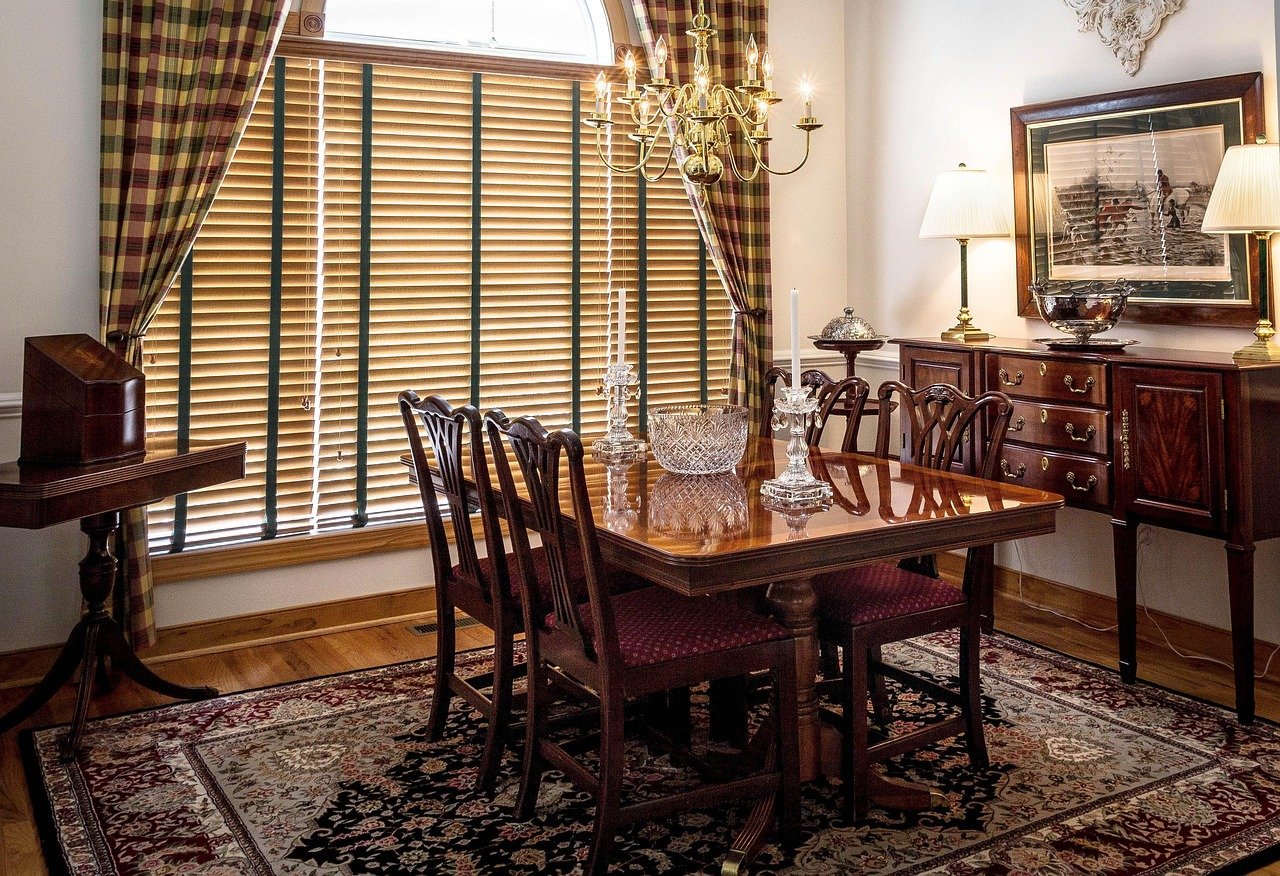
Rebekah Murphy, an interior designer at Murphy & Moore Design, says the shift starts with the walls, not the table. “Dining room trends in 2026 will lean toward richer, more architectural environments. Think paneled walls, plaster finishes, walnut tones, statement millwork, and warm, layered lighting,” she says. Murphy connects the change to a broader retreat from open-concept living: “As open-concept homes shift back toward defined spaces, the dining room becomes a place of ceremony again. Homeowners are craving depth, character, and materials that feel storied. Architectural detailing makes the room feel both grounding and elevated. A setting designed for intentional gatherings.”
For anyone who isn’t ready for a full millwork project, the same warmth can be borrowed in pieces: a wood paneling kit for one accent wall, a plaster-finish paint instead of flat white, or a vintage-style sideboard in real walnut instead of laminate.
2. Statement Lighting That Sets the Mood
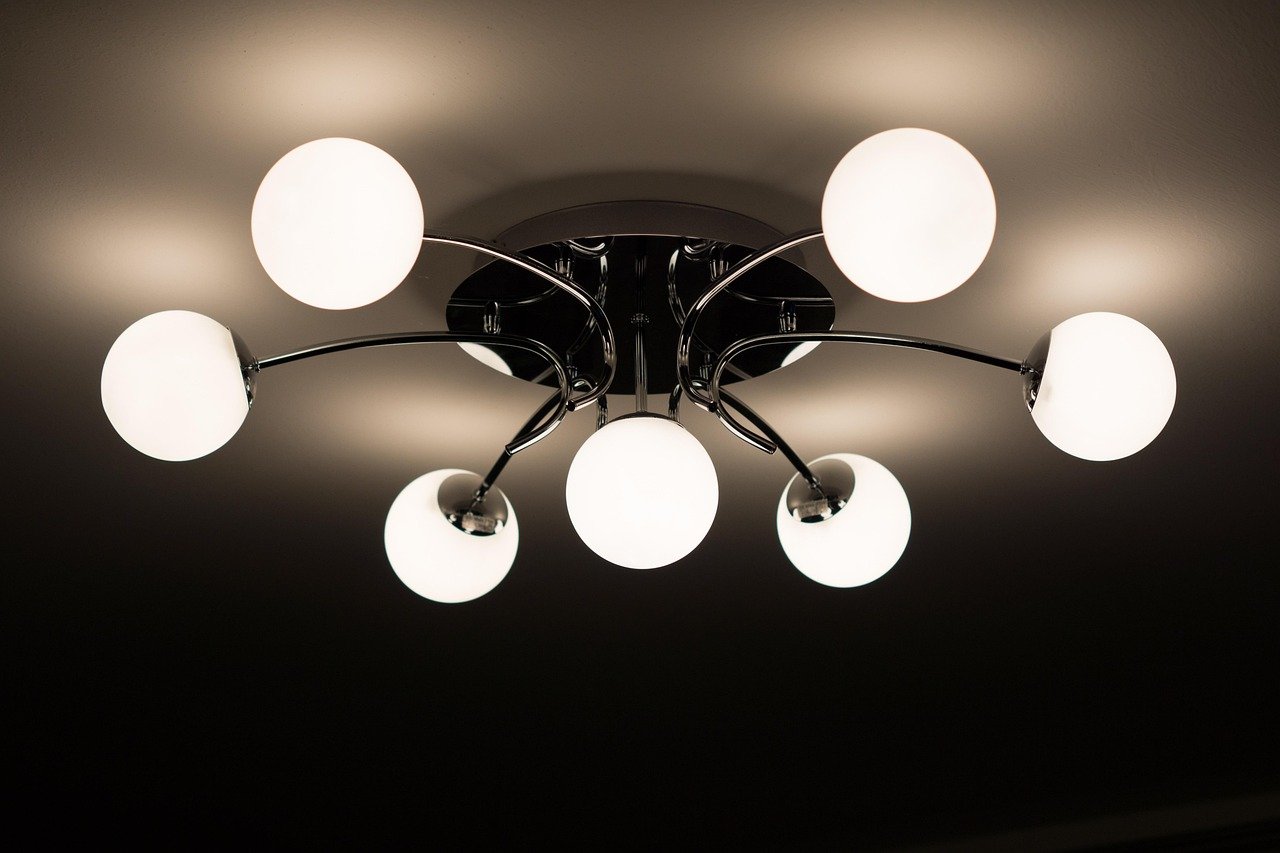
Lighting is doing more of the emotional work than almost anything else in this shift. “Chandeliers in aged brass, linen, alabaster, or sculptural forms, paired with layered lighting from picture lights or sconces, are becoming central to the dining experience,” Murphy says. The effect isn’t just decorative, in her view: “Warm lighting transforms the emotional feel of the room. People want dining environments that feel intimate, flattering, and atmospheric. The chandelier becomes both sculpture and ambiance, setting the tone for how the room is used.”
If a rewiring project isn’t in the budget, a plug-in aged brass chandelier or a pair of battery-powered dining room sconces can deliver a similar layered glow without an electrician.
3. Playful Pattern and Personality
“I think we’ll see a move towards high-octane, playful and joyful dining rooms, full of pattern, texture and depth,” says interior designer Octavia Dickinson. “These spaces lend themselves beautifully to personality – they’re wonderful rooms for hanging unique collections, whether that’s plaster casts, art, or even collections of boats.” Dickinson points out that because the room isn’t used every day, it can afford bolder choices than the rest of the house: “Because dining rooms aren’t used every day, people are keen to make them feel special, with bolder choices such as glossed walls, wallpaper and playful artwork.”
An easy entry point is patterned wallpaper on a single wall, plus a run of picture ledge shelves for displaying the kind of collection Dickinson describes, without committing to a full gallery wall of frames.
4. The Casual Dining Nook
Not everyone is going bigger and more formal. “I’m seeing less of large formal dining rooms and seeing more casual dining areas or breakfast nooks,” says Yena Jung, a designer at By Yena Designs. “I love being able to create a space that is both comfortable, functional, and aesthetically interesting. A smaller space can feel cozier and make the most of a home that has space constraints.”
For a corner conversion, a banquette bench paired with a small round bistro table gets close to the cozy, café feel Jung describes, without the footprint of a full dining set.
5. The Hall-Dining Room
Dickinson also flags a specific layout making a comeback: dining in the hallway. “I also think the hall-dining room, which I’ve always loved, will become much more prevalent again,” she says. “The hall-dining room is a particularly clever solution: it creates a sense of occasion without dedicating a rarely used room solely to dining.” She uses one at home: “I have one in my own house, and it’s always my favourite place to host – lit with candles, a fire going, and the kitchen next door acting as a practical serving space.”
6. Multi-Functional Dining Spaces
Even a dedicated dining room is being asked to do more than one job now. “Built-in seating paired with smaller bistro or café-style tables, particularly in kitchen nooks, is becoming increasingly popular,” say Natasia Smith and Sandy Baisley, co-founders of the design firm Re-Find. “These setups encourage casual, everyday togetherness and allow family members to gather in the same space even if everyone isn’t seated at once.” They see the room’s role expanding further still: “We see the rise of the truly multi-purpose dining room continuing well into 2026. As homes prioritize efficiency and flexibility, especially in smaller footprints, dedicating an entire room solely to formal dining no longer makes sense for many families.” Instead, they say, “dining spaces are being layered with functions: libraries, work-from-home zones, built-in storage, and even creative areas for crafting or homework.”
7. Moody, Saturated Color
Smith and Baisley also point to a color shift tied directly to when the room gets used. “We’re also seeing an uptick in moody dining rooms, which feels like a natural evolution. Because dining rooms are most often used in the evening, they’re the perfect place to experiment with deeper, more saturated colors without the concern of living in a dark space all day.” Lauren Coburn, a designer with NextHaus Alliance and owner of Lauren Coburn LLC, describes the same pull toward drama: “Dining rooms are becoming more atmospheric and intentional. The biggest shift is toward spaces that feel moody, alluring, and designed for lingering rather than formality. Darker, rich hues are setting the tone, drawing from nature to ground the room while adding quiet drama.”
A gallon of deep, saturated paint in a hunter green, aubergine, or ink blue is the lowest-cost way into this look, especially paired with the warmer lighting from trend two.
8. The Round Table Revival
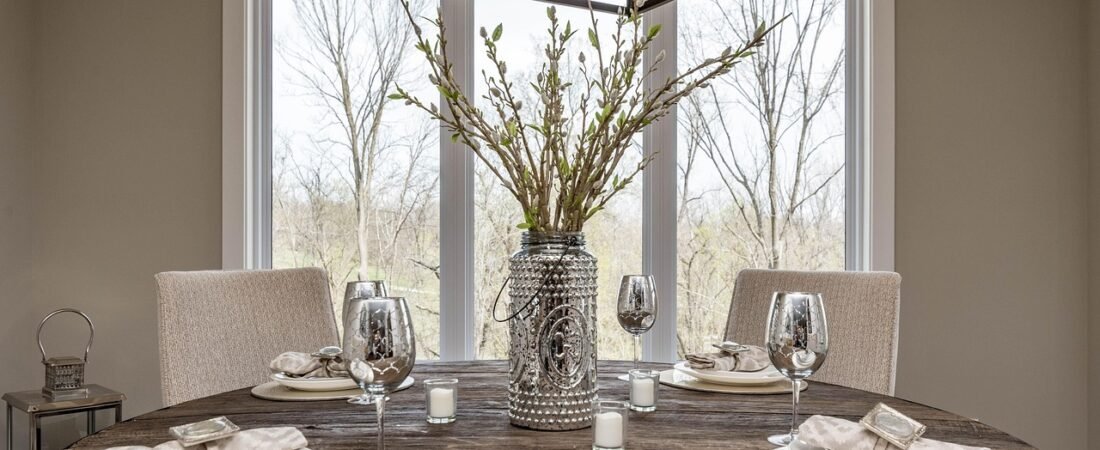
The last trend is about shape, not surface. “One of our favorite trends for 2026 is the return of the round dining table,” says Miranda Cullen, principal designer and owner of Inside Stories. “Visually striking and naturally grounding, it acts as a true centerpiece while subtly reshaping how we gather.” The shape changes the social dynamic of a meal, she adds: “By eliminating edges and hierarchy, round tables invite conversation, equality, and connection – reflecting a broader shift toward homes designed to bring people together rather than set them apart.”
A round dining table paired with a mix of upholstered dining chairs is an easy way to test the idea before committing to a full room redesign.
None of these eight ideas requires knocking down a wall. A plaster finish, a round table, a nook carved out of a hallway — each one is really a decision about how a family wants to gather, not just what the room looks like in a listing photo. If there’s only room in the fall budget for one change, start with lighting: it’s the cheapest fix on this list, and it’s also the one every designer quoted here mentions before anything else.