My next-door neighbor put in a new floodlight this summer, and now half my backyard lights up like a parking lot every time their dog wanders outside after dark. It got me paying closer attention to garden lighting in general, and once I started looking, I couldn’t unsee how many yards are lit the same way: one blinding fixture bolted to the house, throwing a flat white glare across everything and nothing in between. As the days got shorter this month and I started actually using my patio again in the evenings, I went looking for a better way to do it. As an Amazon Associate, I earn from qualifying purchases, and a few of the fixtures I found while researching this piece are ones I’ve since added to my own cart. What I learned is that 2026 is shaping up to be the year garden lighting finally gets the same design attention as patio furniture or landscaping, and the shift away from one giant bright bulb is very real, very deliberate, and pretty easy to copy at home.
The Big Shift: One Bright Light Is Out, Layered Glow Is In
The clearest theme running through this year’s outdoor lighting coverage is that a single harsh source is being replaced by several softer ones working together. “Rather than relying on one bright source to light the whole garden, people are moving towards softer, warmer tones,” Jon Saeed, co-founder of Lighting Legends, told Livingetc. James Kendall, operations director at KES Lighting, echoed the same idea, noting that gardens are increasingly combining functional and decorative lighting to carve out distinct zones rather than flooding the whole space at once. In practice, that means a path light here, a lantern on the table there, a string of bulbs overhead, instead of one spotlight doing all the work. It reads calmer, it’s more flattering to plants and furniture, and it actually makes a yard feel bigger because your eye has several points to travel between instead of one glare to squint at.
Organic, Nature-Inspired Fixtures Are Replacing Sleek Metal
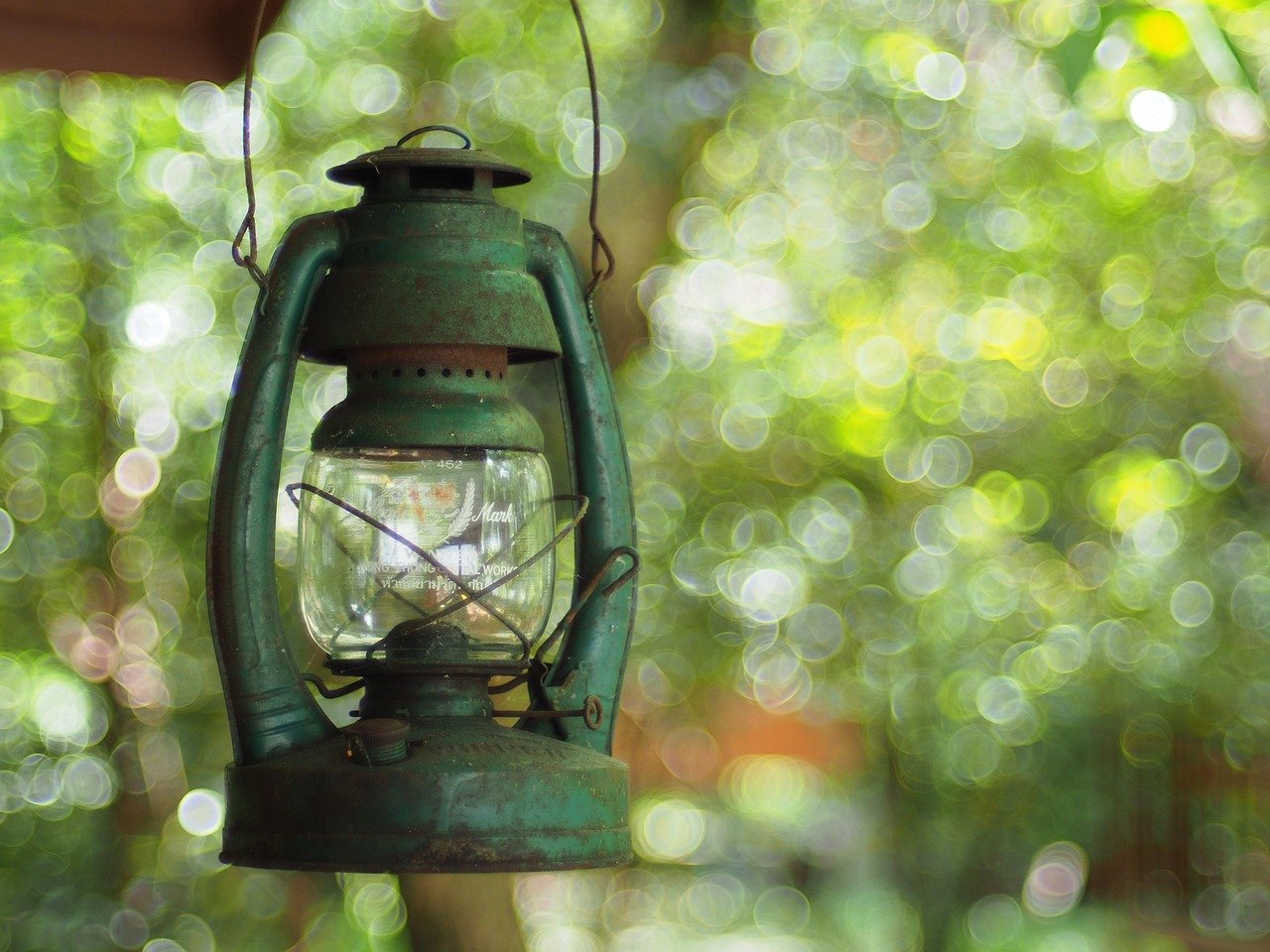
Fixture materials are moving away from the slick stainless-steel-and-glass look that dominated outdoor lighting for the last decade. “Organic lighting is set to be a huge trend in 2026,” Claire Anstey, lighting buyer at Heal’s, told Woman & Home. “Inspired by nature, this lighting type is ideal for outdoor use, blending seamlessly with its surroundings and bringing a calming feel to the space.” She points to rattan and wood finishes and mushroom-like silhouettes that look almost as if they grew there rather than being installed. It’s a small material shift, but it changes how a fixture reads in daylight, too, when most outdoor lights are just sitting there unlit. A woven or wood-toned lantern still looks like part of the garden at noon; a chrome spotlight always looks like hardware.
If you want to try this without rewiring anything, a woven rattan-style solar lantern is the easiest entry point, since it does double duty as daytime decor and evening light. Shop rattan solar garden lanterns on Amazon
Warm Tones Over Harsh White, Full Stop
Color temperature came up in nearly every source I checked, and the consensus is unanimous: warm is winning. Anstey described warm lighting as key to creating “inviting, relaxed spaces” outdoors, favoring soft glows over the cold, bright white that used to read as modern. This is the single cheapest change most people can make, since it’s often just a matter of swapping bulbs rather than buying new fixtures. Cool white (anything above roughly 4000K) tends to flatten green foliage and make skin tones look washed out after dark; warm white (2700–3000K) does the opposite, making leaves look richer and faces look like faces instead of security-camera footage. If your existing fixtures take replaceable bulbs, this is a five-minute fix before you spend money on anything new.
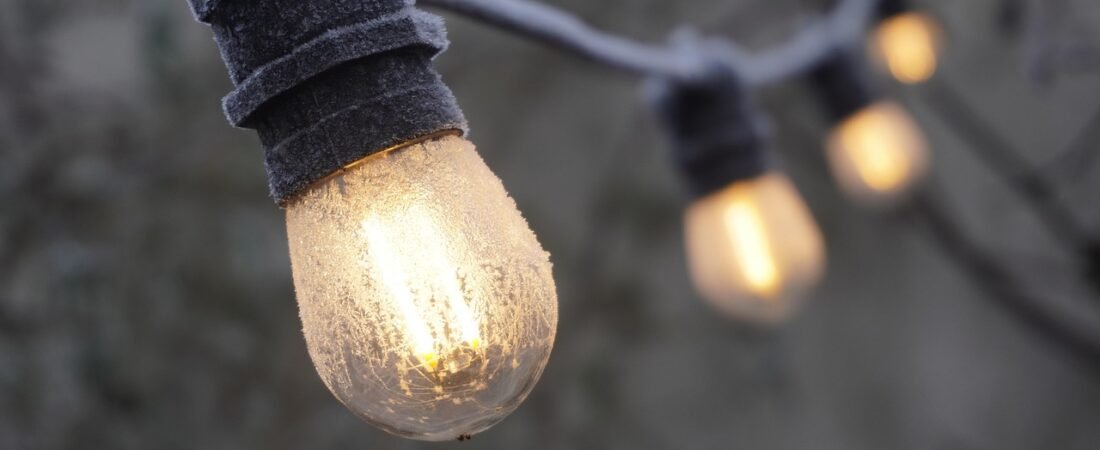
For string lighting specifically, look for bulbs labeled “warm white” or a Kelvin rating in the 2700K range rather than plain “white,” which usually skews cooler and bluer than you’d expect outdoors. Shop warm white outdoor string lights on Amazon
Biophilic Lighting: Letting the Garden Itself Do the Work
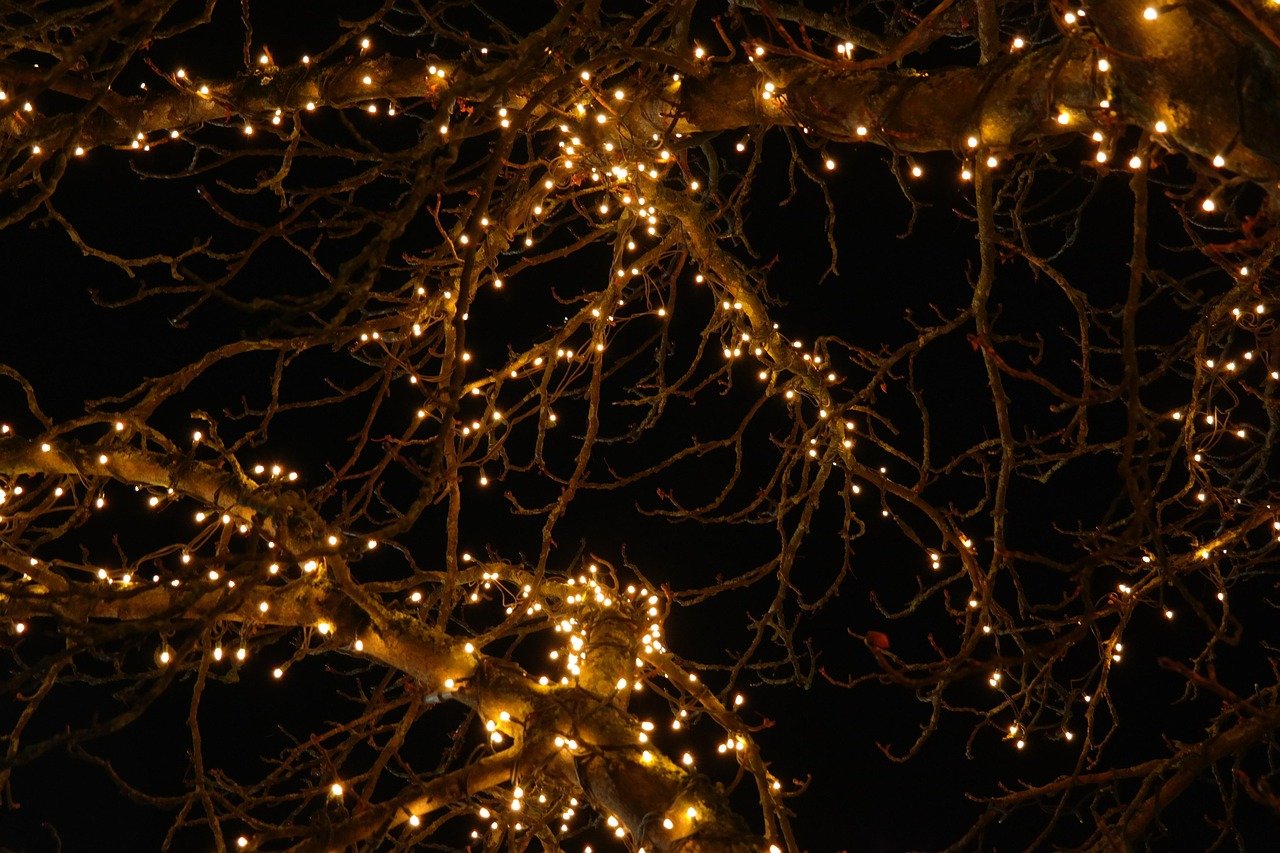
A related trend Anstey flagged to both Livingetc and Woman & Home is what she calls biophilic lighting, which she described as “one of the defining garden trends,” built around “a more considered, nature-led approach to outdoor illumination.” In practice this looks like delicate lights woven directly through tree branches, uplighting that highlights an interesting trunk or shrub rather than the whole bed, and fixtures placed to follow the plants that are already there instead of imposing a grid of evenly spaced path lights. It’s less about buying more lighting and more about being selective, picking two or three features in the yard, a mature tree, a striking ornamental grass, a bench, and letting light draw your eye to those instead of everywhere at once.
Wall Lights Keep Climbing, and the Search Data Backs It Up
Woman & Home reported that UK searches for garden wall lights jumped 42% in a single month this year, and named it one of the trends “showing no sign of fading” after several years of steady growth. The appeal is straightforward: a wall-mounted fixture throws a soft wash down a fence or exterior wall without eating up planting space or tripping anyone on a path. They’re also one of the few outdoor lighting styles that genuinely double as security and ambiance, since a lit wall makes a side yard or entryway feel intentional rather than like an afterthought nobody bothered to light. If you’re planning any fall exterior touch-ups, a pair of wall sconces flanking a back door or garage is a small project that reads as a much bigger renovation.
Fuss-Free Fixtures for Renters and Anyone Who Doesn’t Want to Rewire
Not everyone can run new electrical lines to a patio, and this year’s trend reporting accounts for that directly. Danielle Le Vaillant of Cox and Cox pointed to a rise in simple, versatile LED solutions, portable table lamps and freestanding floor lights that need no wiring and can move around as needed, which matters a lot if you rent or just don’t want a permanent installation. Solar and battery-powered fixtures have also gotten noticeably better in the last couple of years, holding a charge longer and casting a less blue-tinted light than the early solar garden lights that gave the category a bad reputation. Layered lighting, as Julian Page, head of design at BHS, described it to Woman & Home, combining path lights, festoon strings, and lanterns for atmospheric depth, is entirely achievable with cordless, battery, and solar pieces you can set up in an afternoon.
A set of stake-mounted solar path lights is the fastest way to add a second layer of light along a walkway without hiring anyone or touching a breaker box. Shop solar pathway lights on Amazon
Why Fall Is Actually the Right Time to Do This
It’s tempting to think of garden lighting as a summer project, something you handle in May before the long evenings start. But fall is arguably the better window. The days are shrinking fast enough here in September that you’re now eating dinner, walking the dog, and sitting on the patio in the dark far more often than you were in July, which means lighting gets used more, not less, once summer ends. Trees have also thinned out enough that you can actually see where branches and structure sit, which makes placing string lights or uplights in the right spot much easier than trying to guess through full summer foliage. And with fewer bugs drawn to warm-toned bulbs than to the cool white ones, a fall evening outside under the right lighting is honestly more pleasant than a July one.
The Bottom Line
None of this requires ripping out an existing setup or hiring an electrician. The through-line across every source I found, Livingetc, Woman & Home, and the designers they quoted, is the same: fewer harsh single sources, more warm and layered ones, and materials that look like they belong in a garden rather than a hardware aisle. My plan for my own patio, prompted partly by that neighbor’s floodlight, is to start small this fall: swap a couple of bulbs to warm white, add one wood-toned lantern near the table, and see how much of a difference just those two changes make before I touch anything else.