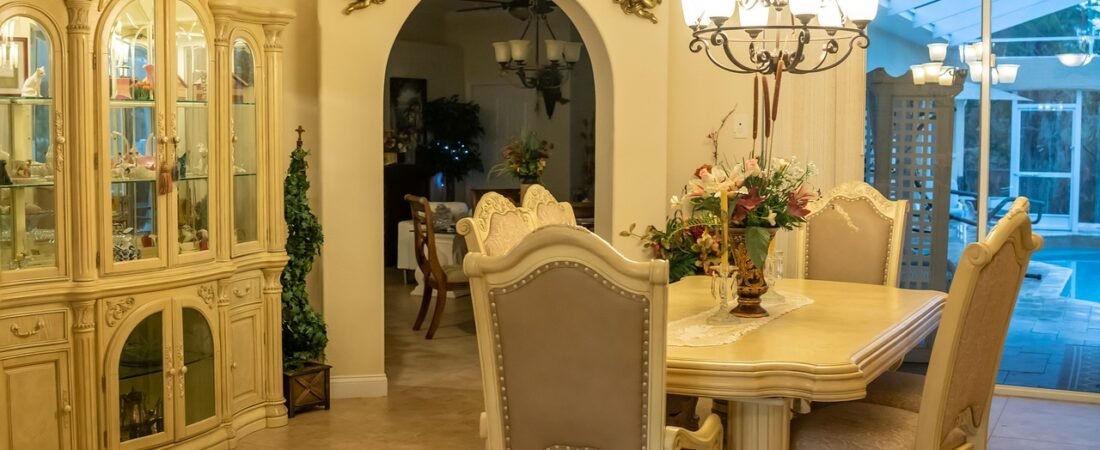
For the past six years, my dining table has lived a double life. On weeknights it’s where my laptop, a stack of mail, and a half-folded pile of laundry all compete for space. On the rare occasion someone comes over for dinner, I spend twenty minutes clearing it off and pretending that’s not what it looks like every other night. I built my last two homes around open floor plans, because that’s what every renovation show told me to want: one big room where the kitchen bleeds into the living room bleeds into “dining,” which was really just a table shoved against a half-wall. It wasn’t until I sat down for dinner at a friend’s house last month, in an actual dining room with a door that closed and a light dimmed low over the table, that I realized how much I’d been missing. It turns out I wasn’t the only one feeling it. (As an Amazon Associate, Every Corner earns from qualifying purchases made through the Amazon links below, at no extra cost to you.)
Designers Say the Open-Concept Era Is Losing Its Grip
For nearly two decades, the open floor plan was the gold standard of American home design. Knock down the walls, merge the kitchen and living room, let one space do the work of three. But designers are now watching clients ask for the opposite: a dedicated room, with a door, built for one purpose.
“People assumed an open concept would be better for hosting, but a dedicated dining room creates a better experience,” says Ethan Greenfeld of Ethan Charles Design. The logic makes sense once you sit with it. A separate dining room contains the mess of cooking, muffles the noise of a football game playing in the next room, and gives a dinner party its own sense of occasion instead of blending into everything else happening in the house.
It’s a reversal that would have seemed unthinkable a decade ago, when real estate listings bragged about “open concept living” as a selling point and formal dining rooms were the first thing gutted in a renovation. Now those same rooms are being rebuilt.
The Room Isn’t Just for Holidays Anymore
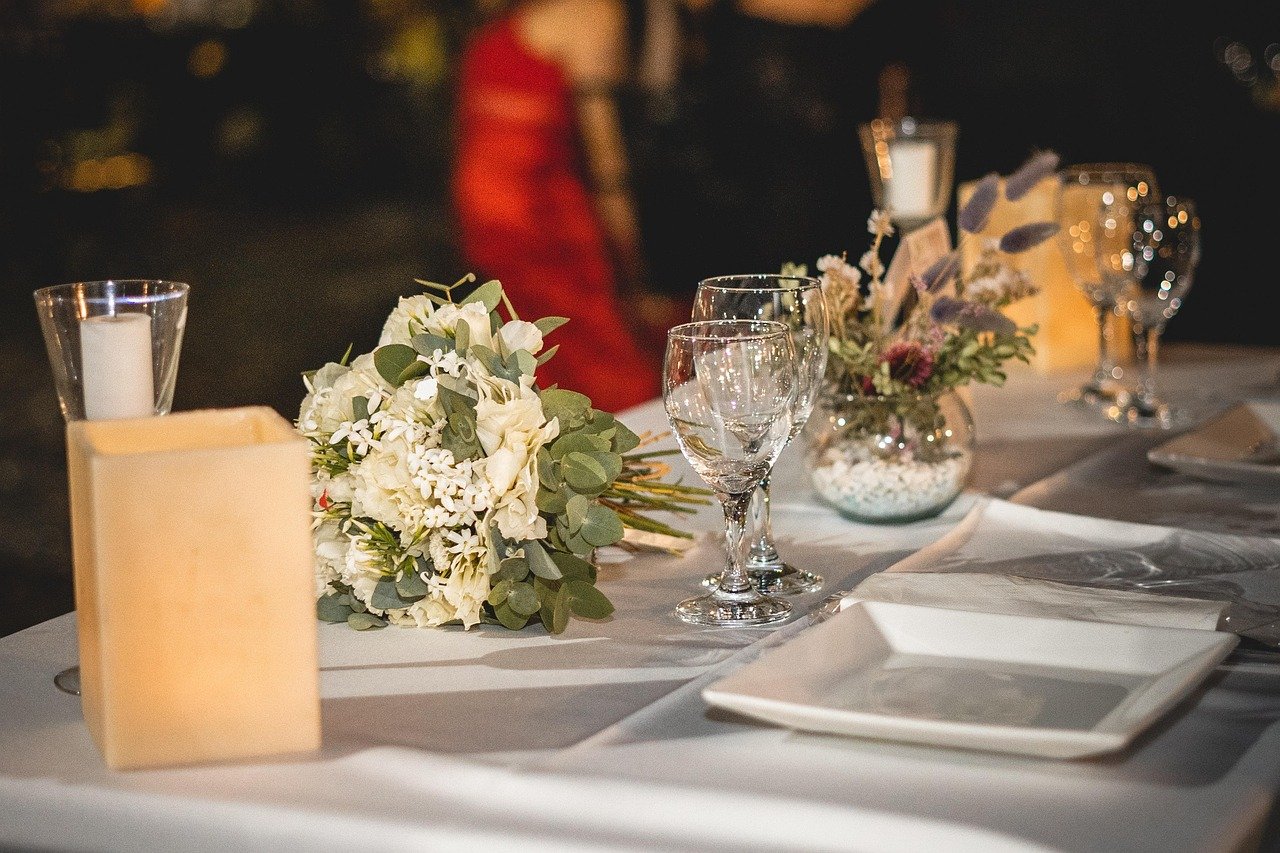
The biggest shift isn’t that formal dining rooms are coming back exactly as they were in the 1990s, reserved for Thanksgiving and never touched otherwise. It’s that people are using them all the time.
“Luxury today is about living well in your space, using your best plates, enjoying your patio,” says Lucas Goldbach, partner and design director at En Masse Architecture and Design. That idea, using the good stuff on a random Tuesday instead of saving it for a special occasion that may never come, is at the center of the trend. The dining room stops being a museum piece and becomes a room you actually live in.
Los Angeles-based interior designer Olga Doykhen sees the same thing with her clients. Where the last decade prized minimalism and multipurpose furniture that could disappear when not in use, “today it’s more about designing a space meant for connection,” she says. A table that’s always set, chairs that invite you to linger, a room that exists for the sole purpose of sitting down together.
Moody, Warm Lighting Sets the Whole Tone
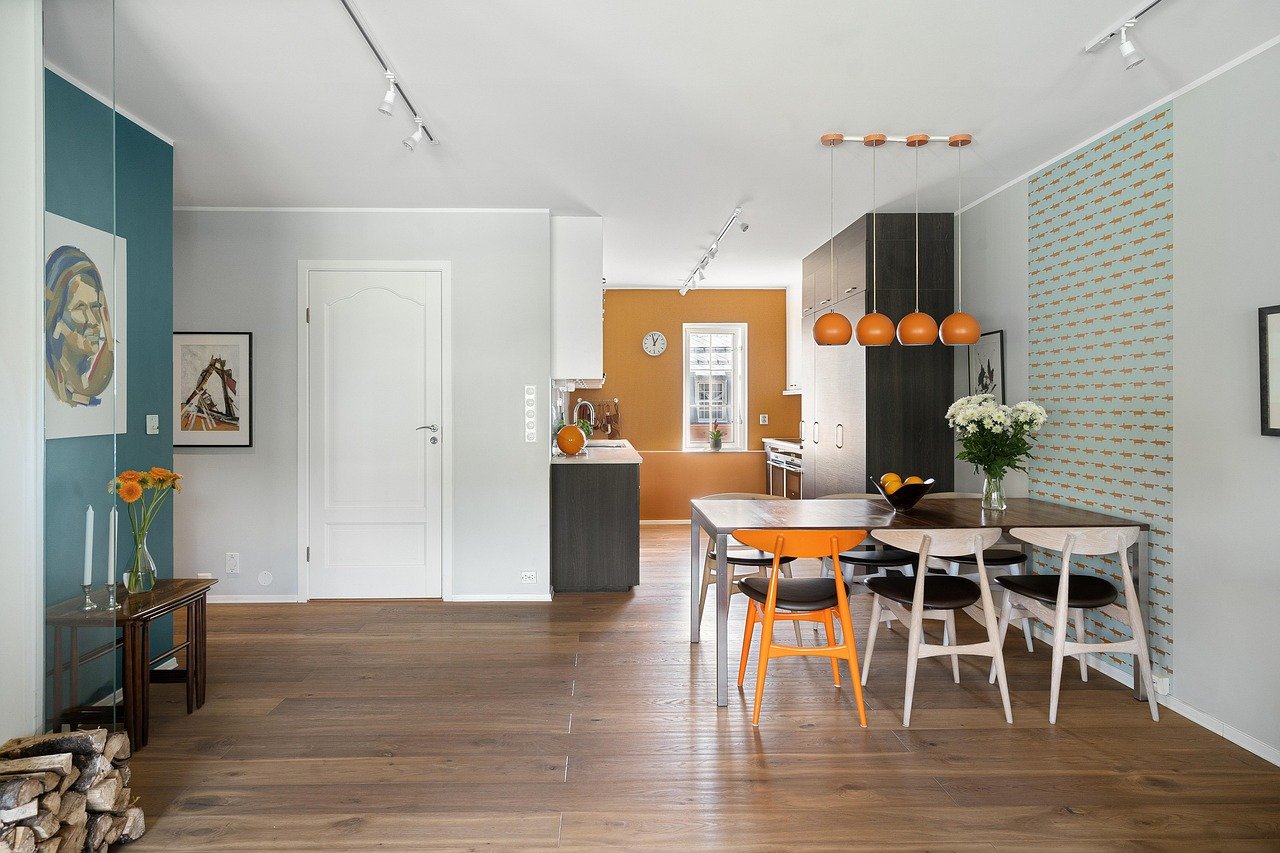
Ask any designer working on dining rooms this year what changed the most, and lighting comes up almost immediately. The bright, evenly lit rooms of the last decade are giving way to something dimmer and more intentional.
“No bright lights, just moody, warm-temperature lighting that creates ambiance,” says Yazmin Gutierrez, principal designer at Sentinium Design. McKenzie Milhousen, owner of By George Collective, has noticed clients gravitating toward darker, richer palettes for exactly this reason, because they feel “enveloping and intimate for special dinners,” even when the dinner in question is just a Tuesday-night pasta.
If you want the effect without rewiring anything, start with the fixture directly over the table. A single overhead light on a dimmer, set warm and low, does more to change the feel of a room than almost any other single decision. A statement pendant with an amber or fabric shade softens the light further and gives the room a focal point, which matters in a space that’s meant to be looked at, not just walked through.
Shop dimmable pendant lights for dining rooms on Amazon
Bringing the Look Home, Even Without a Spare Room
Not everyone has a walled-off dining room sitting empty, waiting to be reclaimed. If your dining table lives inside an open-concept kitchen or living area, the good news is that most of this trend comes down to layering and intention rather than architecture.
Start with texture on the table itself. A linen tablecloth or table runner instantly reads as more considered than bare wood, and it’s the fastest way to make an everyday table feel set for something, even when “something” is just dinner. Pair it with cloth napkins instead of paper, and the whole table shifts from functional to intentional.
Shop linen tablecloths and table runners on Amazon
A sideboard or buffet cabinet does a lot of quiet work here too. It gives you a place to stage serving dishes, store table linens, and display the things you’d otherwise hide, while visually anchoring the dining area as its own zone rather than an extension of the kitchen counter. Even in a fully open floor plan, a piece of case furniture like this signals “this is the dining room” the same way a wall used to.
Shop sideboards and buffet cabinets on Amazon
Small Apartment? You Can Still Get the Feeling
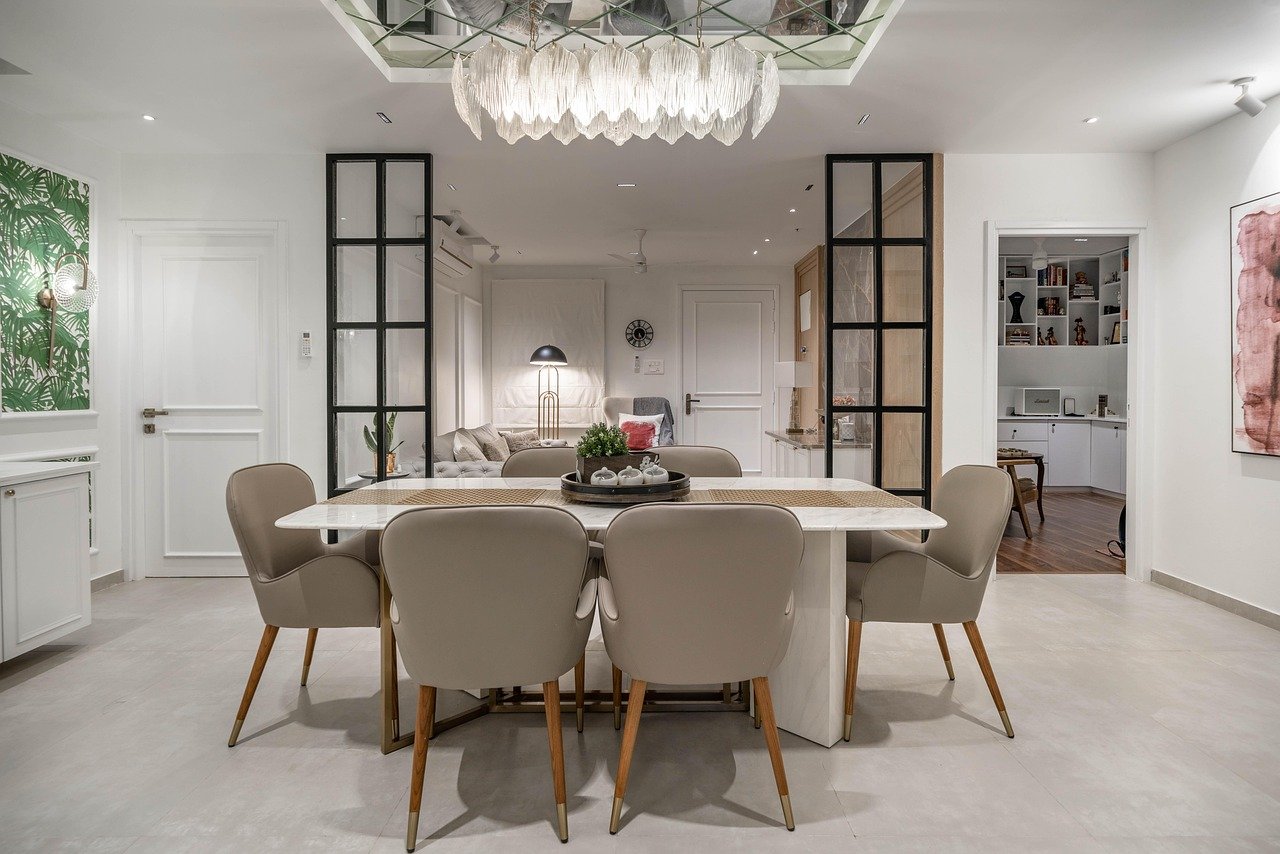
If you’re renting a studio or a one-bedroom with no separate dining space, this trend can still shape how you eat at home, just at a smaller scale. An extendable table that seats two comfortably but opens up to four or six is the single most useful piece of furniture for anyone short on square footage, because it lets you keep the room’s everyday footprint small while still hosting when it matters.
Shop space-saving extendable dining tables on Amazon
Beyond furniture, the same principles from full-size dining rooms scale down easily: dim the lights, add a runner, light a candle, put your phone away. The room doesn’t need walls to feel dedicated. It needs a moment where the table becomes the only thing happening.
The Bigger Idea Behind the Trend
What’s really driving this shift isn’t nostalgia for formal china cabinets and rooms nobody was allowed to sit in as a kid. It’s a reaction to years of multipurpose everything, rooms that had to be a home office and a gym and a dining area all at once, and never quite felt like any of them. Designers keep describing the same thing in different words: a room built for one purpose, done well, beats a room built for five purposes, done adequately.
I still haven’t torn down a wall to build myself a dedicated dining room, and I’m not about to. But I did move my laptop charger off the table for good, put a runner down, and started lighting a candle even on ordinary nights. It’s a small change, and it’s made the fifteen minutes I spend eating dinner feel like they belong to something, instead of just being the gap between one task and the next. That’s the actual trend underneath the trend: not a room, but a habit of treating an ordinary meal like it deserves a setting.