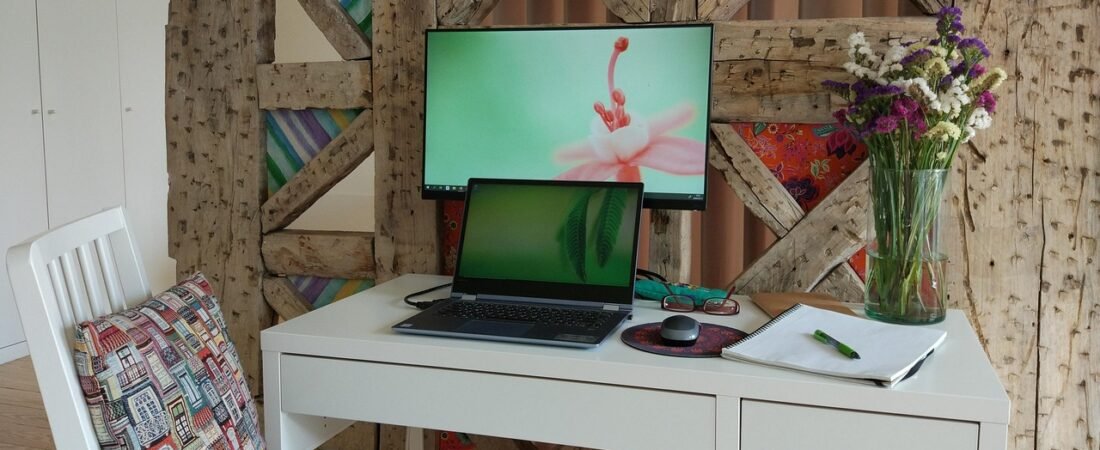
Two years ago, my home office was a permanent fixture: a second bedroom with a dedicated desk, a filing cabinet, and a chair I never had to share. This fall, that changed. My company followed the wave of employers — PNC Financial, Home Depot, Ubisoft, and Fidelity among them — that spent 2026 tightening return-to-office mandates, some to five days a week. I’m now in the office three days a week, and the “spare room office” became a guest room with a desk crammed into the corner on the days I work from home. I’m not alone. As companies roll back the fully remote arrangement that home offices were built around, a lot of us are re-organizing not for permanence, but for speed: systems that pack up, hide away, and don’t demand a whole room. As an Amazon Associate, I earn from qualifying purchases, and every product below is one I either use in my own downsized setup or added to my cart while researching this shift.
Why home office organization looks different in 2026
According to return-to-office tracking from workplace platform Archie, 2026 has brought a steady drumbeat of new in-office mandates — Barclays moving to three and four days a week starting in October, Ernst & Young requiring three days for US tax staff since July, and TikTok’s parent company ByteDance requiring five. The home office isn’t disappearing, but for millions of hybrid workers it’s shrinking to a part-time job: a desk that needs to function fully two or three days a week and then get out of the way. That’s a fundamentally different organizing problem than the “permanent home office” advice most of us grew up on, and it’s why the products gaining traction this year lean modular, foldable, and fast to reset rather than built-in.
1. A rolling cart that turns any corner into an office
The biggest shift professional organizers point to for 2026 is flexibility over fixed furniture. Meg DeLong and Ea Fuqua, co-owners of The Tidy Home Nashville, describe this year’s defining trend as “rolling carts, modular cubes, and pieces that can shift,” adding that they favor “stackable drawers, adjustable shelving, and storage that can grow with your family.” A slim rolling cart does exactly that for a shared-space office: keyboard, notebook, charger, and files live on it during work hours, then it rolls into a closet the second your laptop closes, freeing the room for its other job as a guest room, playroom, or dining nook.
Shop rolling storage carts on Amazon
2. A cable box that doesn’t look like a cable box
Cord clutter is the number-one thing that makes a part-time desk look messy the moment you sit down. Homes & Gardens style editor Julia Demer recently reviewed a woven cable management box, noting that “often, cable management boxes still read as just that: cable management boxes,” but calling this one “among the more convincing iterations” for channeling “the light-and-breezy basket” aesthetic of a well-appointed room rather than a tech accessory. The idea has stuck: a woven or rattan-style box that hides your power strip and cord tangle in something that looks like decor, not equipment, so the desk reads as finished even mid-week when you’re not using it.
Shop woven cable management boxes on Amazon
3. Magnetic cable clips for height-adjustable desks
If your home desk is a standing model, cord chaos gets worse every time you raise or lower it. Writing for The Gadgeteer in May 2026, reviewer Rei Padla noted that “magnets, modular silicone, anodized arches, and VHB-mounted tracks have turned the under-desk into a design surface,” pointing out that “the moment your desk goes up and down ten times a day, a snagged cable becomes a real problem, not a cosmetic one.” A set of magnetic cable clips routes cords along the underside of the desk so they travel with it instead of catching, snapping off in seconds if you need to detach the whole setup to make room for other uses.
Shop magnetic cable clips on Amazon
4. A collapsible file box that hides paperwork between sessions
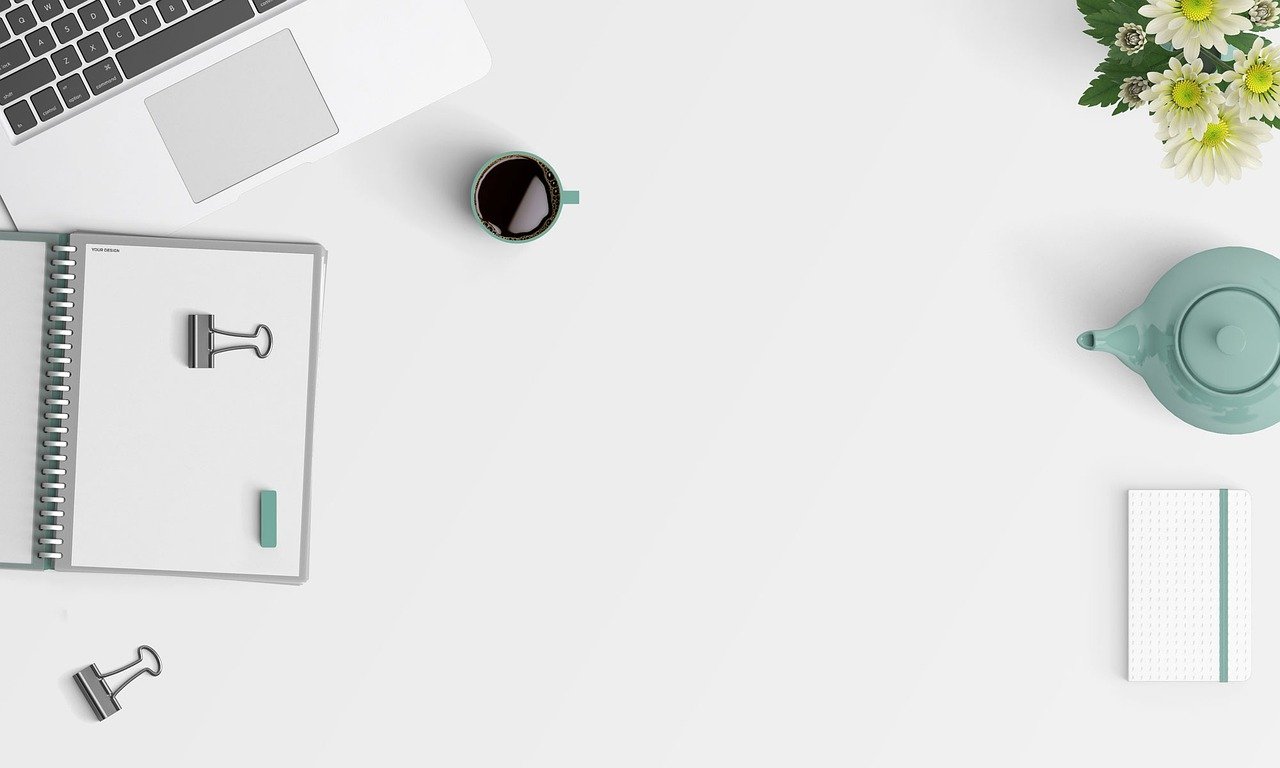
Filing cabinets assume a room dedicated to work. A part-time desk doesn’t have room for one, but bills, tax documents, and kids’ school forms still need a home. A collapsible accordion file box with a lid solves this: it holds letter-size folders upright, snaps flat-sided shut so it doesn’t tip over on a shelf, and can be lifted off the desk entirely and stashed in a closet when the space needs to become something else for the evening. It’s the filing cabinet equivalent of the rolling cart — full function, zero footprint when you’re done.
Shop collapsible file boxes on Amazon
5. Stackable drawer organizers for the desk drawer that does everything
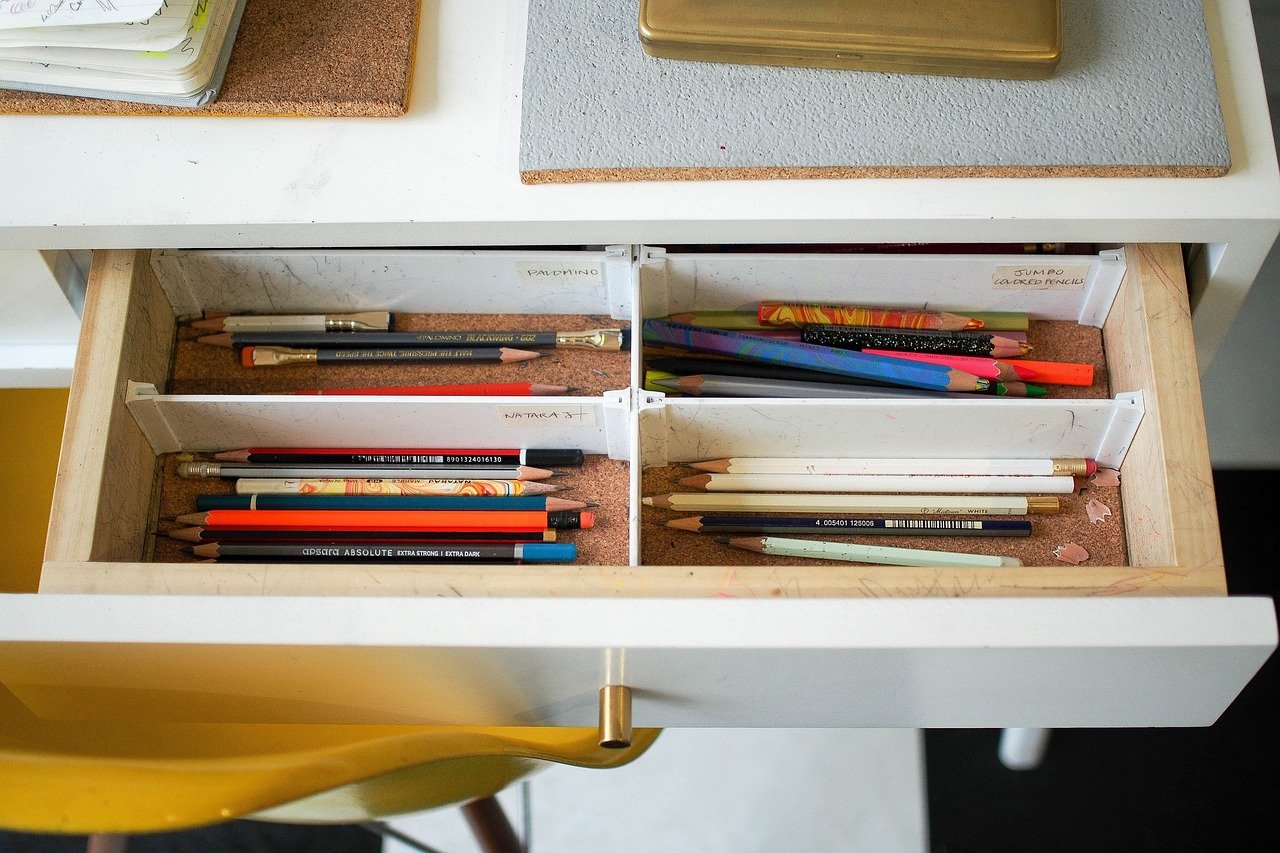
When a desk has to double as a family catch-all, the single drawer underneath it becomes the whole office supply closet — pens, sticky notes, a stapler, chargers, and inevitably a stray hair tie or two. Stackable modular drawer trays, the same “grow with your family” flexibility DeLong and Fuqua describe, let you build the drawer’s layout in sections rather than fighting one bulky insert that doesn’t fit. Add a section for cables, swap in a deeper one for notebooks, and reconfigure as your setup changes — useful when the same drawer has to work for a laptop three days a week and a toddler’s crayons the other four.
Shop stackable drawer organizers on Amazon
6. A wall-mounted command board for the walk-out-the-door items
With more of us splitting the week between home and an office, the morning scramble for a badge, laptop bag, or headset has become its own organizing problem. A shallow wall-mounted organizer near the door — hooks for the bag, a slot for the badge, a tray for a phone and keys — keeps your “leaving for the office” items separate from your “working from home” setup, so neither pile gets buried in the other. It also means the desk itself stays clear of the things you only need for your commute days, keeping the WFH days’ surface genuinely usable.
Shop wall-mounted organizers on Amazon
7. A monitor stand that hides what it lifts
A monitor riser earns its keep twice in a shrinking home office: it gets your screen to eye level, and a version with a drawer or shelf underneath gives you a place to stash a keyboard, notepad, or charging cables the moment you’re done for the day, instead of leaving them scattered across a surface someone else needs. In a shared room, that dual purpose matters more than in a dedicated office — every piece of furniture has to justify holding onto floor or desk space, and one that lifts your screen and swallows your clutter in the same footprint does double duty.

Shop monitor stands with storage on Amazon
The bigger shift: organizing for a job that moves
None of this is about making a smaller office look impressive — it’s about making it disappear on command. As more companies follow Barclays, PNC, and Home Depot back toward in-person schedules, the home office is becoming something closer to a pop-up setup than a permanent room, and the products worth buying are the ones that respect that. My own desk now packs down in about four minutes flat: cart rolled into the closet, cables clipped to the underside where they travel with the desk, files snapped shut in their box. It’s not the office I had two years ago, and for a hybrid schedule that keeps shifting with the next corporate memo, that’s exactly the point.