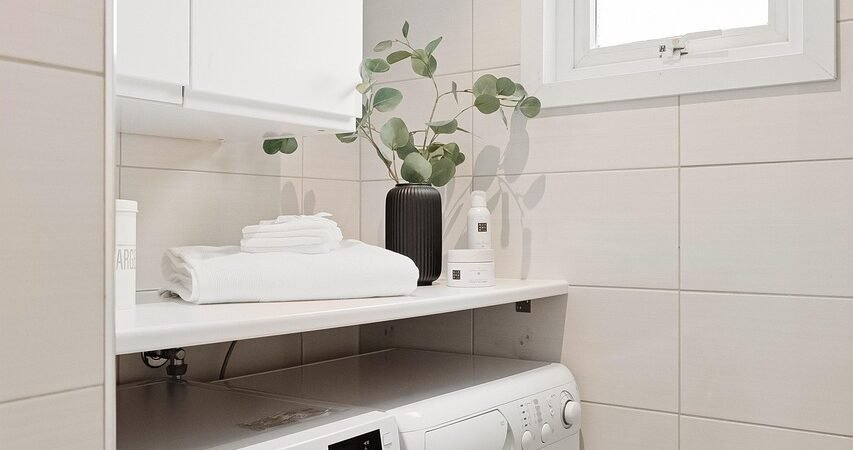
Walk into a newly built or renovated home this year, and the laundry room might be the last place you’d expect a home tour to linger — yet it’s exactly where some of 2026’s smartest organizing ideas are showing up, and, as an Amazon Associate, I earn from qualifying purchases on a few of the products linked below to help you copy the look. For most of the last two decades, the laundry room got the least design attention in the house: a windowless box with a wire shelf and, if you were lucky, a folding surface. That’s changing fast. Designers and builders are now treating the laundry zone the way they treat kitchens and closets — as a space that needs a real system, not just two machines and a basket. The result is a genuinely new organizing trend taking hold in 2026: laundry rooms that hide their appliances behind cabinetry and merge with mudrooms, pantries, or home offices into one hardworking household command center. Here’s what’s actually driving it, and how to borrow the idea without a renovation.
The 2026 Trend: From Utility Closet to “Invisible” Room
Design site TheCoolist, reporting on the shift in late September 2026, calls it a move toward “Aesthetic Functionality” — the idea that utility spaces deserve the same intentional design as a living room or kitchen. Clinical white walls and exposed wire shelving are giving way to warm, lived-in palettes: creamy mushroom tones, soft putty, sandy beige, and warm flax, often paired with heritage greens and terracotta accents. The bigger organizational shift, though, is architectural: floor-to-ceiling cabinetry with pocket or bi-fold doors is being used to fully conceal washers and dryers, sometimes tucking them into a hallway, kitchen run, or closet rather than giving them their own room at all.
That concealment isn’t just cosmetic. When a cabinet door has to close over the machines, there’s no more leaving a bottle of detergent or a stray sock on top of the dryer — everything needs an assigned spot inside the cabinetry, which is quietly forcing better organization by design rather than willpower.
Why the Machines Are Disappearing Behind Cabinets
Kristin Farnan, founder of Ridge Residential Design, told Frazier Homes that “stackable units with integrated storage above maximize efficiency and elevate style,” pointing to a broader move toward built-in cabinetry that treats the washer and dryer as furniture to be hidden rather than a fixture to be shown off. Farnan also described the finish palette driving the look as “calming, spa-inspired finishes like soft neutrals, natural stone surfaces, and hidden hardware” — a description that sounds more like a primary bathroom than a utility room, which is exactly the point.
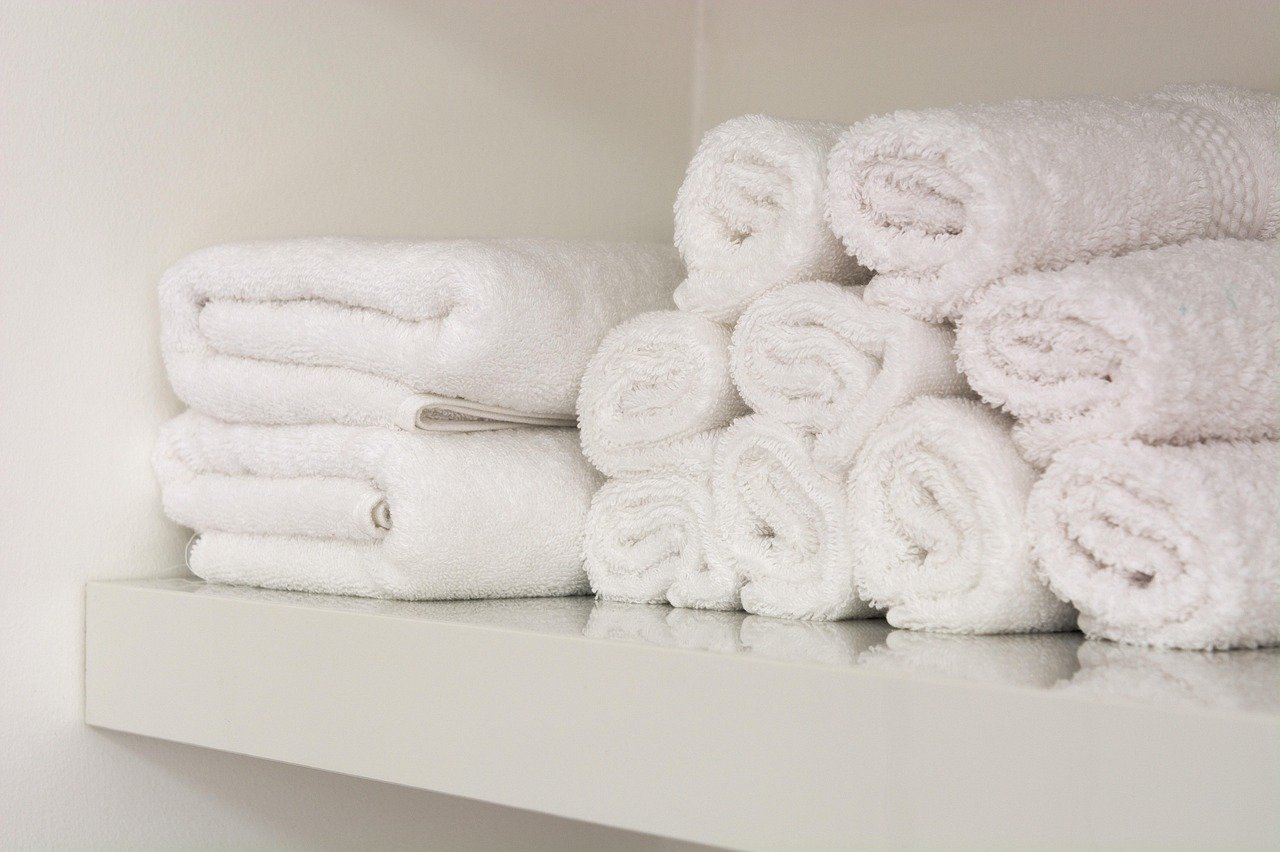
For organizing purposes, the practical upshot is a cabinet system built in layers: a concealed appliance bay at the base, a shelf or rod above it for hanging items straight out of the dryer, and closed upper cabinets for supplies that used to live on an open shelf. It’s a structure any household can borrow, appliance closet or not.
The Command Center Takeover
The second half of the trend is about merging rooms rather than hiding them. Builders are increasingly combining the laundry zone with the mudroom, pantry, or a small home office, creating what Farnan calls a home that is “maximizing every square foot with multifunctional solutions.” She points to “multi-purpose counters that serve folding, ironing, and even home office tasks” as the feature clients are asking for most. Libby Baker Speight, founder of Baker Design Co., is seeing the opposite scale move alongside it — smaller, sometimes multiple micro laundry rooms tucked near bedrooms or kitchens — and flags a detail most homeowners overlook: recessed dryer vents, because, as she puts it, “those 4 to 6 inches can eat up your floor space quickly” in a room that’s already tight.
Organizers Meg DeLong and Ea Fuqua of The Tidy Home Nashville describe the same instinct showing up across the house in 2026, not just in laundry rooms: “The trend of 2026 is flexibility: rolling carts, modular cubes, and pieces that can shift from office to playroom,” DeLong told AOL. In a combined laundry-mudroom-office space, that flexibility is what keeps four functions from colliding — a rolling cart for supplies can become a folding-day overflow bin, then get wheeled out of the way for a video call at the same counter an hour later.
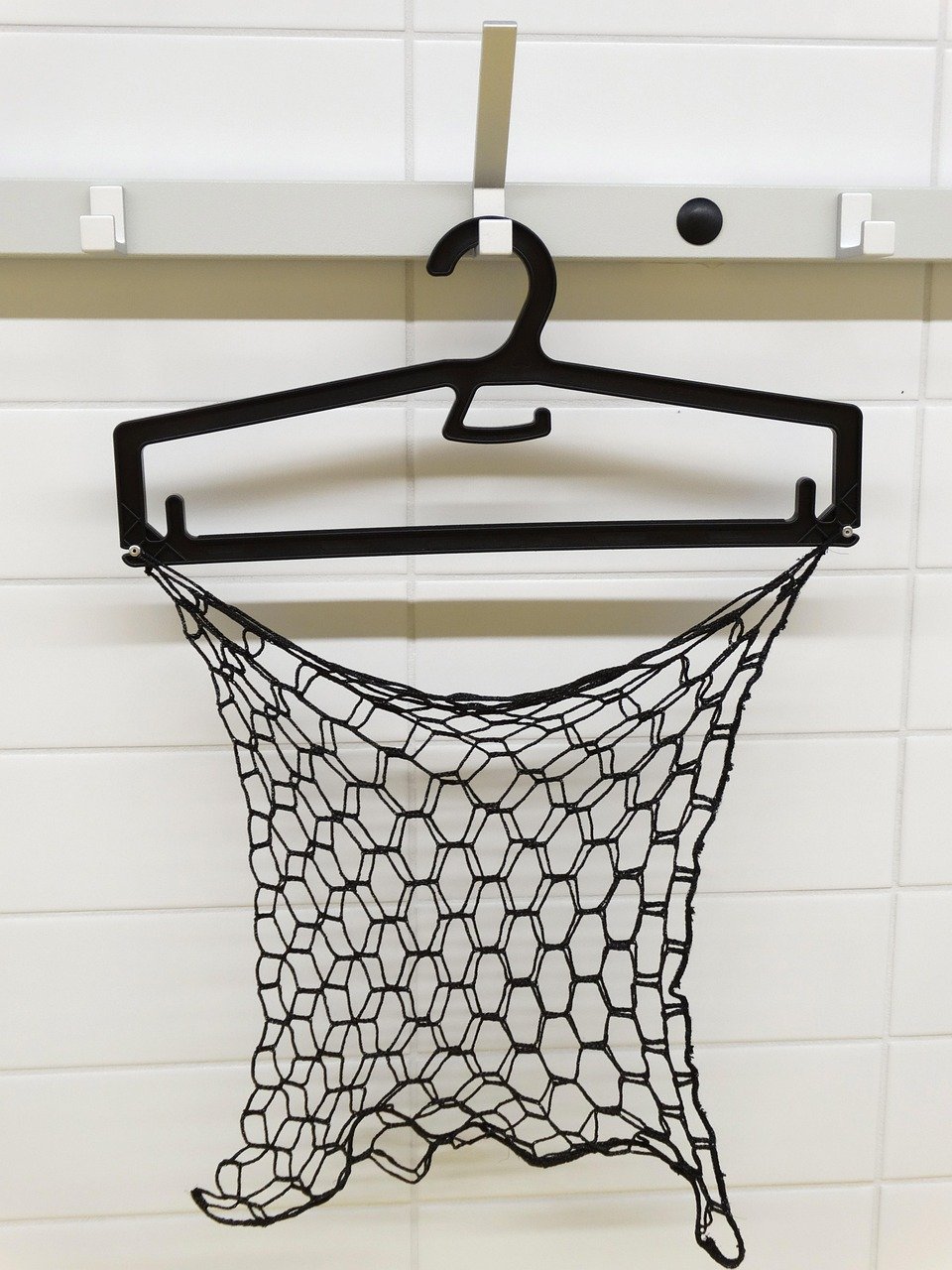
In practice, a well-organized version of this hybrid room splits into distinct zones rather than one blended mess: a sorting zone near the hamper, a folding zone on the counter, a hanging zone on a rod or hooks, a drop zone for bags, shoes, and mail if it’s doubling as a mudroom, and a closed-door supply zone for detergent, stain treatments, and cleaning products. Keeping those zones visually distinct — even with something as simple as labeled bins — is what makes a multi-purpose room function instead of just accumulate clutter from every room it’s absorbed.
Storage Upgrades That Make the Look Work
You don’t need a full renovation to borrow the organizing logic behind this trend. These are the categories of products doing the heavy lifting in the rooms described above:
Concealed stackable storage cabinets: A tall cabinet built around a stacked washer and dryer, with doors that close over the whole appliance run, is the anchor of the “invisible” look. Freestanding versions exist for renters and homeowners alike. Browse stackable laundry storage cabinets on Amazon.
Pull-out hamper cabinets: Instead of a hamper sitting in the open, a pull-out sorting cabinet keeps darks, lights, and delicates separated behind a closed door — the same concealment principle applied to the sorting zone. See pull-out laundry hamper cabinets on Amazon.
Wall-mounted, fold-down drying racks: A rack that folds flat against the wall when not in use keeps a hybrid laundry-office room from feeling like a utility closet the rest of the time. Find wall-mounted drying racks on Amazon.
Rolling laundry sorting carts: This is the flexible, modular piece DeLong and Fuqua describe — a cart with multiple bins that can handle sorting on wash day and roll out of sight the rest of the week. Shop rolling laundry sorting carts on Amazon.
Over-the-machine shelving: A slim floating shelf above the washer and dryer adds closed or basket-based storage without eating into a tight footprint, which matters most in the micro laundry rooms Speight is seeing more of. Look at over-the-machine storage shelves on Amazon.
How to Borrow the Trend Without a Renovation
Renters and anyone not ready for new cabinetry can still apply the same two principles — concealment and zoning — with far less investment:
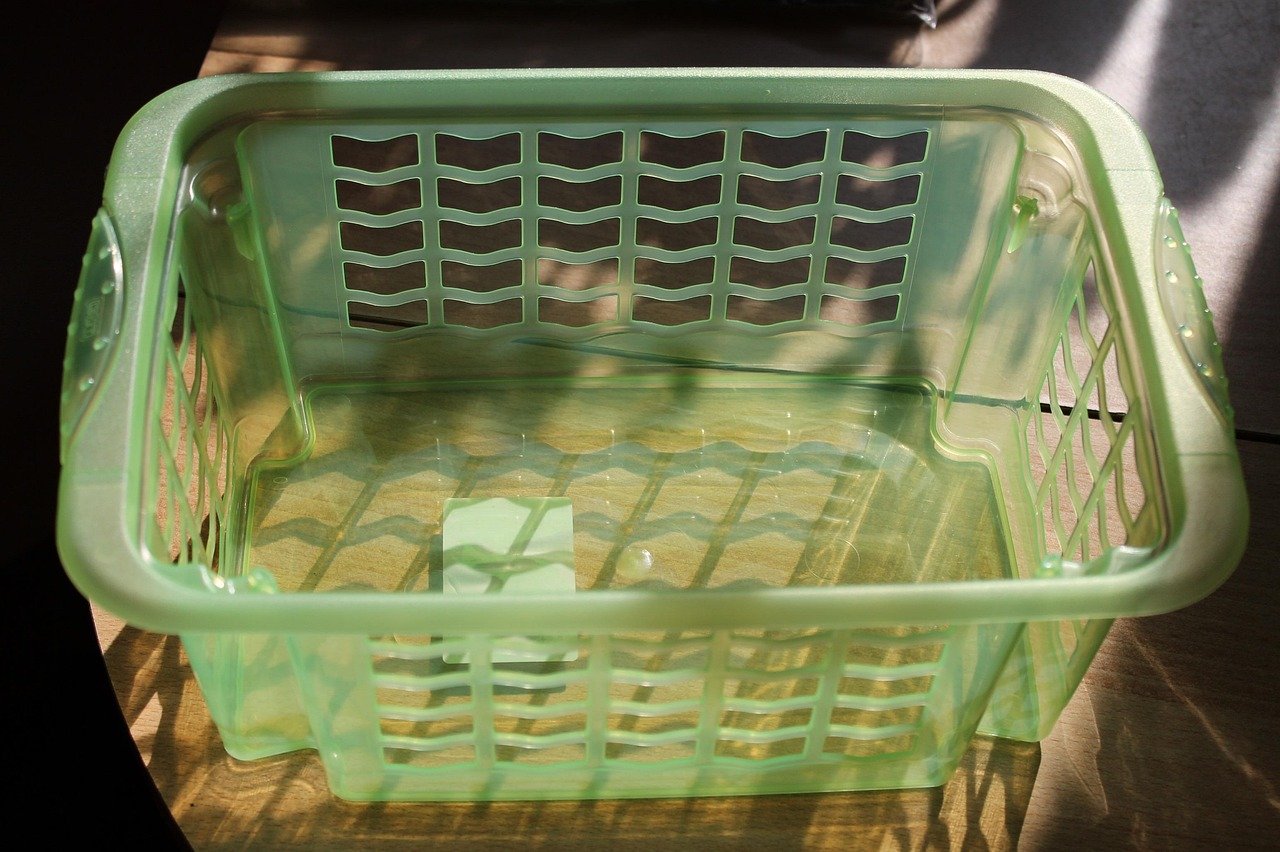
Hang a fabric curtain or tension-rod skirt in front of an open laundry closet so the machines disappear behind a single panel that matches the wall color, rather than staying in view all day. Add one floating shelf above the machines strictly for closed baskets, not loose bottles, so the concealment principle holds even without a full cabinet. Match hamper and bin labels to the wall or cabinet color instead of using bright primary colors, which is a large part of why the “invisible” rooms in showcase photos read as calm rather than cluttered. And if the laundry area doubles as a drop zone for bags or shoes, add hooks and a single small tray at entry height so that function gets its own six inches of wall instead of spreading across the folding counter.
The Takeaway
What’s notable about the 2026 laundry trend isn’t the color palette — palettes shift every year — it’s that laundry rooms are finally being designed with the same zoned, systems-first thinking that’s already reshaped pantries and closets. Hiding the appliances forces real storage decisions instead of visual clutter, and merging the room with a mudroom or office only works when each function gets its own defined zone rather than sharing one countertop by default. Start with whichever half of the trend your space actually needs — a closed cabinet if the machines are the eyesore, or a labeled zone system if the room has quietly become the house’s dumping ground for four different jobs at once.