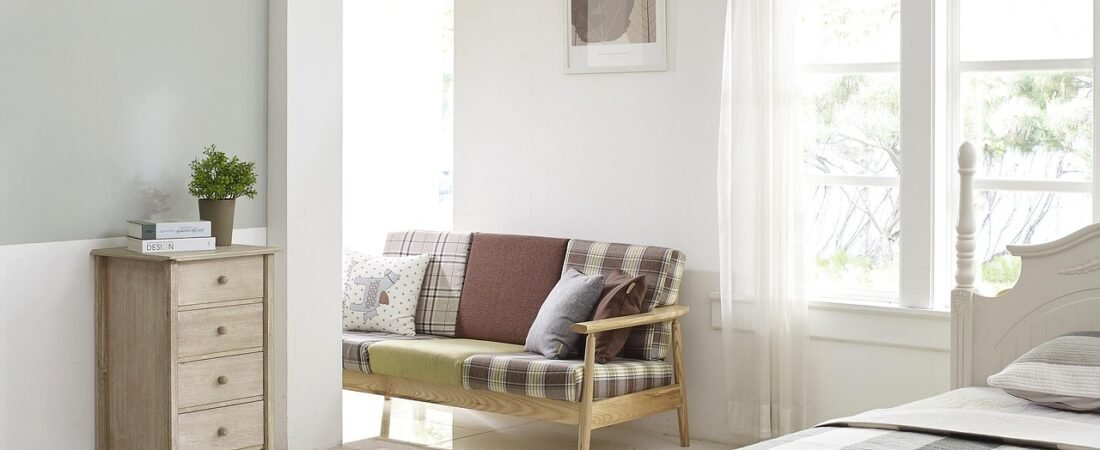
Last month I spent an afternoon going through drawers in my grandmother’s dining room sideboard, the kind nobody in her generation ever fully emptied. Inside were hand-embroidered napkins with tiny cross-stitched birds, a chipped stoneware pitcher glazed the color of buttermilk, and a stack of gingham placemats she’d sewn herself sometime in the 1970s. None of it looked dated. Sitting there on the floor surrounded by linens, I realized it looked exactly like what design editors have started calling “Modern Folklore,” the Americana-meets-cottagecore movement that Apartment Therapy named one of its biggest home trends for 2026. It isn’t about buying new things that look old on purpose. It’s about the handmade, the slightly imperfect, and the pieces that carry a story. As an Amazon Associate, I earn from qualifying purchases, and a few of the picks below are the closest modern equivalents I could find to what was sitting in that sideboard: nothing mass-produced, nothing overly polished, just the textures and small crafts that made a room feel personal long before “folklore” had a hashtag.
What “Modern Folklore” Actually Means
Apartment Therapy style editor Emma Dangel introduced the term in a July 2026 piece describing it as the natural next step after years of cottagecore, coastal cowgirl, and Nancy Meyers-inspired interiors: a heritage-leaning, Americana-flavored aesthetic built on natural textures, neutral bases, and soft pastels punctuated by red accents, all in service of rooms that look collected rather than shopped in one trip. It draws heavily from an older, broader category that design writers call simply “folk decor.” As designer Kit Kemp described it to Homes & Gardens, “Folk style is an eclectic approach to interior design that draws from traditional crafts, cultural heritage, and storytelling,” built by “mixing furniture, combining modern pieces with vintage or antique finds.” That’s the throughline of Modern Folklore too: a home that reads as gathered over years, not staged in a weekend.
Braided and Chunky Jute Rugs Underfoot
Of everything in the Modern Folklore playbook, the rug is doing the most quiet work. A machine-made shag or a flat sisal can feel sterile under farmhouse furniture, but a chunky, braided jute rug has enough texture and irregularity to read as handmade even when it isn’t, and it grounds a room the way a hard floor never quite does. Design coverage of the trend keeps circling back to natural fiber flooring as the base layer everything else gets built on: it’s neutral enough to sit under gingham, florals, and painted furniture without fighting any of them, and it ages well instead of showing wear like synthetic weaves do. If your living room currently has a flat-woven rug with a crisp geometric print, this is the easiest single swap toward the look.
Shop braided jute area rugs on Amazon
Gingham, Without Looking Country-Kitschy
Gingham is the pattern most people associate with picnic blankets or a 1990s kitchen, which is exactly why designers have been so deliberate about how they’re using it now. Homes & Gardens design expert Sophie Salata told the outlet that folk style “can come through not just in the furniture pieces themselves, but also how you layer texture, pattern, and print” — and gingham works precisely because it layers so easily. A pair of gingham throw pillows against a solid linen sofa, or a gingham table runner under plain stoneware, reads as intentional rather than themed. The trick designers keep pointing to is restraint: one or two gingham pieces per room, not a full gingham “moment,” is what keeps it feeling current instead of costume-y.
Shop gingham throw pillow covers on Amazon
Folk-Art Painted Furniture as a Statement Piece
One of the clearest signatures of Modern Folklore is furniture that’s been hand-painted with a folk art motif, usually a floral border along the edge of a dresser, cabinet, or headboard, rather than a solid color. This is the piece that does the most visual storytelling in a room, and it’s also the most forgiving DIY entry point into the trend, since you don’t need an antique to start with. A secondhand nightstand or an unfinished wood dresser works just as well as a thrifted heirloom once it’s been primed and hand-painted. Kit Kemp’s advice to mix “modern pieces with vintage or antique finds” applies directly here: pairing one hand-painted piece with otherwise plain, contemporary furniture keeps the room from tipping into full costume decor.
Shop folk-art stencil kits for furniture on Amazon
Hand-Embroidered and Cross-Stitched Textiles
Embroidery is the detail that separates a Modern Folklore room from a generic “cottagecore” one, because it signals a craft process rather than just a soft color palette. Small embroidered accents, a floral motif on a set of napkins, a cross-stitched panel framed as wall art, or hand-stitched detailing along a pillow edge, carry the same handmade quality as the vintage textiles that inspired the trend, without requiring you to actually find (or learn) needlepoint yourself. Framed embroidery hoops are an especially easy way to add the look to a blank wall in an entryway or bathroom, where a full gallery wall would feel like too much commitment.
Shop embroidered linen napkins on Amazon
Woven Baskets Replace Plastic Bins
Storage is where a lot of otherwise well-decorated rooms fall apart, because the bins doing the actual organizing rarely match anything else in the space. Modern Folklore treats storage as decor: woven rattan and seagrass baskets stacked by the fireplace for blankets, a lidded basket swapped in for a laundry hamper, or a shallow tray basket on an entry table for mail and keys. Design coverage of the trend specifically calls out woven baskets and natural-material storage as a core element, not an afterthought, because they carry the same “made by hand” texture as the rugs and painted furniture without adding another pattern to balance. It’s also one of the more budget-friendly swaps on this list, since a basket typically costs less than the plastic bin it’s replacing once you factor in style.
Shop woven seagrass storage baskets on Amazon

Stoneware and Handmade-Look Ceramics
Nothing about Modern Folklore looks right in a matched, showroom dinnerware set. The trend leans toward stoneware with visible glaze variation, slightly uneven rims, and earthy colorways (buttermilk, sage, rust) that look like they came from a small studio potter even when they’re produced at scale. Swapping a uniform white ceramic set for a mix of stoneware mugs, pitchers, and serving bowls is a low-risk way to bring the aesthetic into the kitchen specifically, and it’s a category where mixing pieces from different sets actually looks more correct than matching them, since real collected-over-time tableware was never bought all at once.
Shop handmade-style stoneware mugs on Amazon
Quilts and Throws Layered Like Heirlooms
The last piece of the puzzle is texture at the end of the bed or the back of the sofa. Patchwork and quilted throws do double duty in the Modern Folklore look: they add the folk-craft pattern the trend is built on, and they read as something that’s been handed down rather than bought last week, especially when layered rather than used as a single flat topper. A quilt folded at the foot of the bed, paired with a plainer knit throw draped over an armchair, gives a room the “collected over years” feeling that’s at the center of the whole trend, without needing a single new piece of furniture.
Shop patchwork quilt throws on Amazon
The Bottom Line
What makes Modern Folklore different from the wave of cottagecore and grandmillennial trends before it isn’t the color palette or even the gingham, it’s the emphasis on visible craft: a hand-painted edge, an uneven glaze, a stitch you can feel with your thumb. None of the seven pieces above require gutting a room or spending a renovation budget. Start with one, a rug, a basket, a single hand-painted dresser, and let the rest of the space stay as it is. That restraint is exactly what keeps the look feeling like your grandmother’s actual sideboard instead of a theme park version of it.