
As an Amazon Associate, I earn from qualifying purchases.
My aunt’s sunroom used to be the room nobody sat in. It had the best light in the house and the least amount of use — too hot in July, too drafty in November, furnished with whatever didn’t fit anywhere else. Two years ago she finally redid it, and now it’s where the whole family ends up, coffee in hand, before anyone even makes it to the kitchen. Talking to designers this year, I kept hearing versions of the same story: the sunroom is having a real moment, and it’s not about glass walls for the sake of glass walls anymore. It’s about making a light-filled room actually livable in January, not just June. Here are seven changes designers say are turning sunrooms from a pretty but pointless add-on into one of the most-used rooms in the house.
1. Insulation and Real Windows, Not Just Glass Panels
The single biggest shift designers point to is structural, not decorative: sunrooms are finally being built and renovated to work in every season, not just the warm ones. Virginia-based designer Janie Molster says the technology behind the glass has caught up with the fantasy. “With better insulation and modern windows that temper UV rays, sunrooms are no longer relegated to warm weather use only,” she notes. That means homeowners are swapping single-pane, poorly sealed additions for properly insulated framing and low-E glass that blocks heat gain without blocking the view — turning a three-month room into a twelve-month one.
If a full window replacement isn’t in the budget this year, even a layer of insulating cellular shades or a ceiling fan with a reverse winter setting can stretch the usable season of an existing sunroom. Homeowners planning a rebuild are also asking contractors for tempered, UV-filtering glass up front rather than adding tinting later.
Shop insulating cellular shades on Amazon
2. Indoor-Outdoor Fabrics on Every Cushion
Because a sunroom sits at the border of indoors and out, the fabric on the furniture takes more sun, more humidity, and more foot traffic than anything in the living room. Designer Kathleen Hay has noticed the shift in what clients are asking for across the board, not just on the porch. “So many people are requesting indoor-outdoor fabrics for their interiors,” she says — performance textiles that used to be reserved for patio furniture are now showing up on sunroom sofas, chairs, and even drapery, because they hold color and resist fading in direct light without looking like plastic.
The upgrade here is simple and doesn’t require a renovation: swap dated cushions or drapery for performance fabric in a linen-look weave, and the room instantly reads more current while becoming genuinely easier to live with — spills, pet hair, and sun fade all stop being a daily worry.
Shop indoor-outdoor pillow covers on Amazon
3. Airy, Unlined Window Treatments
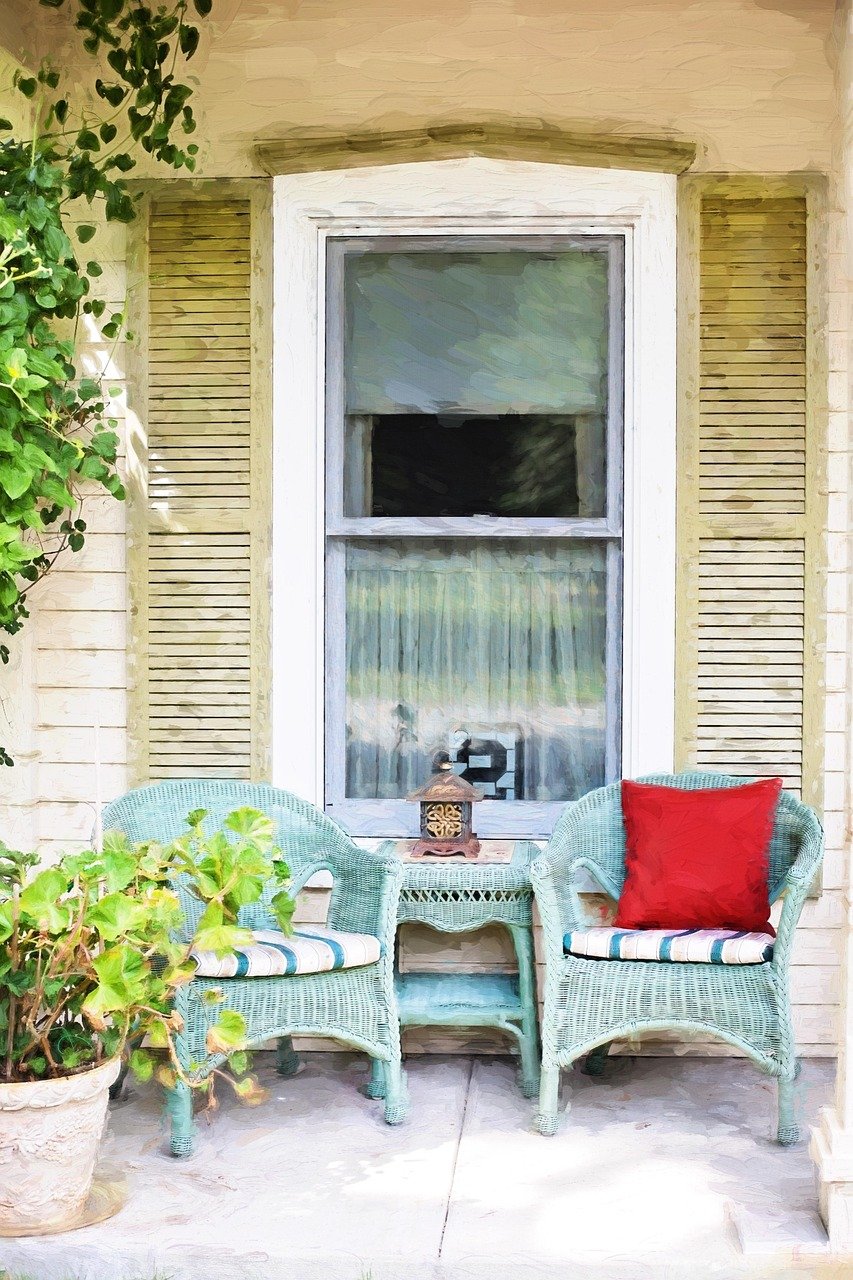
A sunroom’s whole reason for existing is the light, so designers are steering clients away from heavy drapery that blocks it. Molster is direct about the rule she follows in her own projects: “In sunrooms, you should always keep window treatments feeling airy and never select anything with a heavy lining.” The goal is softness and privacy at the edges without dimming the room during the day — sheer linen panels, unlined cotton, or simple woven-wood shades that filter rather than block.
This is one of the easiest and cheapest updates on this list. Swapping out blackout-lined curtains for a lightweight, unlined linen panel changes the entire feel of the room in an afternoon, and it keeps the space doing its one job: letting in light.
4. Lighting That Works After Sunset
The trend designers say gets overlooked most often is what happens once the sun goes down. A room built entirely around daylight can go flat and cave-like at night if lighting is an afterthought. “Most people don’t even think about lighting in a sunroom until nighttime,” Molster points out — which is exactly why she plans it early, layering in wall sconces, picture lights, and low table lamps rather than relying on a single overhead fixture.
The fix is a layered approach: a dimmable floor lamp in the seating area, a couple of wall sconces at eye level, and warm-toned bulbs instead of stark white ones. Together they turn the sunroom from a daytime-only space into somewhere you’d actually want to sit for an evening glass of wine.
Shop dimmable wall sconces on Amazon
5. Rooms Built Around Where the Light Actually Falls
Not every sunroom should be treated the same, and designers are increasingly thinking about orientation before they think about furniture. Los Angeles-based designer Timothy Whealon puts the appeal simply: “People gravitate toward rooms with light. I think of sunrooms as special spaces that are a bit more whimsical and fun than other rooms in the house.” But he’s also careful about how much of that light a room actually needs. “If this space faced south there would be way too much light and heat, but northern light is beautiful for a conservatory,” he says — a reminder that a south-facing sunroom calls for more shading and cooler finishes, while a north-facing one can lean into soft, even light with less intervention.
Before choosing furniture or fabric, it’s worth simply tracking how the light moves through the room over a full day. A room that bakes at 2pm needs different treatment than one that stays gently lit all afternoon, and designers say matching the plan to the actual light — rather than a generic sunroom template — is what makes the space feel intentional instead of accidental.
6. A Vintage-Meets-New Wicker Aesthetic
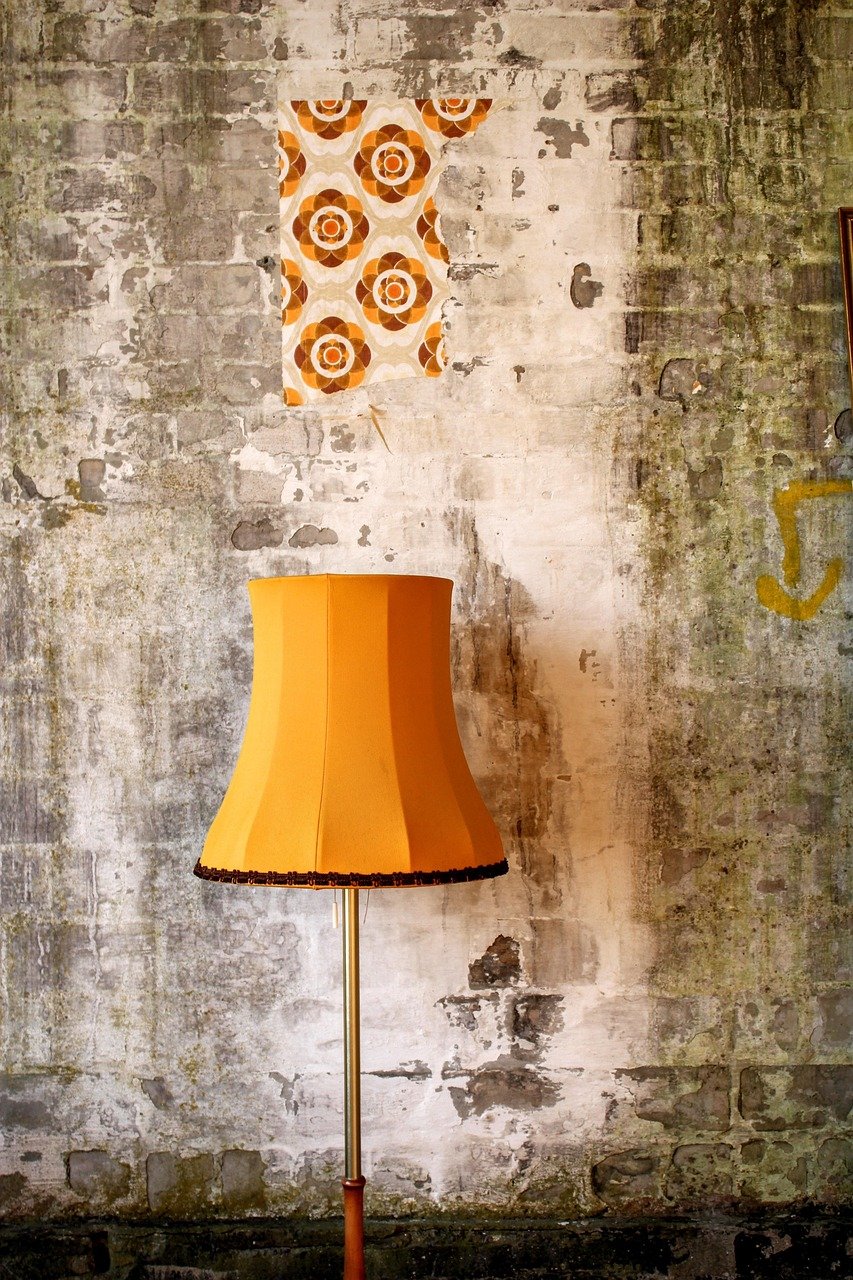
Wicker and rattan are back, but not in their dated, all-matching-set form. Kathleen Hay describes the look she’s been building into new construction projects: “This is a new construction, but it has a vintage aesthetic with the wicker furniture,” she says of one recent sunroom — pairing new architecture with furniture that looks collected over time rather than bought as a set. For Hay, the appeal of the room goes beyond style. “A sunroom offers communion with nature. You can experience light and air while still feeling protected,” she says, which is part of why natural materials like wicker, rattan, and cane feel so at home there.
Mixing one or two vintage-style wicker pieces — a chair, a side table — with newer upholstered seating gives the room that lived-in, collected-over-years look designers are chasing, without requiring an entire matching furniture set.
Shop rattan and wicker accent chairs on Amazon
7. Small Sunrooms Doing More Than One Job
Not every home has room for a sprawling glass addition, and designers are increasingly proving that a small sunroom can carry just as much weight as a large one. Houston-based designer Marie Flanigan sums up the appeal of a modest, well-planned sunroom: “This space provides the best of both worlds,” she says, describing how a compact sunroom can bridge indoor comfort and outdoor connection without a major footprint. She’s equally clear that size isn’t the point. “Small sunrooms can still have a big impact on how your home functions,” Flanigan notes — treating even a narrow bump-out as a genuine extra room, whether that’s a reading nook, a morning coffee spot, or overflow seating for guests, rather than leftover space.
A small sunroom benefits from doing one thing well rather than trying to be a living room, office, and dining nook all at once. Designers suggest picking the single use that matters most to the household — often simply a two-chair reading spot — and furnishing for that, rather than overcrowding a small footprint with too much furniture.

Making the Most of the Light You Already Have
What stands out across all seven of these updates is that almost none of them require tearing the room down and starting over. A sunroom doesn’t need a full renovation to earn its keep — it needs better fabric, better window treatments, a lighting plan that accounts for nighttime, and furniture chosen for the specific way the sun moves through that particular room. Whether it’s a full-glass addition or a modest bump-out off the kitchen, the sunroom’s job has always been the same: let the outside in without making anyone sit in a drafty box to enjoy it. Get that balance right, and it stops being the prettiest unused room in the house and starts being the one everyone fights over.