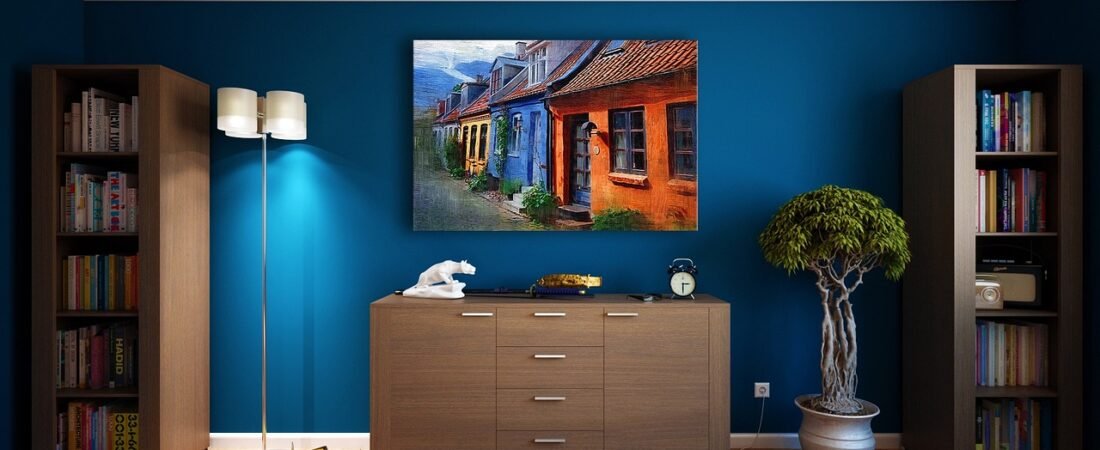
Back in July, a designer in Ohio posted a living room on Instagram that she herself described as messy on purpose: a patterned rug peeking out from under a worn sofa, an entire wall of family photos in mismatched frames, a stack of books on the floor next to the owner’s favorite armchair. The post went viral not because it was beautiful in the traditional sense, but because it felt real. After nearly a decade of white walls, gray sofas, and one strategically placed faux plant, 2026 is the year the pendulum finally swung all the way back. The homes getting attention right now are the ones that look like someone actually lives there — with quirks, collections, odd little corners, and colors no one would pick just to please some hypothetical future buyer. That doesn’t mean anything-goes clutter; it’s a shift in priority, from house-as-backdrop to house-as-portrait of the people who live in it.
Personalization Instead of the Staged Home
The phrase designers keep repeating in 2026 is staged versus lived-in. After years of home staging taking over even houses that weren’t for sale — that familiar neutral look, bare walls, ready for a listing photo — the pendulum has swung the other way.
“The biggest shift we’re seeing in the second half of 2026 is homeowners moving away from spaces that feel staged in favor of homes that tell a personal story,” says Cody Brown of Bridges Brown Interiors. In practice, that shows up in small decisions: a gallery of family photos instead of generic art bought in a matching set, inherited furniture mixed in with newer pieces instead of one bought-all-at-once collection, collections — vinyl records, ceramics, hardcover books — on display instead of packed away.
For anyone on a normal budget, this trend is actually the cheapest of them all: it doesn’t require a renovation or new furniture. It just means you stop hiding what’s already yours. A shelf of well-worn books, a collection of mugs, a painting made by a relative — all of that counts for more in 2026 than a decor set bought ready-made off a shelf.
Rooms With a Real Function, Not Empty Formal Spaces
The second big shift is about how rooms get used, not just how they’re decorated. The formal dining room that only opened on holidays, the home office nobody used because everyone worked from the couch, the sitting room with a sofa no one ever sat on — these spaces are being redesigned around how the family actually lives.
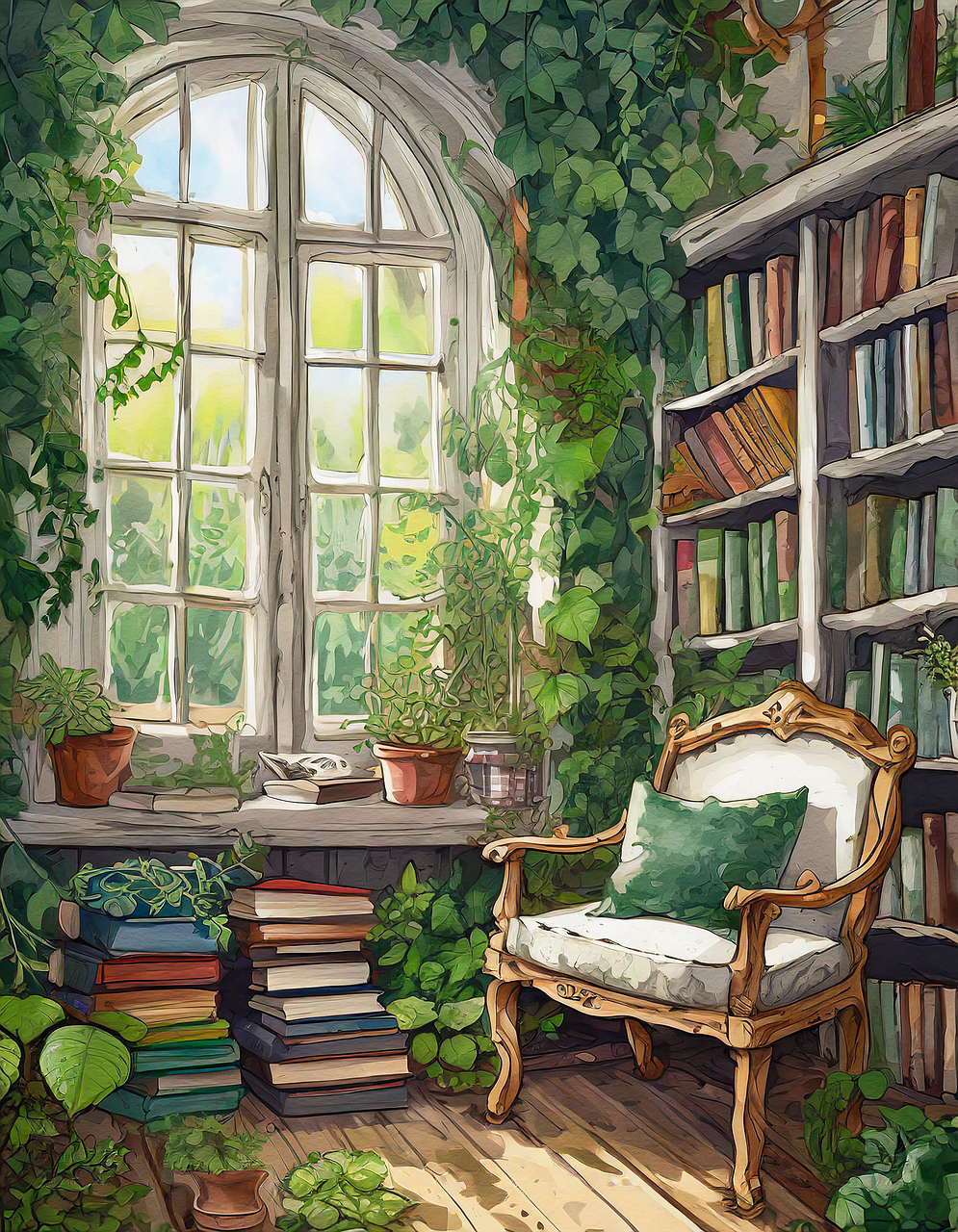
“Once formal, rarely used rooms are out, and we’re designing spaces for the way our clients actually live,” explains Krystal Reinhard of Old Soul Design Studio. That’s fueling a wave of rooms with one clear, well-defined purpose: a reading corner with a comfortable armchair and good light, a permanent game table instead of one folded away in a closet, a pantry that doubles as a coffee station.
You can apply this logic without any renovation at all. Before buying any new furniture, it’s worth asking: what is this room actually used for, today, in this house? If the honest answer is “nothing,” that’s the room to redesign first — even if it just means rearranging what you already own.
Wellness Built Into the Everyday Routine
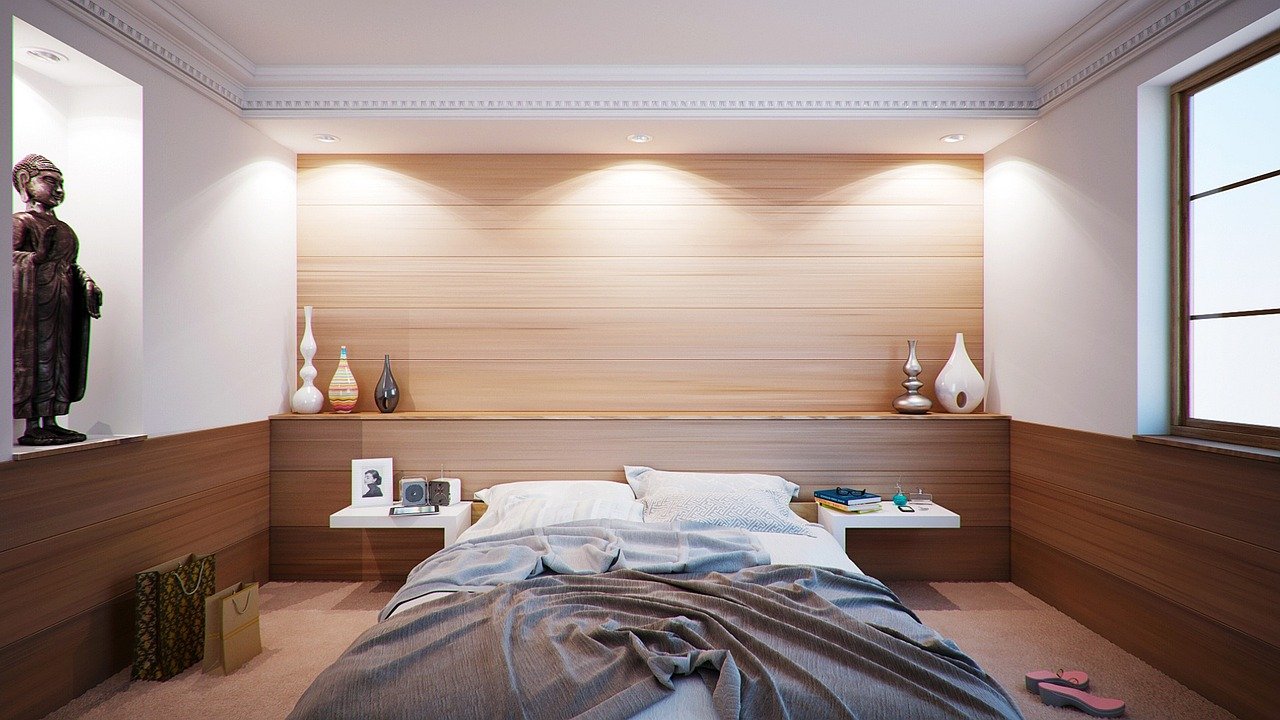
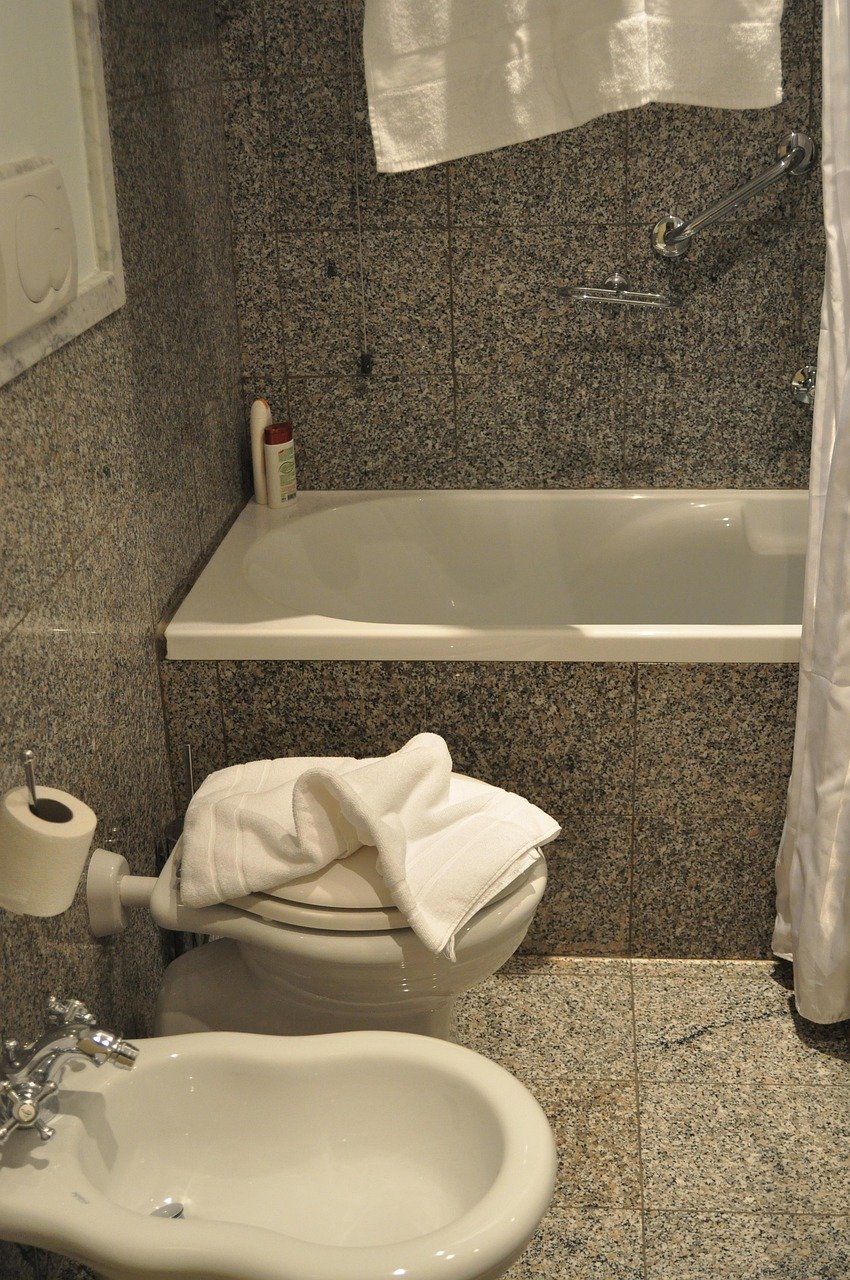
The third big theme of 2026 is the home reimagined as a place to recover, not just a place to be. This has been building since the pandemic, but this year it’s taken on a more concrete shape: soaking tubs in bathrooms that used to have only a shower stall, meditation corners with a rug and cushion near a window, compact home saunas (including portable models, more affordable than a built-in install), and layered lighting — several low, warm light sources instead of one strong overhead fixture — to mark the difference between work hours and wind-down hours.
Outdoors, that same wellness logic shows up in outdoor showers, backyard spa corners, and the use of natural stone — travertine, marble — as a long-lasting material instead of finishes that need replacing every few years. It reflects something bigger: less decor designed to last a season, more choices designed to last, period.
For anyone not about to gut a bathroom, wellness in 2026 also shows up in miniature: a diffuser and a comfortable chair near the sunniest window in the house already count as a wellness corner. The core idea is having at least one spot in the home — however small — set aside just for slowing down.
Fearless Color: Ceilings and Whole Rooms Drenched in One Shade
If white and gray ruled the last decade, 2026 is the year color came back hard — and not just on the walls. The ceiling has become the star: ceilings painted in saturated colors (hunter green, navy, terracotta), sometimes even darker than the walls, create what’s known as a color-drenched room — the entire space, floor to ceiling, in the same shade or very close tones.
Designer Jessica Hobson sums up the moment well: “I am rarely getting requests for neutral spaces anymore.” It’s a complete reversal from what dominated for years — clients now asking for exactly the opposite of safe beige.
That doesn’t mean everyone needs to paint their entire house purple. The budget-friendly version of this trend is picking one small room — a powder room, a hallway, the ceiling of a single bedroom — to test a bolder color, instead of risking the whole living room at once. Darker woods (walnut, espresso) and metals like unlacquered brass, which develop a patina over time instead of staying shiny, follow the same logic: less permanently perfect finish, more material that ages with personality.
2026’s Boldest Bets: From Pinterest to Real Life
Beyond the trends already showing up in nearly every designer’s project, Pinterest Predicts 2026 flagged a few more radical bets that show just how far this appetite for personality is willing to go:
- Striped ceilings: painted or wallpapered stripes, usually running wall to wall, bringing movement to a surface that’s normally ignored.
- Art Deco Revival: the return of bold geometric shapes, fan motifs, gold and black, sculptural light fixtures — an aesthetic that leans more party than neutral house.
- Red marble bathrooms: a much bolder bet than the usual white marble, used on countertops and wall coverings to turn the bathroom into the home’s focal point.
None of these three are for everyone, and they don’t need to be. Their value here is showing the general direction: even people who will never paint stripes on a ceiling are being pulled along by the same current — toward more specific, more committed choices, with less fear of missing some hypothetical future buyer’s taste.
What This Actually Means If You Just Want to Update Your Home
The thread connecting all of this — the living room full of personal objects, the room redesigned for real use, the wellness corner, the colored ceiling, even the red marble bathroom — is the same one: 2026 rewards commitment, not safety. The perfect resale-ready house has given way to the house that only makes sense for the people who actually live there. That’s good news, too, for anyone on a limited budget: the strongest trend of the year doesn’t require a renovation or an expensive store, just an honest look at the rooms you already have and who actually uses them — then decorating for that answer, not for some imaginary open-house visitor.