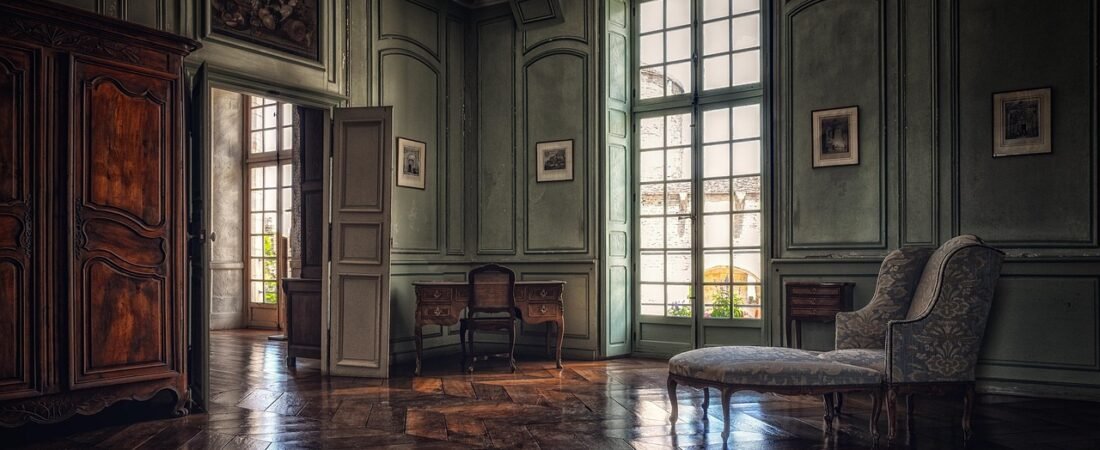
My aunt has a hutch in her dining room that nobody in the family has ever agreed on. For years it read as “too much” next to her otherwise streamlined furniture — carved wood, a faded rose pattern behind glass doors, mismatched teacups stacked inside. Then last spring I watched a design editor on Instagram style an almost identical piece next to a plain linen sofa and call it “grandmillennial,” and it clicked: the hutch was never dated, it was just early. That mash-up of heirloom and modern is exactly what’s driving one of 2026’s most talked-about home trends. Search data shows a real surge in restoration and vintage-repair requests this year, and designers are framing the look not as a full-blown theme but as a habit: buy less, buy old, and let a handful of storied pieces do the work a whole new furniture set used to do. Here’s what’s actually behind the trend, and how to bring it into a room without it looking like a costume.
What “Grandmillennial” Actually Means Right Now
The term has been around since the late 2010s, but 2026 coverage frames it as something more restrained than its first wave — less about recreating a full period room and more about editing. Homes and Gardens recently described the current version, sometimes called “grandma chic,” as a way of reframing heritage décor as “timeless and tasteful rather than old-fashioned,” pointing to Kendall Jenner’s Heidi Callier-designed mountain home as a high-profile example of “layered charming antiques, personal details, inviting colors, and retro patterns.” The idea isn’t nostalgia for its own sake. It’s about a room that looks collected over years, not shopped in one afternoon.
Heather Mastrangeli, principal designer at Innovatus Design, put it simply in a piece for Forbes: “Grandmillennial doesn’t have to be an all-or-nothing style.” That’s the practical shift from a few years ago, when the look could tip into full-on doily overload. In 2026, it’s one great chair, one inherited lamp, one piece of real china on open shelving — not a themed room.
7 Ways to Try the Trend Without It Looking Like a Theme
1. Start With One Real Piece, Not a Full Set
The easiest way to get grandmillennial wrong is to buy an entire matching “vintage-style” collection from a big-box retailer. The look depends on asymmetry: one chair that’s actually old standing next to furniture that clearly isn’t. Kiel Wuellner, senior creative director at Vesta Home, explained the appeal of a single authentic piece to Forbes: “A beautifully-aged piece does something a brand new one simply can’t – it tells a story.” Start with a flea-market find, a thrifted side table, or something already sitting in a relative’s garage before adding anything new.
2. Update Hardware and Finishes First
Before repainting or reupholstering anything, swap the hardware. Coverage of the trend consistently points to antique furniture updated with unlacquered brass, copper, or nickel pulls and knobs as one of the fastest, cheapest ways to make an old piece feel current rather than simply old. It’s a five-minute project per drawer that changes how the whole piece reads in a room.
3. Mix Floral and Chintz With Plain, Modern Fabric
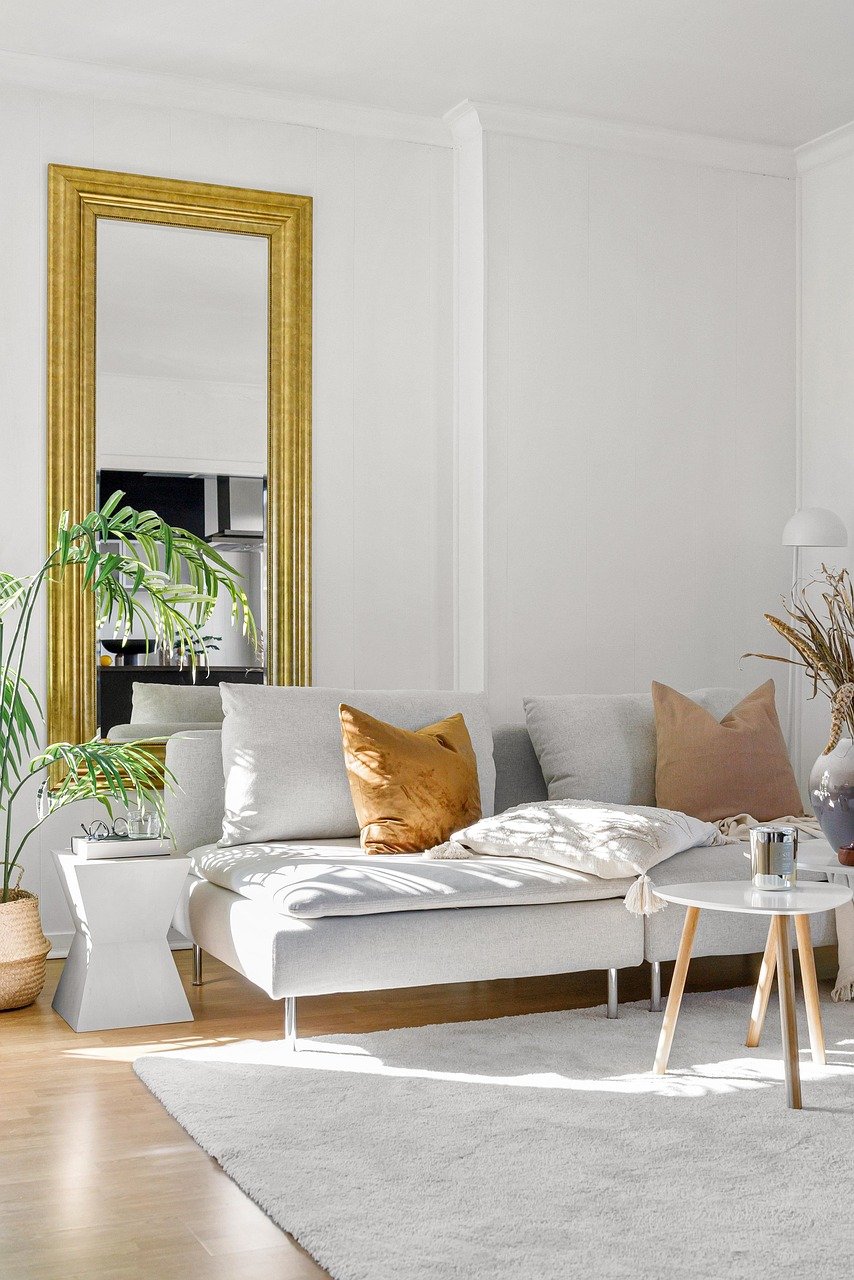
Grandmillennial rooms lean on pattern — florals, toile, needlepoint pillows — but 2026’s version pairs one patterned piece against otherwise plain, contemporary fabric rather than layering print on print. A single chintz armchair against a neutral linen sofa reads as intentional. Three patterned pieces in one room starts to feel like a period set piece.
4. Let Vintage Lighting Do the Heavy Lifting
A lamp or chandelier is one of the highest-impact, lowest-commitment ways into the look, since it doesn’t require rearranging a whole room. Designers covering the trend repeatedly call out antique lighting — pleated shades, brass sconces, glass chandeliers — as a starting point precisely because it sits on top of an existing room instead of replacing it.
5. Display the China and Silver Instead of Storing It
Hema Persad, founder and principal designer at Sagrada Studio, described the pairing logic behind the trend to AOL: an antique chair paired with a contemporary rug, or “vintage trays styled on a sleek coffee table or console…looks interesting and reflects your personality.” The same logic applies to inherited china, silver trays, and glassware — pieces that spent decades in a cabinet are doing more work out on open shelves or a console than they ever did behind glass.
6. Restrain Everything Else Around One Bold Textile
The trend piece coverage links grandmillennial to a related 2026 idea some designers call “midimalism,” a middle ground between minimalism and maximalism. Mastrangeli described it to Forbes as finding “the sweet spot between minimalism and maximalism,” while Wuellner made the case for restraint elsewhere in the room: “One bold textile can do more for a room than ten neutral ones.” Pick a single statement fabric — a floral wing chair, a patterned rug — and keep walls, wood tones, and other upholstery quiet around it.
7. Restore Instead of Replace
Search trend data cited in the Forbes piece found requests for framed mirror installation up 733% and requests for historic restoration services up nearly 2,697% year over year, a strong signal that people are choosing to repair inherited and secondhand pieces rather than replace them outright. That’s the throughline of the whole trend: reupholstering a chair your grandmother owned costs less than buying a new one that’s designed to look like it, and it comes with a story the new piece can’t fake.
Why It’s Sticking Around in 2026
Part of what separates this wave from the trend’s first run several years ago is timing. Coverage of grandmillennial and midimalism both point to shoppers who grew up watching furniture trends cycle fast and are now gravitating toward pieces that already have history attached, whether that’s an actual inherited item or something found secondhand and restored. It overlaps with a broader shift toward personal, story-driven rooms instead of showroom-perfect ones, but it’s specific in a way “cozy” or “maximalist” alone aren’t: it’s about a visible contrast between old and new, not just warmth or pattern for its own sake.
The Bottom Line
None of the seven ideas above require gutting a room or committing to a full period look. The whole point of grandmillennial in 2026 is restraint around a few real pieces — swap the hardware on one dresser, hang one antique mirror, pull the good china out from behind glass. If there’s a piece of furniture sitting in a parent’s basement or a booth at a local flea market that’s been easy to walk past, this is the year it’s worth a second look.