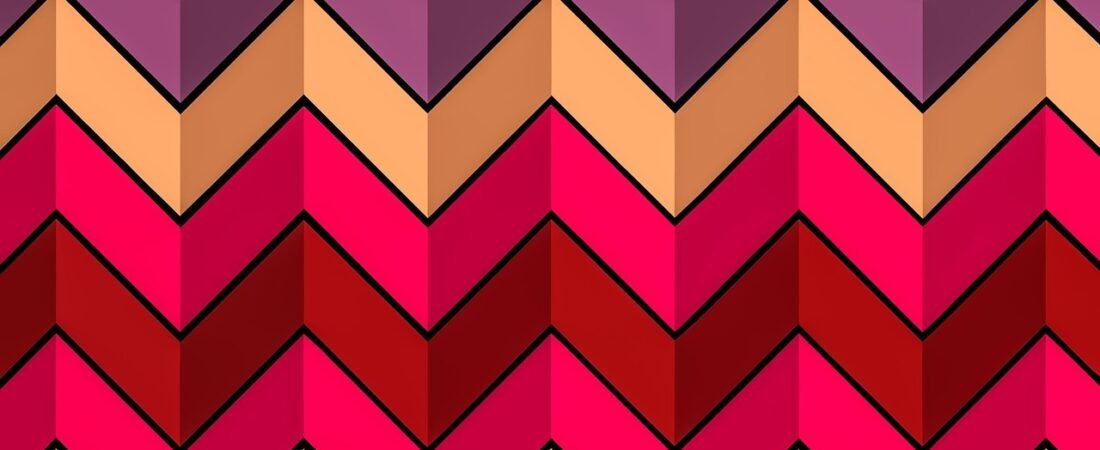
I reupholstered a thrift-store armchair this spring mostly because the seat cushion had given out, not because I was chasing a trend. The fabric I picked, almost on a whim, was a zigzagging, multicolored print the shop clerk called “flame stitch.” I liked that it looked handmade even though it wasn’t. It wasn’t until I started scrolling design accounts in late summer that I realized I’d stumbled into something bigger: that same jagged, jewel-toned zigzag is popping up on cushions, curtains, and full fabric collections all over 2026’s fall design coverage. A quick note before we get into it: some of the pieces below link to Amazon, and as an Amazon Associate I earn a small commission from qualifying purchases, which is basically how I justify buying “just one more” patterned pillow for that same chair.
What Flamestitch Actually Is
Flamestitch — also called bargello or flame stitch — is a needlepoint technique that dates back to 17th-century Italy, built from rows of vertical stitches shifted slightly to create a jagged, flame-like zigzag. For centuries it showed up mostly on formal upholstery and church textiles. In 2026, it’s been reprinted, rewoven, and reworked into velvets, linens, and wallpapers that look far less stuffy than the antique version.
Interior designer Gemma Budworth, founder of Gemma Budworth Interiors, describes the pattern’s sudden return bluntly: flamestitch “is a seventeenth-century zigzag” that “is suddenly everywhere.” Its appeal, she says, is how adaptable it is: “Its great virtue is that it can read as traditional, folkloric or modern depending entirely on palette and scale.”
Why It Surfaced Now
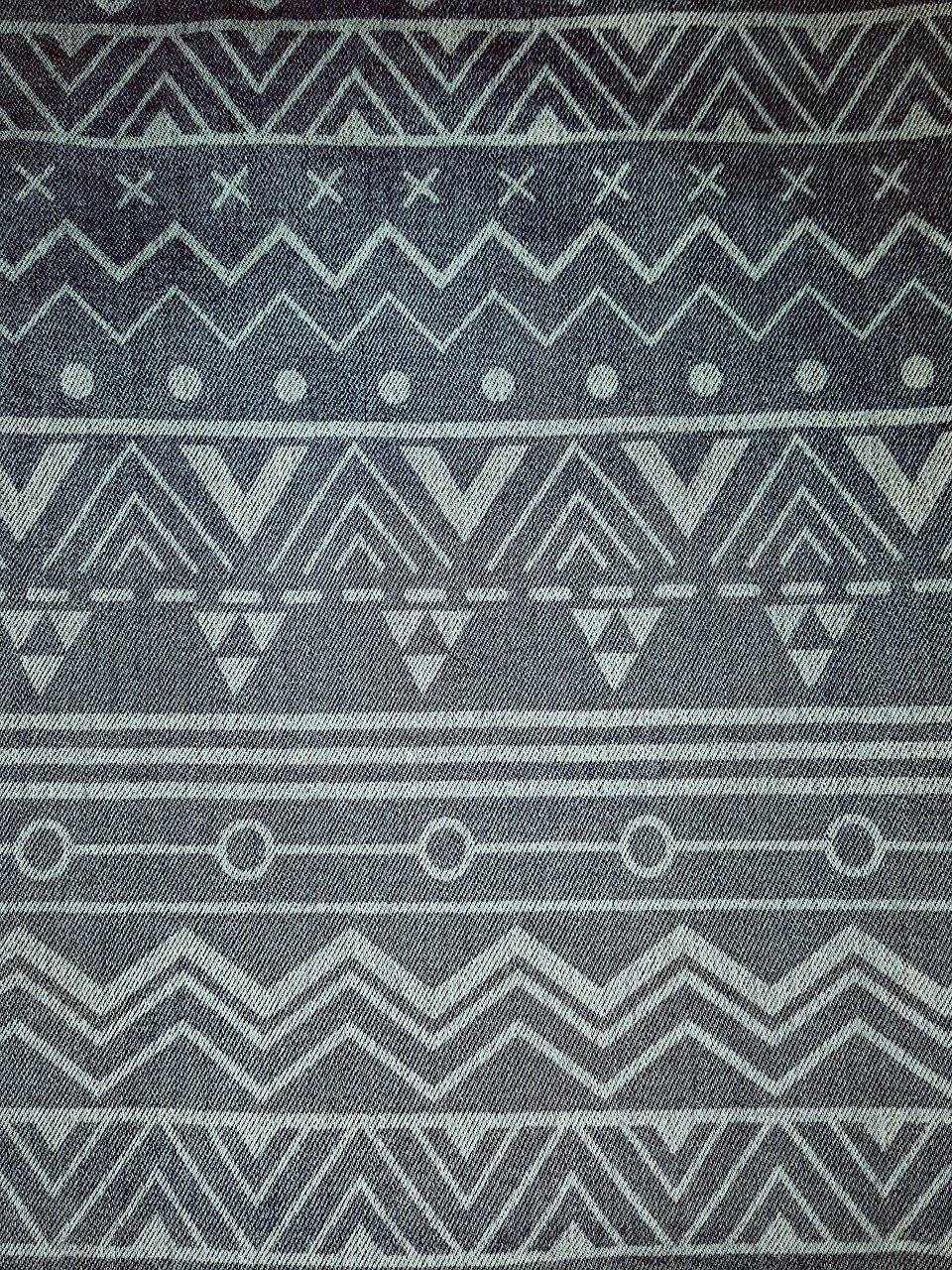
The pattern’s return isn’t just a hunch — it showed up as one of five defining trends coming out of Focus/26, a September 2026 fabric and textile trend event that draws collections from names like Colefax & Fowler, Casamance, Schumacher, and GP & J Baker. Alongside flamestitch, the same event flagged softened, time-worn metallics, portable lighting designed to move between rooms, “wild texture” fabrics with fringe and bobbles, and romantic, botanical-heavy pattern — all pointing toward interiors that feel richer and more hand-touched than the smooth, quiet rooms that dominated the past few years.
Budworth ties the shift to a broader mood change in how people want their homes to feel. “Pattern is back, and this time it is not asking permission,” she says. She sees it as a rejection of the idea that a busy room needs to apologize for itself, and connects it to homeowners wanting a space that reads as personal rather than staged: “the room to look like it belongs to someone. Pattern is the fastest way to achieve that.”
Not Just an Afterthought Anymore
What’s notable about how flamestitch and its fellow 2026 patterns are being used isn’t just that they’re loud — it’s when they’re being decided. Budworth points out a real shift in process: “Pattern is no longer a decoration added at the end. It is the structure of the room, decided at the same time as the paint.” That’s a different approach than the usual “neutral box first, personality later” formula most of us default to, and it’s part of why flamestitch pieces are showing up as anchor items — a single statement chair or a full set of drapes — rather than an afterthought pillow tossed on at the end.
If you want to try it as an anchor piece rather than an accent, a patterned accent chair is the easiest entry point that still reads as a real design decision rather than a whim:
Shop flame stitch accent chairs on Amazon
Where the Pattern Works Best (and Where It’s a Bigger Commitment)
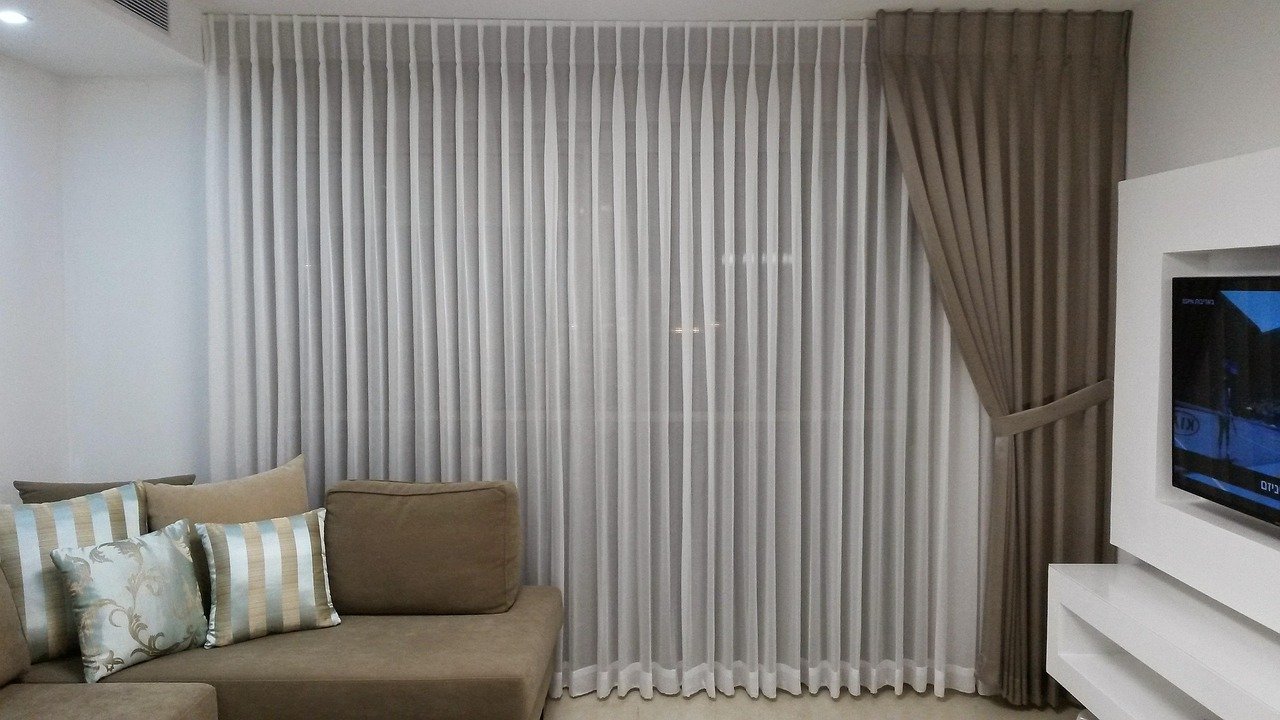
Budworth is refreshingly specific about scale and placement, which matters with a pattern this graphic. Her rule of thumb: “Flamestitch on curtains is a commitment; flamestitch on a chair is a delight.” In other words, drapery in a full-repeat flamestitch print covers a huge surface area and dominates a room the moment you walk in — it’s the right move if you’re fully committed to the look and have a fairly restrained palette everywhere else. A single chair, ottoman, or set of dining seats, on the other hand, gives you the same texture and color payoff in a much lower-risk dose.
For anyone easing in, fabric by the yard is the cheapest way to test the pattern before committing to furniture — enough for a seat cushion, a set of pillow covers, or a small drapery panel:
Shop bargello and flame stitch fabric by the yard on Amazon
Pillows are the lowest-commitment option of all, and they’re genuinely useful for testing whether a jewel-toned zigzag pattern actually works with the rest of your room before you reupholster anything:
Shop flame stitch and bargello throw pillows on Amazon
Pairing It With the Rest of 2026’s Textured Mood
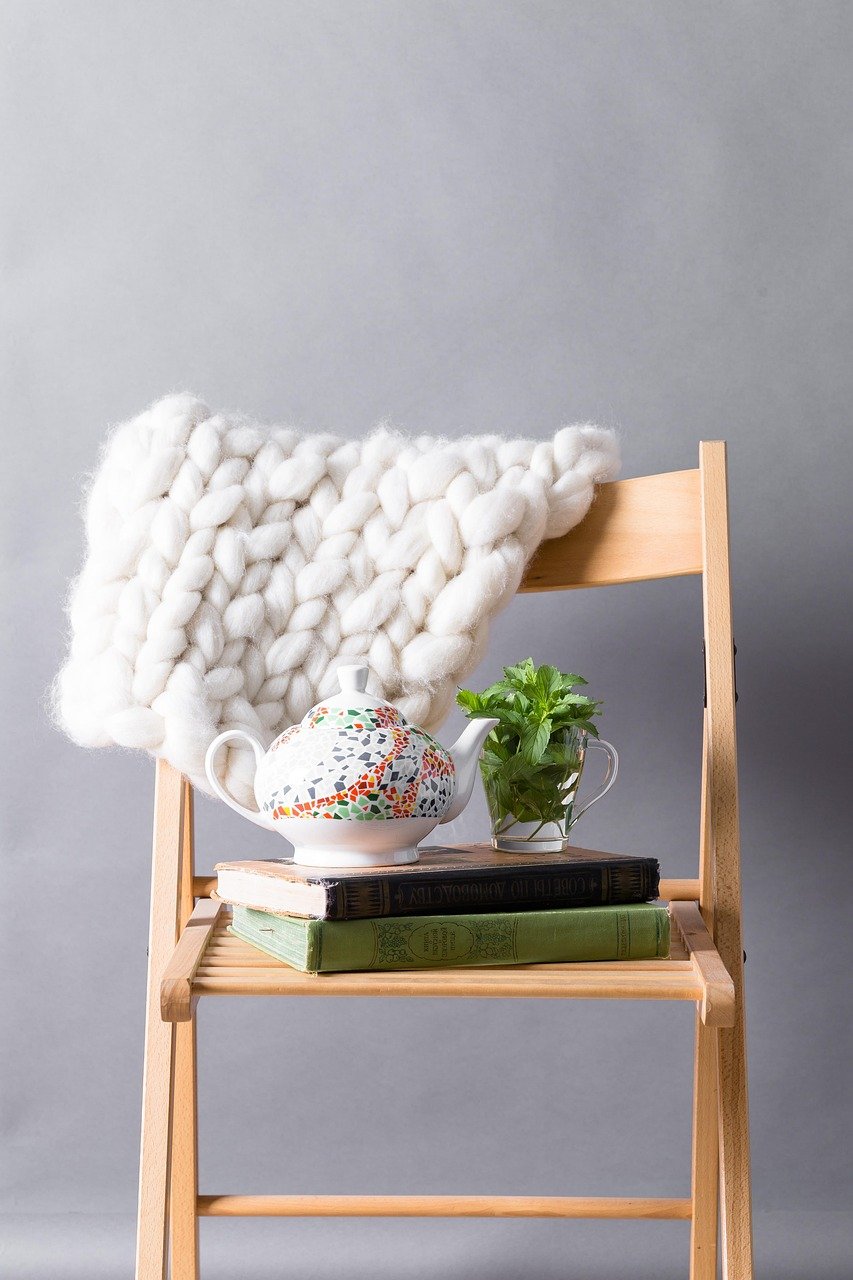
Flamestitch rarely shows up alone in the rooms designers are actually building around it. The same September 2026 trend reports that flagged the pattern also pointed to “wild texture” — fringe, bobbles, and embroidered surfaces — as a natural companion, since both trends are chasing the same handmade, collected-over-time feeling rather than a flawless factory finish. A flamestitch chair next to a fringed lampshade or a chunky bouclé throw doesn’t read as mismatched; it reads as a room that was put together by someone with actual taste, not an algorithm.
If you’d rather start smaller than a full chair, a patterned lampshade is an easy way to bring in the same energy without touching your furniture at all:
Shop bargello and zigzag print lampshades on Amazon
The Takeaway
Flamestitch isn’t a trend you need to gut a room for. It’s a 400-year-old technique that happens to photograph beautifully next to 2026’s other big instinct — rooms that feel personal, textured, and a little imperfect instead of picture-perfect. Start with a pillow if you’re not sure, go straight for the chair if you already know you love it, and save full drapery for the room where you’re ready to let one pattern run the whole show. Budworth’s framing is the one worth keeping in mind either way: pattern isn’t decoration you add at the end anymore — it’s a decision you make on purpose, the same way you’d choose a paint color.