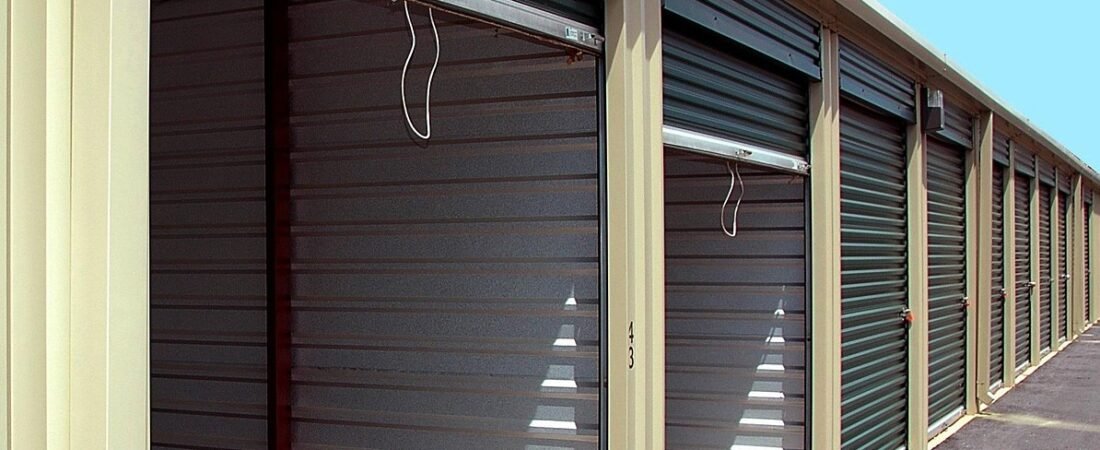
Two summers ago, I rented a 5×10 storage unit for “just a few months” while I figured out what to do with my grandmother’s dining set. That was 2024. I still have the unit. I’ve visited it maybe six times, mostly to confirm the chairs are still there, and I pay $94 a month to store furniture I haven’t touched since Biden was in office. When I finally admitted this out loud to a friend, she laughed and said she had one too — hers held off-season decor and a box of clothes she “might fit into again.” It turns out we’re not outliers. New national survey data released this September shows millions of Americans are doing exactly the same thing, and it says a lot about how we actually deal with clutter. (This post contains Amazon affiliate links; Every Corner may earn a small commission on qualifying purchases, at no extra cost to you.)
The Numbers Behind 2026’s Self-Storage Boom
According to a September 2, 2026 report from StorageCafe, roughly one in four Americans (26%) currently rent a self-storage unit, and another 28% say they plan to start. Searches for self-storage across the 150 largest U.S. cities climbed 23% year-over-year. That’s not a niche habit anymore — it’s a mainstream response to too much stuff and too little space.
The same report found that more than a third of Americans say they “always or often” feel overwhelmed by clutter at home, with another 29% feeling that way sometimes. Only one in five people say they never feel cluttered. Gen Z reported the highest stress levels, with 47% saying clutter frequently weighs on them — a generation that’s supposedly minimalist, renting units at record rates.

Why We Pay Rent to Avoid Organizing
Here’s the part that stood out most: the StorageCafe report described the storage unit as “the answer to where you go when there’s no room left” — in other words, it’s become the release valve for clutter we don’t want to deal with, rather than a temporary stop between two homes. Separate industry research from Placer.ai backs this up: housing turnover has slowed, so fewer people need storage for an actual move, yet visit frequency to storage facilities is climbing. People are folding their units into everyday life, treating them as a permanent extra room instead of a moving-day stopgap.
That distinction matters. A storage unit rented for six weeks during a move is a logistics tool. A storage unit rented for three years is a monthly subscription to postponing a decision. At $94 to $200-plus a month depending on unit size and climate control, that “someday I’ll deal with it” box can cost more per year than the furniture inside it is worth.
What’s Actually Filling These Units
The StorageCafe data breaks down what people are storing, and none of it is surprising once you think about it: furniture tops the list at 22%, followed by clothing at 15% (mostly overflow wardrobes and off-season pieces), seasonal decorations at 12%, and sentimental items or heirlooms at 10%. Clothing was named the single biggest clutter source at home by 28% of renters and Gen Z respondents alike.
Notice that almost none of this is trash. It’s furniture someone plans to use “eventually,” clothes that don’t fit right now, holiday decor that only comes out for six weeks a year, and boxes tied to people we’ve lost. These are exactly the categories that respond well to an actual system at home — they just rarely get one, because sorting through them is harder than writing a monthly check.
Building a System That Replaces the Unit
The good news is that most of what fills a storage unit can move home if it has the right container. A few professional organizers have been pushing exactly this idea for 2026: storage that flexes as your life does, instead of a fixed unit you rent indefinitely. As organizer Ea Fuqua put it in a recent House Digest interview, “we love stackable drawers, adjustable shelving, and storage that can grow with your family (or shrink when you’re ready to simplify).” Her point: the goal isn’t to own less, it’s to make the space you already have work harder.
For furniture in limbo, measure it and confirm it actually fits somewhere in your home before assuming it needs an outside unit — a piece tucked under a bed frame or repurposed as a bench seat with a lid often solves the “nowhere to put it” problem better than a monthly rental does. Rolling underbed storage bins reclaim the most overlooked square footage in most bedrooms and can hold everything from folded blankets to that dining set you’re not ready to part with.
For the clothing overflow that made both lists, vacuum-seal what’s genuinely out of season instead of stuffing it into a unit you’ll forget about. Vacuum storage bags compress bulky sweaters and coats to a fraction of their size, and stacking a few in a closet costs nothing monthly.
Seasonal decorations are the easiest category to fix permanently. A dedicated set of stackable, labeled decor bins sized to fit a garage shelf or the back of a closet means you never have to weigh “storage unit or landfill” every January again. Pair them with a simple label maker so everything gets found without opening five boxes first.
Sentimental items deserve more intention, not more square footage. Instead of an entire unit devoted to boxes you can’t bring yourself to open, pick one or two archival keepsake boxes per person and let that be the hard limit. If it doesn’t fit in the box, it forces an actual decision — display it, photograph it and let the object go, or pass it to another family member — instead of paying rent to avoid deciding.
When a Storage Unit Still Makes Sense
None of this means self-storage is always a bad call. It’s genuinely useful during an actual move, a renovation, a military relocation, or when you’re settling an estate and need a few months to sort through a house. The distinction professionals keep coming back to is duration and intention: a unit with an end date attached to a specific plan is a tool, while a unit you’ve stopped thinking about is quietly becoming a very expensive extra room you never see.
If you’re not sure which one describes your situation, try this: go visit your unit this week, and for everything inside, decide right there whether it comes home, gets sold or donated, or genuinely needs more time. Set a real date — thirty days is plenty — to finish that decision for every item. The StorageCafe data suggests most of us never do this step, which is exactly why the boom keeps growing.
The Bottom Line
The self-storage industry isn’t booming because Americans have more stuff than ever, necessarily — it’s booming because we’ve found a way to make our clutter invisible instead of resolved. A monthly fee feels easier than an afternoon of hard decisions, at least until you add up what a “temporary” unit has cost you over three years. Building a system at home, even an imperfect one, is almost always cheaper and far more final than renting somewhere else to keep not deciding.