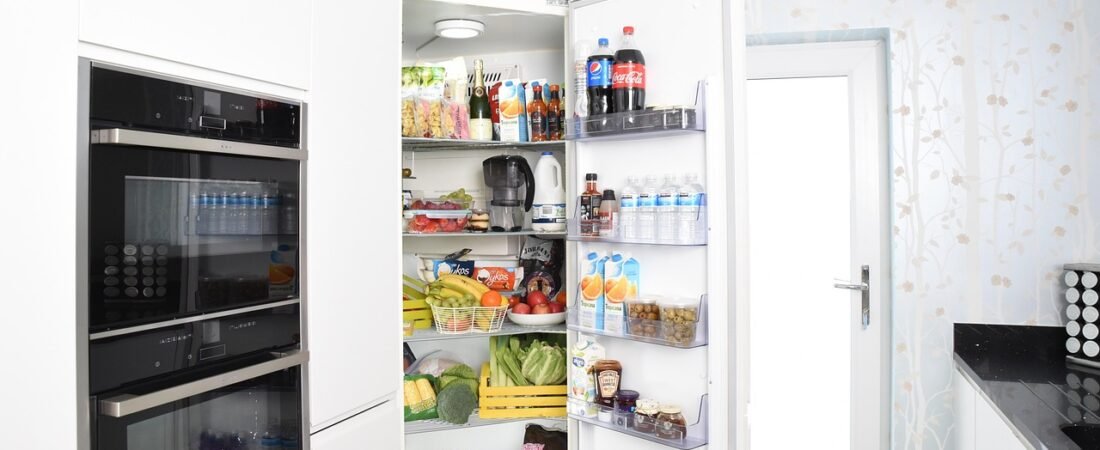
Last November I opened my fridge on Wednesday night, holding a 14-pound turkey, and realized there was nowhere to put it. A half-empty jar of cranberry sauce from last year, three kinds of mustard, and a forgotten tub of sour cream stood between me and a safe thaw. Learning how to organize your fridge for Thanksgiving, and doing it weeks ahead instead of in a panic, changed my whole holiday. This year I am starting early, and I am sharing the exact plan. A quick note before we begin: as an Amazon Associate, I earn from qualifying purchases, so a few tools below link to Amazon, but I only mention the ones I would genuinely use in my own kitchen.
How Do You Organize Your Fridge for Thanksgiving?
Start three weeks out: toss expired items, wipe down every shelf, and check that your fridge sits at 40°F or below and your freezer at 0°F. Then clear one full shelf for the thawing turkey, create a labeled zone for make-ahead dishes, and reserve eye-level space for leftovers. Thanksgiving 2026 falls on Thursday, November 26.
That is the whole idea in a nutshell. The rest of this guide breaks it into a week-by-week schedule, so you never have to do more than an hour or two of work at a time. If you tackle one task per weekend and one per evening in the final week, your fridge will be ready long before the first guest rings the doorbell.
Why Thanksgiving Is the Hardest Week for Your Fridge
On a normal week, most fridges have a little breathing room. Then Thanksgiving arrives and we ask the same appliance to hold a huge bird, pies, side dishes, extra drinks, and a pile of leftovers. Something has to give, and usually it is food safety or your sanity.
The good news is that this is a planning problem, not a space problem. A fridge that is cleared out and zoned in advance can hold far more than one packed with half-used jars. If you have been working on a zone system for the rest of your kitchen, you already know the principle: every item gets a home, and the busiest items get the best real estate.
Three Weeks Before: Purge, Clean, and Check Temperatures
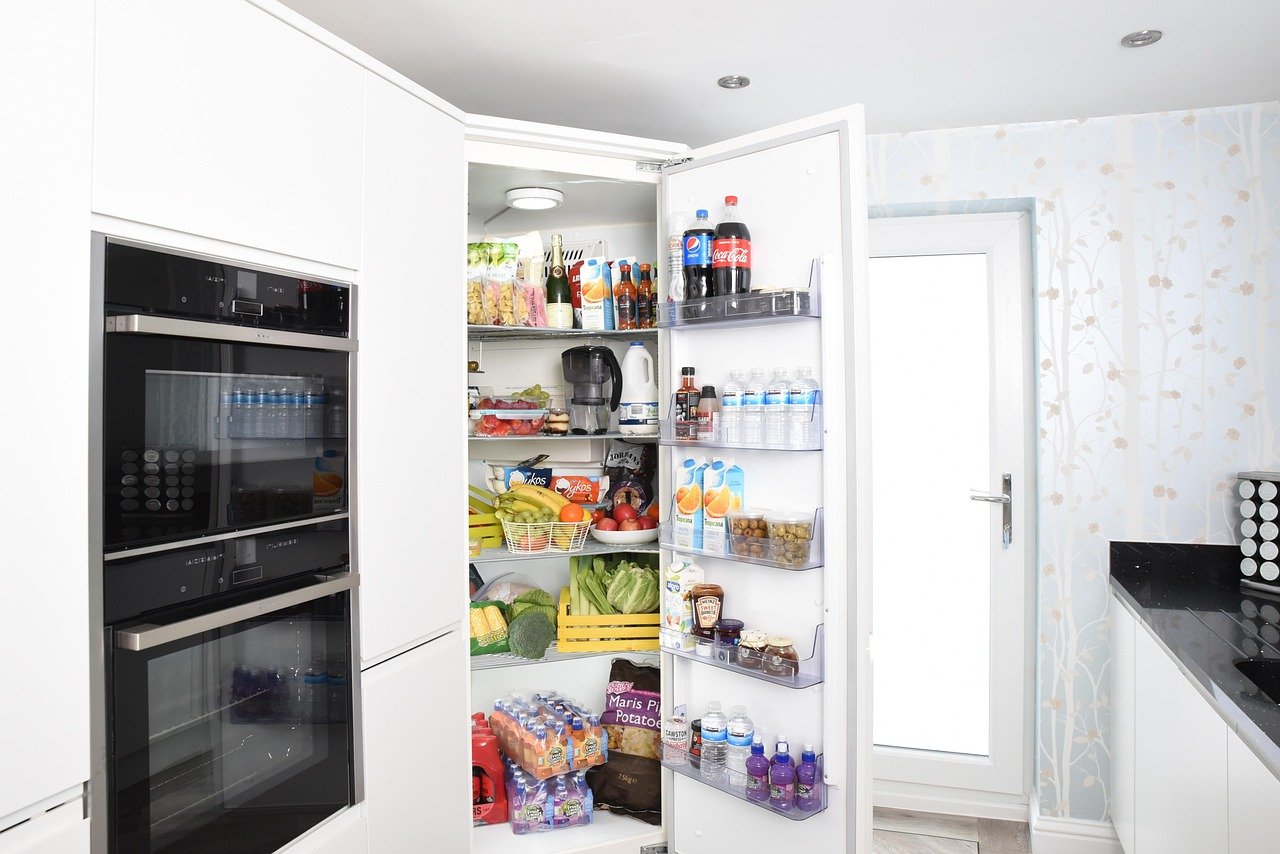
Mark Thursday, November 5 on your calendar as your reset day. This is the least glamorous step, and the one that makes every other step possible.
Empty the fridge and toss what is expired
Take everything out, shelf by shelf, and check dates. Anything expired, freezer-burned, or unidentifiable goes in the trash. Be ruthless with condiments in particular, since most of us own far more sauces than we use.
Clean it properly
Whole Foods Market suggests cleaning the fridge with a baking soda solution of 2 tablespoons per quart of hot water. Wash removable shelves and drawers, dry everything, and wipe the door gaskets. While you are at it, you can adjust shelf heights now so a tall roasting pan or a stockpot has room later.
Verify your temperatures
According to FoodSafety.gov, the refrigerator should be at 40°F or below and the freezer at 0°F or below. Do not trust the dial or the display alone. A small appliance thermometer on the middle shelf tells you what is really happening inside.
This is exactly the situation where an inexpensive tool pays for itself. Fridge dials are notoriously approximate, and an overfull Thanksgiving fridge runs warmer than an empty one, so knowing the true number is cheap insurance for a very expensive meal. Browse refrigerator and freezer thermometers on Amazon and check the current price before you buy.
Two Weeks Before: Build Zones and Defrost the Freezer
By Thursday, November 12, the fridge is clean and you can start assigning zones. Think of it as city planning: a few clearly defined neighborhoods keep traffic moving.
The five Thanksgiving zones
- Turkey zone: the lowest shelf, with a rimmed tray underneath to catch drips. Cold air sinks, and raw poultry should never sit above ready-to-eat food.
- Make-ahead zone: one middle shelf for cranberry sauce, casseroles, pie dough, and anything you prep early.
- Guest drinks zone: the door or a bottom drawer for sparkling water, cider, and wine.
- Everyday zone: the milk, eggs, and lunch items your household still needs.
- Leftovers zone: left empty on purpose until Thursday evening.
Whole Foods Market advises that more perishable items like eggs and meats belong on lower, colder shelves, and that you should “keep leftovers at eye level and not hiding on lower shelves.” That second tip is the reason I reserve an eye-level shelf for leftovers. Out of sight really does mean out of mind.
Defrost and reorganize the freezer
If your freezer has ice buildup, now is the time to defrost it. Take stock of what is in there and eat down older items. Freezer space is usually the first thing to run out on Thanksgiving weekend, when leftover turkey, stock, and pie all need a place to go. According to FoodSafety.gov, freezer storage times are about quality, and food kept continuously at 0°F or below stays safe indefinitely, so you are not racing a safety clock, only a flavor one.
Stand flat bags upright like files, group by category, and keep a running list on the freezer door. If you are a fan of tidy shelves without extra bins, the thinking behind the stop-buying-bins approach to organizing applies here too. Use what you have first, and only buy what solves a real problem.
Where I do spend money is on clear, stackable containers that make zones visible at a glance. Glass keeps odors out, goes from fridge to oven, and lets you see the contents without opening every lid, which matters when you are juggling five side dishes. Shop glass food storage containers with lids on Amazon and look for sets with nesting sizes so they stack tightly.
One Week Before: Shop Smart and Create Space
On Thursday, November 19, shop for your non-perishables first and your perishables as late as you reasonably can. Buying fresh produce and dairy in two trips (this weekend and Tuesday) keeps the fridge from filling too early.
Pantry first, fridge second
Everything shelf-stable, including broth, canned pumpkin, flour, sugar, and baking supplies, should live in the pantry, not the fridge. Whole Foods Market recommends pulling everything out, grouping by category, discarding expired items, and noting that dried herbs and spices “should be replaced every six months.” Check your cinnamon, nutmeg, and sage now, before you realize on Wednesday night that they are stale. For a full pantry reset, the zone system I linked earlier is the one I follow.
Label everything
Labels are not just for looks. When four people are rummaging in the fridge on Thanksgiving morning, a label that says “Gravy, made Nov 24” or “Do not touch, pie for Thursday” prevents confusion and waste. Smart QR labels are one fun upgrade, but plain masking tape and a marker work just as well. If you prefer something reusable, erasable food storage labels on Amazon let you write the date once and wipe it off after the holiday.
Add organizers where space is tight
If your fridge is small, vertical space is your friend. Stackable bins and a turntable can double usable space and keep tall items from disappearing into the back. I use a lazy Susan for sauces and a couple of clear bins for grab-and-go items. Search refrigerator organizer bins and turntables on Amazon, measure your shelf depth first, and avoid pieces that block airflow.
When Should You Thaw a Turkey for Thanksgiving 2026?
The USDA says to allow approximately 24 hours for each 4 to 5 pounds of turkey in a refrigerator set at 40°F or below. By weight, that works out to 3 to 4 days for a 12 to 16 pound bird and 4 to 5 days for 16 to 20 pounds. For Thanksgiving on November 26, move a frozen 16-pound turkey into the fridge by Saturday, November 21.
Here is the USDA’s refrigerator thawing chart, translated into 2026 dates. I have counted back from Thursday, November 26 and used the longest time in each range so there is a day of cushion.
- 4 to 12 pounds: 1 to 3 days, so move it to the fridge by Monday, November 23.
- 12 to 16 pounds: 3 to 4 days, so move it by Sunday, November 22.
- 16 to 20 pounds: 4 to 5 days, so move it by Saturday, November 21.
- 20 to 24 pounds: 5 to 6 days, so move it by Friday, November 20.
The USDA also notes that a thawed turkey can remain in the refrigerator for 1 or 2 days before cooking, so a little early is fine. If you run short on time, the cold water method takes about 30 minutes per pound, but the USDA says a turkey thawed that way should be cooked immediately. The same applies to microwave thawing.
Where does the turkey go?
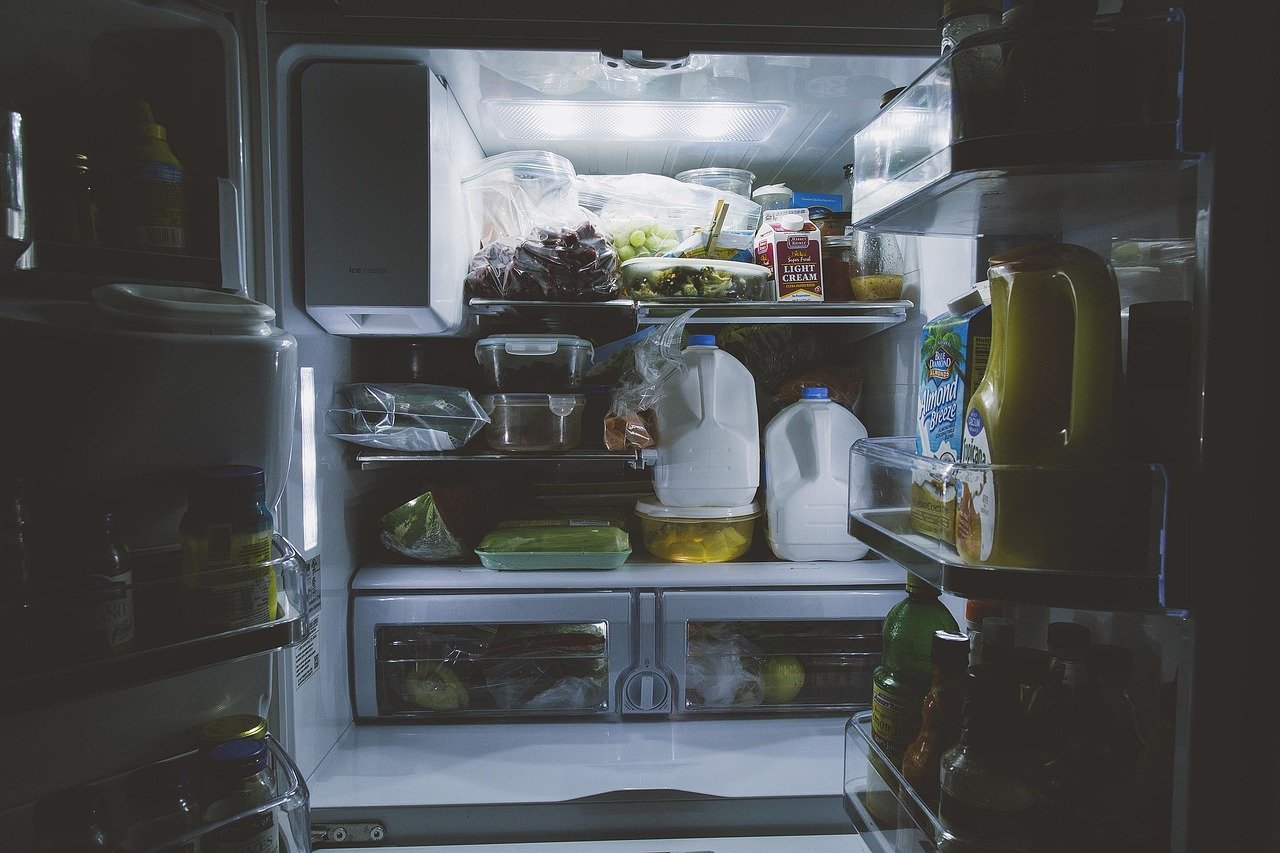
Put it on the lowest shelf, breast side up in its original wrapping, on a rimmed sheet pan or inside a large bin. That way, if the packaging leaks, nothing drips onto your produce or pies. Clear this shelf at the one-week mark so the turkey never has to compete for space.
The Final Week: Day-by-Day Fridge Schedule
Once the turkey is in, the last week is about rhythm. Here is the schedule I follow.
- Saturday, November 21: Turkey goes in (for a 16 to 20 pound bird). Do a final fridge check, and move any leftover everyday food to the front.
- Sunday, November 22: Make cranberry sauce and pie dough. Store in labeled glass containers in the make-ahead zone.
- Monday, November 23: Grocery run for perishables: dairy, fresh herbs, produce. Put drinks in the guest drinks zone.
- Tuesday, November 24: Prep vegetables, make gravy base, and assemble casseroles. Cover tightly and label with the day.
- Wednesday, November 25: Bake pies, set out serving dishes with sticky notes, and clear the leftovers shelf completely. Stage empty containers where you can reach them.
- Thursday, November 26: Cook, serve, and refrigerate leftovers promptly.
Thanksgiving Day: How Do You Store Leftovers Safely?
Per the USDA, leftovers must be refrigerated within 2 hours of cooking, or within 1 hour when temperatures exceed 90°F. Divide large amounts into shallow containers so they cool quickly, and eat them within 3 to 4 days. When you reheat, bring them to 165°F as measured with a food thermometer.
That 2-hour clock is the part people forget, because dinner conversation runs long. I set a timer on my phone when the turkey comes out, and I assign one person to be the leftovers captain once dessert starts. Their only job is packing containers.
Shallow containers, labeled with the date
Slice the turkey off the bone, pack it into shallow containers, and write the date on each one. Leave gravy and stuffing in their own smaller containers. A reminder from FoodSafety.gov’s storage chart: cooked meat or poultry keeps 3 to 4 days in the refrigerator, and pumpkin pie after baking keeps 3 to 4 days as well. That means Sunday, November 29 is your cut-off for eating the refrigerated leftovers or moving them to the freezer.
Freeze what you will not eat by Sunday
For the freezer, the chart lists cooked poultry at 2 to 6 months for best quality. Flat-freeze portions in freezer bags with the air pressed out, and stack them like files. Having sturdy containers ready makes this a five-minute job. If you are also hosting, these hosting finds reviewers swear by are a good companion to a leftovers-ready kitchen, since a few of them double as storage.
If you do not have enough containers for Thursday night, consider a set of reusable, leakproof ones sized for the carry-home plates your guests will beg for. Look at leakproof meal prep containers on Amazon and compare sizes against the dishes you plan to serve.
Is Your Kitchen Small? Make It Work Anyway
Not everyone has a double-door fridge. In a small kitchen, the answer is usually to borrow space, not buy it. A cooler with ice on the porch (as long as it stays cold) can hold drinks. A spare shelf in the garage fridge can hold sealed beverages. And clearing the counter by moving rarely used appliances away, as in this small kitchen storage approach, makes room for casseroles to cool before they go in.
Also consider asking guests to bring dishes that go straight into the oven or onto the table rather than into the fridge. A potluck-friendly plan means less to store, and your guests will be glad to contribute. Hosting well is, after all, a design choice, one that many 2026 homes are being built around.
Frequently Asked Questions
What temperature should my fridge and freezer be for Thanksgiving?
FoodSafety.gov recommends keeping the refrigerator at 40°F or below and the freezer at 0°F or below. A full holiday fridge can warm up, so place an appliance thermometer on the middle shelf and check it daily in the final week. If the reading creeps above 40°F, remove some items or lower the setting.
How far in advance should I clean out my fridge before Thanksgiving?
Plan to clean it about three weeks ahead, which is November 5 this year. That gives you time to toss expired food, wipe shelves with a baking soda solution, and defrost the freezer if needed, all without rushing. Do a quick tidy again the weekend before the turkey goes in.
How long can a thawed turkey stay in the fridge?
According to the USDA, a thawed turkey can remain in the refrigerator for 1 or 2 days before cooking. Count thaw time at about 24 hours for each 4 to 5 pounds in a fridge at 40°F or below. For a 16 to 20 pound bird, that means moving it in by November 21.
How long do Thanksgiving leftovers last?
Properly stored leftovers stay safe for 3 to 4 days in the refrigerator, according to the USDA. Refrigerate them within 2 hours of cooking, store them in shallow containers, and reheat to 165°F. For Thanksgiving 2026, eat or freeze everything by Sunday, November 29.
In the end, the best Thanksgiving fridge is not the biggest or the fanciest. It is the one with a cleared bottom shelf by November 21, a labeled make-ahead zone by the 22nd, and an empty eye-level shelf waiting on Thursday evening. Start with the thermometer and a single purge on November 5, and everything after that is just following the calendar.