
Last November, the first real cold snap hit and our hall closet finally gave up. I opened the door for a parka and got a landslide of mismatched gloves, a broken umbrella, two left boots, and a tote bag I had not seen since March. If that sounds familiar, you are in the right place. Good coat closet organization is not about buying a pile of bins. It is about deciding what belongs in the closet in winter, giving each category a fixed home, and keeping wet gear from ruining everything else. (Full disclosure, because I test all of this in my own house: As an Amazon Associate, I earn from qualifying purchases made through the search links below.) Here is the exact system I use, and it takes about an hour.
How Do You Organize a Coat Closet?
Empty the closet completely, then keep only in-season coats, hats, gloves, and a few daily shoes. Hang coats by length on a sturdy rod, put hats and scarves on the shelf, give boots a waterproof tray on the floor, and use the door for hooks. Label bins by category so everyone can put things back.
That is the whole method in a nutshell. The rest of this guide walks through each step, plus the small upgrades that stop the closet from sliding back into chaos by January.
Step 1: Empty It Out and Purge What Does Not Belong
Take everything out. Yes, everything. You cannot judge a closet you cannot see, and the empty-it-first step is where most of the space gets reclaimed. Lay items on a bed or the floor in rough groups: coats, hats and gloves, shoes and boots, bags, and random.
Then edit with a firm hand. A good rule is blunt: if it is stained, torn, or in disrepair, it does not go back in. Single gloves, broken umbrellas, and boots with cracked soles go. If your method of choice needs a name, the named decluttering methods trending this year give you a few ready-made frameworks, from sorting into keep, donate, and toss piles to the box-and-banish approach.
What belongs in a coat closet in fall and winter
Be strict. Only winter outerwear and the things you grab on the way out the door earn space: this season’s coats, hats, scarves, gloves, umbrellas, and one or two pairs of everyday shoes per person. Everything else needs another home. RISMedia’s Paige Brown puts it simply: “find a home for anything that isn’t part of your family’s winter wear.” Her advice is on the RISMedia coat closet guide.
Vacuum cleaner, board games, and the wrapping paper stash are the usual intruders. Move them out before you do anything else. Your off-season layers have a better home too, which I cover in this seasonal closet rotation zone system.
Step 2: Set Up the Hanging Zone
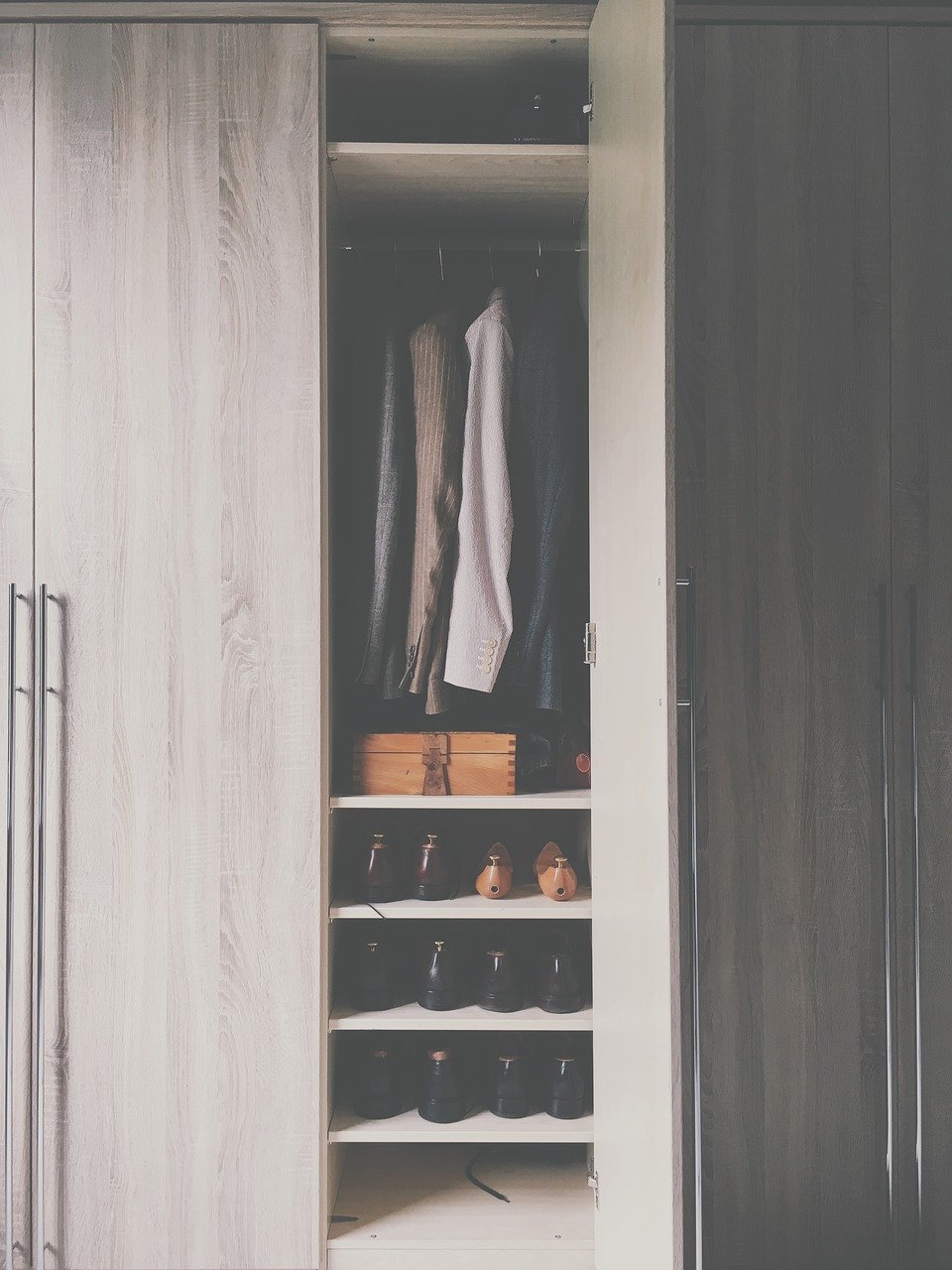
The rod is your prime real estate, so treat it that way. Hang the longest coats on one side and the shorter jackets toward the middle or other end. That layout leaves open wall and floor space beneath the short jackets, which is perfect for a low shelf or a bin.
Bulky puffers and wool coats can bend cheap wire hangers out of shape in one season. Sturdy hangers keep shoulders from stretching, and matching hangers make the rod look calm instead of chaotic.
Heavy-duty wooden coat hangers are worth the small upgrade here, because thin plastic and wire ones sag under a wet down jacket. A uniform set also frees up a surprising amount of rod width.
Add a low rod for kids
If children share the closet, a second, lower rod or a row of low hooks is the single best change you can make. When kids can reach their own coat, they hang it up themselves, and the adults stop being the coat valet. Keep the adult coats on the higher bar and leave the low zone for the shortest jackets.
Step 3: How Do You Store Hats, Gloves, and Scarves?
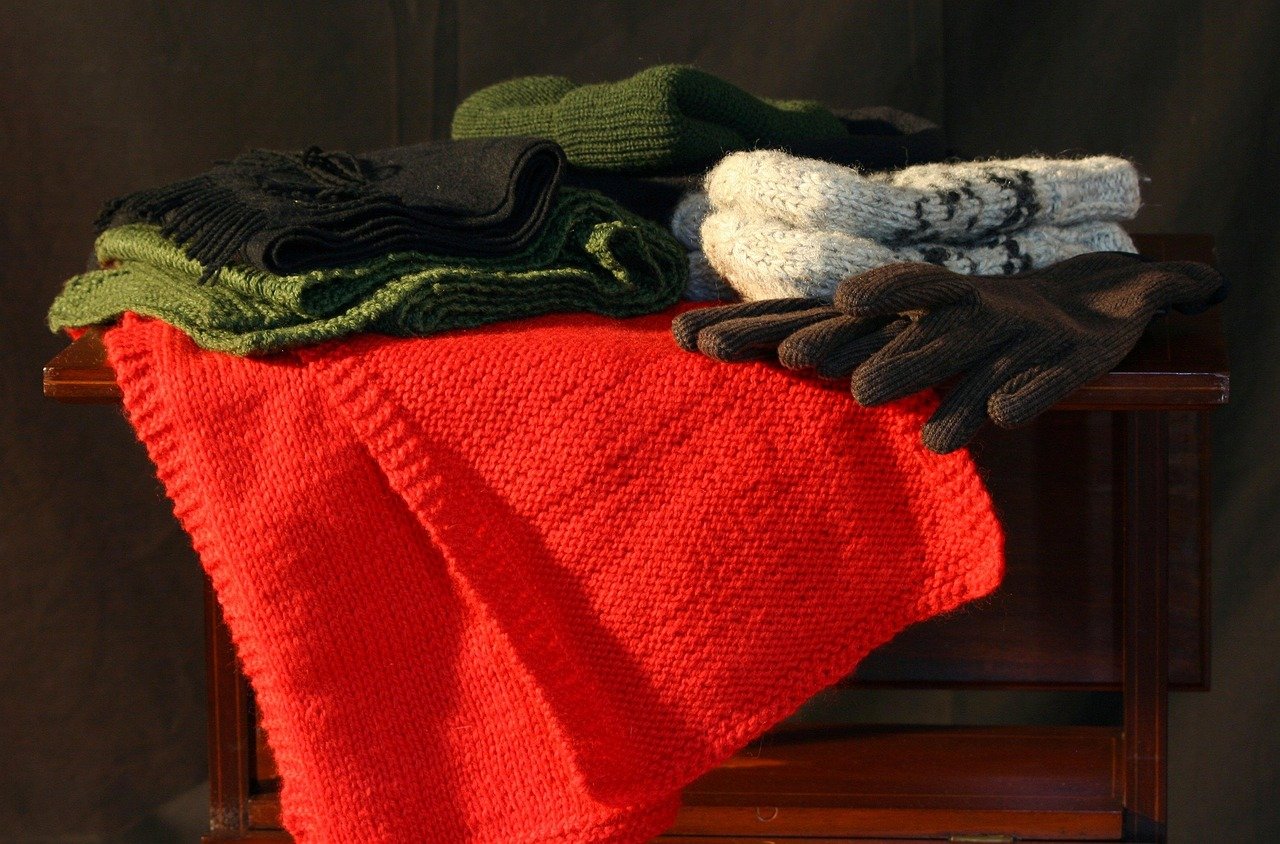
Small accessories are what wreck a coat closet, because they have no natural home. Give them one. The shelf is the obvious spot: as Brown writes, “Your closet’s shelf is the place for hats, scarves and gloves.” Fold scarves by color, and corral hats and gloves into bins so they stop migrating to the floor.
Clear, labeled bins are the easiest way to keep a shelf readable, and they matter more than the fanciest organizer. For a deeper look at why buying too many bins backfires, read that first and measure your shelf before ordering anything. Aim for a few bins, not a dozen.
Clear stackable bins with lids let you see hats, gloves, and scarves at a glance, and the lids keep dust off. Check the current price and measure your shelf depth before you buy.
Give each person a bin
With a family, one bin per person works better than one bin per item type. Everyone’s gloves, hat, and scarf live in the same labeled container, so a morning rush turns into a one-grab job. For households where someone loses things constantly, open bins, big labels, and fewer steps work best.
Step 4: Handle Boots, Mats, and Wet Gear
Winter’s real enemy is moisture. Wet boots and dripping coats make the whole closet smell and can warp shelves and flooring over time. The fix is to give wet things a place to drip before they go anywhere else.
Put boots on the closet floor over a mat or tray. The Extra Space team notes in its winter entryway storage guide that “laying down a durable, waterproof rug is a great way to protect your floors, catching all the slush.” Boots store best upside-down on a rack or standing with a boot shaper inside so the shafts do not flop and crease.
A waterproof boot tray with a raised edge catches melting snow and salt, so the closet floor stays dry and you can wipe it clean in seconds.
Use hooks so bulky coats dry faster
A heavy, damp coat crammed between others stays wet for a day. The same Extra Space guide recommends that “sturdy hooks are perfect for your bulkiest coats and can help them dry out faster.” If you have an open entry nearby, hang the everyday coats there and keep the closet for the rest. Our guide to building a DIY mudroom bench with cubbies is a good weekend project if you want that drop zone built in.
An over-the-door hook rack turns the back of the closet door into free storage for umbrellas, dog leashes, and tote bags without any drilling. Look for a rack that fits your door thickness.
Step 5: Use the Door and the Floor Wisely
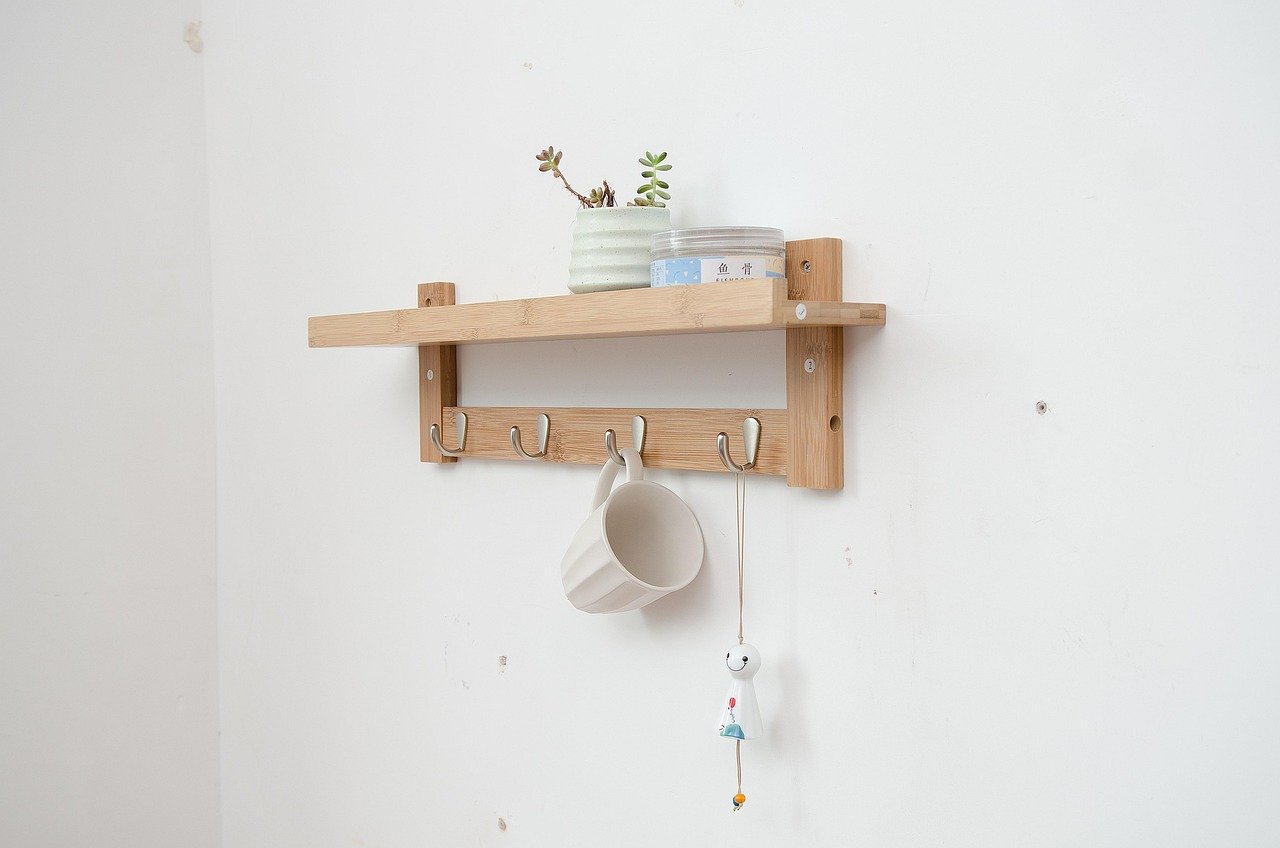
The door is the most wasted surface in the closet. Add a hook rack or a narrow organizer and you suddenly have room for the small items that used to land on the shelf. Adhesive hooks are a renter-friendly option when you do not want to drill.
On the floor, a small shoe shelf or a modular drawer, labeled with each family member’s name, keeps daily shoes from becoming a heap. Stay realistic: if you need more than one or two pairs per person, the rest belongs in a bedroom closet.
A battery-powered motion-sensor light is a small upgrade that matters on dark mornings. A deep coat closet is full of shadows, and a stick-on light means you can find the right glove without dragging everything out.
Should You Keep Everything You Own in the Closet?
No. A coat closet works because it is edited. If you have off-season coats or extra layers, move them. Public Storage notes that “clean and dry clothing is easier to put away and more pleasant to unpack next season,” and its winter clothes storage tips also suggest labeling containers by broad category, such as winter coats or sweaters and thermal layers, instead of using one giant bin.
If your closet is still overflowing, consider whether you need a second zone. Many homes do better with everyday coats on hooks by the door and the closet reserved for guests and bulky extras. Our roundup of closet storage finds covers ways to add that second zone without remodeling.
A Simple Weekly Reset Routine
Even a perfect system drifts. The trick is a two-minute reset, not a big overhaul. Once a week, usually Sunday night, I do the same four things:
- Hang up anything on the floor or the bench.
- Pull out wet items and let them dry before putting them back.
- Pair stray gloves and drop the orphans in a lost-and-found bin.
- Empty pockets and check the bins for overflow.
Keep one small “maybe” bin for items you are unsure about. If nothing comes out of it in a month, donate it. That one habit does more to protect the system than any product.
Frequently Asked Questions
How do you organize a small coat closet?
Keep only in-season outerwear in a small coat closet and move everything else out. Use slim hangers or sturdy wooden ones, add a shelf organizer for hats and gloves, hang hooks on the back of the door, and store only a few daily shoes on the floor. Anything you have not used this winter should go.
What should you keep in a coat closet?
Keep this season’s coats, hats, scarves, gloves, umbrellas, and a few everyday shoes. Items that are not part of your winter routine, such as vacuums, wrapping paper, or off-season clothes, should live elsewhere. Anything stained, torn, or broken, like single gloves and broken umbrellas, should be tossed or repaired before you start.
How do you store winter boots in a closet?
Let boots dry completely first, then stand them on a waterproof tray or boot rack on the closet floor. Stuff tall boots with clean socks, scarves, or boot shapers so they keep their form. Keep the boots you wear daily within reach and store extra pairs in labeled containers elsewhere.
How do you keep a coat closet from smelling musty?
Moisture is the cause, so never hang or store damp coats or boots. Let them dry on hooks or a tray first, use a waterproof mat to catch melting snow, and keep the door cracked or the closet ventilated when you can. Wipe the floor weekly and wash accessories before they go into bins.
Your coat closet does not need to look like a magazine to work. Start with the empty-it-out step this weekend, give hats and gloves one labeled bin per person, put a waterproof tray under the boots, and add door hooks for the umbrella and bags. Do those four things, and by the next cold snap you will find your parka on the first try.