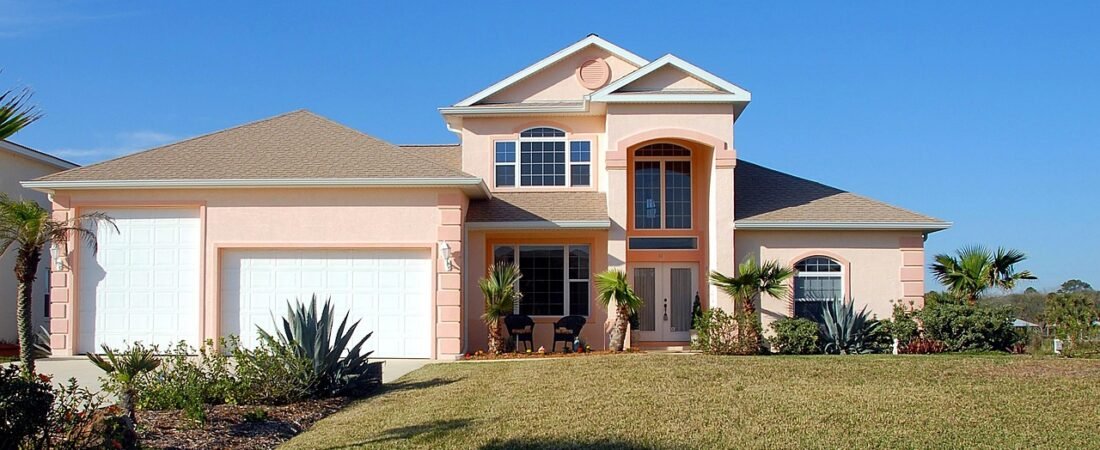
My friend Priya texted me a listing last month with the caption “what if.” Not a ring emoji, not a moving-in-together-as-a-couple thing — a three-bedroom bungalow forty minutes outside the city, split three ways between her, her college roommate, and a coworker none of us had met yet. I laughed at first. Then I did the math on my own rent versus a third of that mortgage, and I stopped laughing. That conversation is apparently happening in group chats all over the country right now, and it’s starting to show up in the way houses themselves are built.
This isn’t the multigenerational-household story you’ve read a dozen times this year, where adult kids move back in with parents or a family adds an ADU for grandma. This is something stranger and newer: unrelated adults with no romantic or blood connection, pooling their savings and their names on a single deed, and asking builders and architects for houses that treat them as equals. It’s changing floor plans, and it’s worth understanding whether you’re the one doing the co-buying or just trying to make sense of why “dual primary suite” keeps showing up in listings near you.
The Numbers Behind the Shift
The scale of this is bigger than a few viral TikToks about friend groups buying farmhouses. According to CoBuy’s 2026 National Co-Buying & Co-Owning Report, 31.5% of U.S. home purchases now involve co-buyers, and an estimated 64 million Americans currently co-own a home with someone who isn’t a spouse. Of the people actively co-buying right now, 61% are purchasing with friends rather than family, and the average co-owner group size is 3.7 people. That’s not a rounding error in the housing market — it’s a meaningful chunk of transactions being structured around households that don’t fit the nuclear-family floor plan builders have defaulted to for seventy years.
Attom Data Solutions, tracking deed records, found that homes purchased by people who don’t share a last name increased 772% between 2010 and mid-2026 — a number cited by NBC News in its reporting on the trend. Some of that growth reflects unmarried romantic partners buying together, sure, but real estate agents and researchers increasingly point to friend groups as a fast-growing slice of it. Daryl Fairweather, chief economist at Redfin, has noted that as affordability has tightened, buyers are getting creative about who they buy with, not just what they buy.
Why Now: The Math Stopped Working for Solo Buyers
None of this is happening because people suddenly decided communal living sounds fun. It’s happening because the traditional path — a couple, two incomes, one mortgage — has gotten mathematically brutal for a huge swath of would-be buyers. The median age of a first-time homebuyer hit 40 in 2025, an all-time high, according to data reported by Upworthy citing National Association of Realtors figures, and first-time buyers made up just 21% of all purchases that year, a historic low. Mortgage rates have nearly doubled since the pandemic. Apartment List has found that 63% of millennials lack sufficient savings for a down payment, and Experian puts average millennial debt loads around $90,000.
Kate Wood, a lending expert at NerdWallet, put it plainly to Fox Business: “What we’re seeing rising now is co-buying between friends. Or people who are family members, but basically buying a home with someone that you’re in a non-romantic relationship with.” She connected it directly to how “incredibly expensive” housing has become, framing co-buying as a practical response rather than a lifestyle trend. Kristina Modares, a co-buying strategist at the platform Joynt, described trying and failing to buy a home alone at 23 because she “couldn’t get approved for a mortgage,” and now helps other buyers structure joint purchases. Her read on the moment: “The American dream is really being re-imagined in many ways.”
What Co-Owners Actually Want From a House

Here’s where this becomes a design story and not just a real estate one. When CoBuy asked people already co-owning homes what they needed help with, 96% of active co-buyers said they needed support drafting a formal co-ownership agreement, and 73% wanted legal help navigating the purchase — a 21-point gap compared to people who’d already closed, the largest support gap CoBuy tracked across any category. That’s a household structure being built from scratch, legally and spatially, without much of a template to copy from.
The wish-list data backs this up. A survey of Gen Z and millennial women cited by Upworthy found that 48% would consider buying with a friend, and when asked what they wanted from a shared home, the top requests were a large garden (44%), a walk-in wardrobe (39%), an open-plan kitchen and living space (31%), and — tellingly — a “joy room,” a dedicated space for relaxation or hobbies that isn’t shared square footage, cited by 16%. That last one is the detail that should catch a designer’s eye: co-owners aren’t asking for a bigger house so much as a house with more places to be alone in it without leaving.
The Floor Plan Is the Real Story

Talk to anyone who’s actually done this and the design priorities come into focus fast. NBC News profiled three co-owners in Gallatin, Tennessee — Amanda Schneider, Kathy Keel, and Stephanie Vandergrift, all around 30 — who bought a three-bedroom, 2.5-bath house on 1.25 acres for $315,000, splitting the mortgage three ways. “We split everything three ways, so it’s cheaper to live,” one told NBC. The house had a bonus room and a finished garage, giving each of them a version of private space beyond just a bedroom door.
That’s the pattern showing up across co-buying households: demand for houses where no one’s suite reads as the “good” one. Builders have started marketing dual-primary-suite layouts — two roughly equal bedroom-and-bathroom combinations instead of one primary suite and smaller secondary rooms — as a selling point for exactly this buyer. It’s a different ask than the multigenerational ADU trend, which is built around separating households (parents in the main house, adult kids or aging relatives in a semi-detached unit). Co-buying households generally want to share the core of the house — the kitchen, the living room, the yard — while making sure the private zones are interchangeable rather than hierarchical. It’s egalitarian architecture, basically, dressed up as a real estate transaction.
The Friction Points No One Puts in the Listing Photos
It would be dishonest to write this up as pure upside. CoBuy’s data shows real strain points: only about 44% of co-owner groups plan an even split of ownership, 24% plan uneven splits tied to who put in more cash, and roughly a third are still undecided on the structure even after buying. Sixty-five percent of active co-buyers say they need help figuring out an exit strategy before they’ve even closed — what happens when one person wants out, gets a new job across the country, or, in the case of friends who started dating each other after moving in, the household dynamic changes entirely.
A licensed counselor quoted in coverage picked up by Upworthy made an observation worth sitting with: “We often think of friendship as a social luxury,” implying that turning it into a financial and legal partnership changes its texture, for better or worse. That’s precisely why 96% of co-buyers want a co-ownership agreement drafted before move-in — a document that spells out who pays for what repair, how a buyout works, and what happens if someone stops paying their share. The houses are getting smarter about accommodating multiple adults as equals. The legal paperwork is having to catch up just as fast.
What This Means If You’re Designing or Buying for It
If you’re renovating a house with resale to co-buyers in mind, or you’re one of the growing number of people actually doing this, the data points toward a few concrete moves. Two comparable primary suites beat one large primary and a string of small bedrooms — it signals equal footing from the moment buyers walk in. A generously sized kitchen and living area matters more than it would in a single-family layout, since that’s the room the household will actually share, echoed by the 31% who specifically wanted open-plan kitchen-living space. And a flex room — office, den, whatever you want to call the “joy room” — gives each resident somewhere to close a door that isn’t their bedroom.
None of this requires demolishing anything. A lot of existing housing stock, especially older homes with a finished basement, bonus room, or detached garage, already has the bones for this kind of split. The renovation dollars aren’t going toward some radical reinvention of the house; they’re going toward making an existing floor plan read as fair to three or four unrelated adults instead of one family.
The Bigger Picture
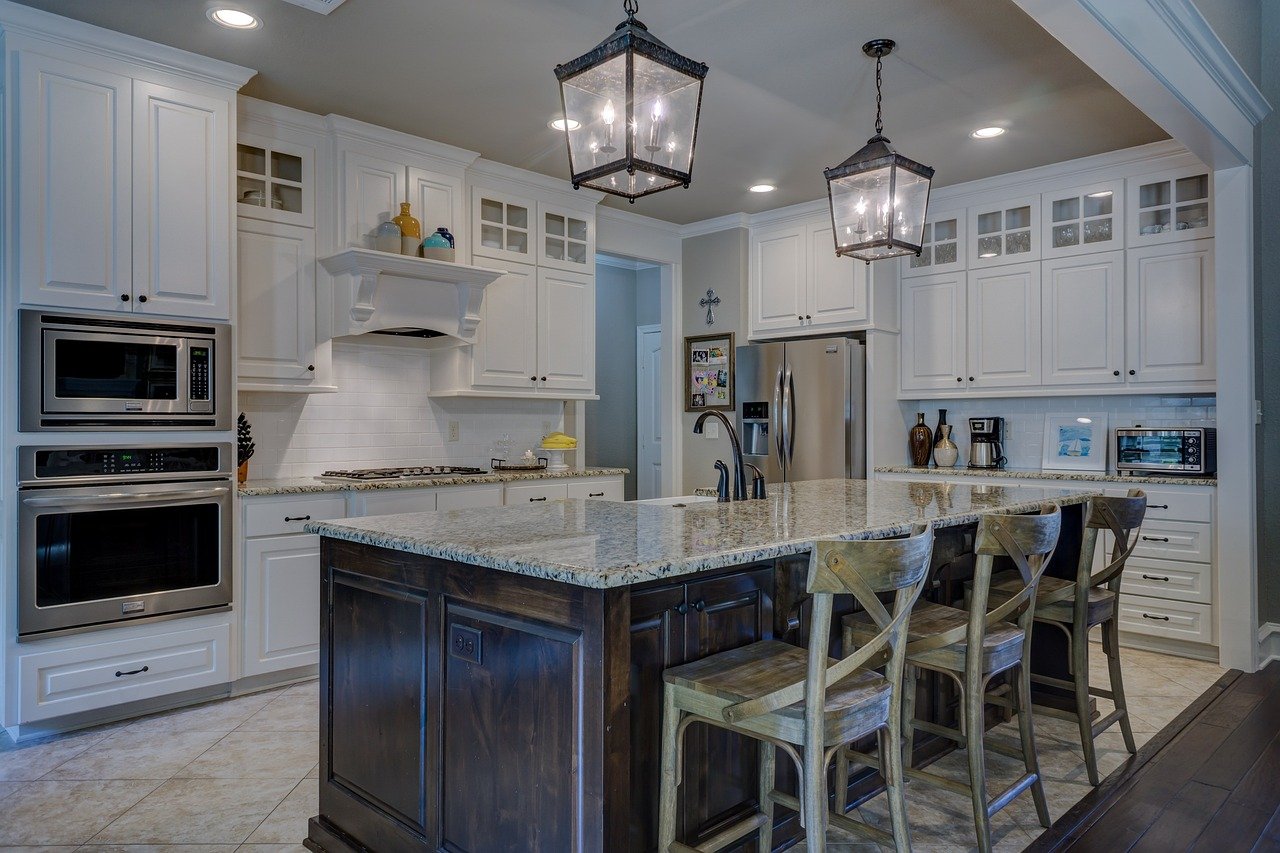
What’s happening with co-buying isn’t a niche curiosity — it’s 31.5% of home purchases and 64 million co-owners telling the housing market something about what “afford a home” now actually requires. The house itself is responding: builders pitching dual suites, renovators carving out bonus rooms into private retreats, and buyers treating floor plans as a negotiation between equals rather than a hierarchy built around one head of household. It’s not that Americans stopped wanting privacy or ownership. It’s that the version of the American dream where you get both of those things solo has gotten too expensive for a lot of people to reach alone — so the house is being redesigned to make reaching it together actually livable.