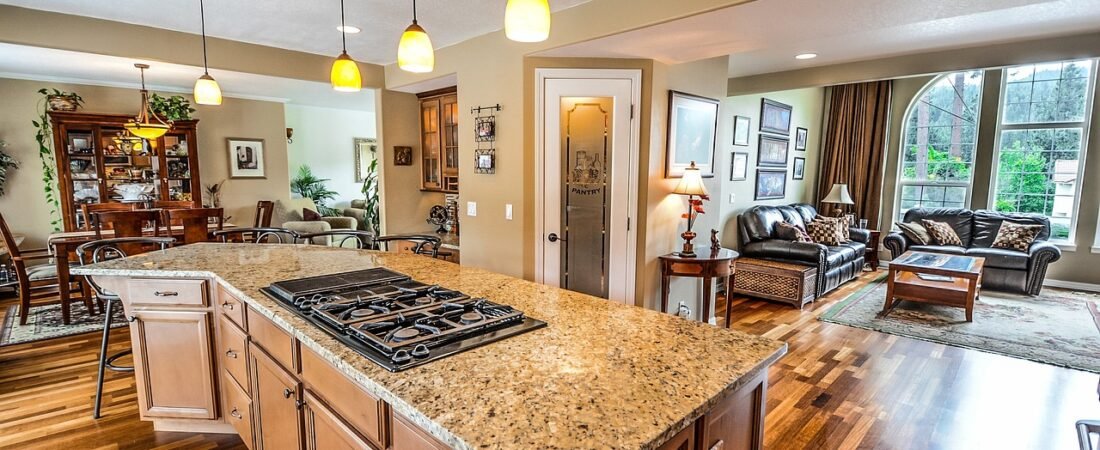
Picture the particleboard dresser that showed up flat-packed on your porch three years ago. One drawer already sticks, a corner has chipped down to raw fiberboard, and replacing it means another cardboard box, another delivery van, another piece bound for a landfill within the decade. Now picture the alternative sitting in your parents’ basement: a solid oak chest, edges softened by sixty years of use, drawers still gliding smooth. In 2026, more homeowners are choosing option two — not because vintage is trendy, but because it works, it lasts, and it doesn’t need replacing every time a lifestyle changes.
This is the year sustainable design stopped meaning “buy the eco-labeled version” and started meaning something simpler: buy less, buy better, and keep what you already own in circulation longer. From secondhand marketplaces to upholsterers with waitlists to a new generation of buy-it-for-life furniture makers, the industry’s biggest shift right now isn’t a color palette. It’s a mindset.
The Fast-Furniture Reckoning
Furniture has quietly become one of the most disposable categories in American homes. The U.S. Environmental Protection Agency estimates that more than 12 million tons of furniture are discarded every year, and only a sliver of it is ever recycled — the rest goes straight to landfill, much of it barely a few years old. Particleboard doesn’t take refinishing well, laminate veneers peel rather than repair, and glued joints fail in ways solid joinery never would. The furniture wasn’t built to last, so it didn’t.
Designers have been pointing out for a while now that the “trend cycle” approach to home decor — refresh the living room every time a new aesthetic goes viral — was always going to hit a wall. In 2026, that wall is showing up as decision fatigue, cluttered storage units, and a growing embarrassment around how much stuff gets replaced simply because it went out of style. The response isn’t minimalism for its own sake. It’s a recalibration of what’s actually worth bringing home.
Secondhand and Vintage Take Center Stage
Resale platforms built specifically for furniture and design — Chairish, 1stDibs, AptDeco, and the ever-sprawling Facebook Marketplace — have moved from niche hobby to mainstream first stop. Interior designers who once treated vintage sourcing as a specialty skill now build entire projects around estate sales, auction houses, and consignment shops, mixing eras rather than matching a single showroom look.
Part of the appeal is financial: a well-made mid-century credenza or a hand-knotted vintage rug often costs less than its new, mass-produced equivalent, and it arrives with a patina no factory finish can fake. Part of it is environmental — every secondhand purchase is one less new item manufactured, shipped, and eventually landfilled. And part of it is simply that older furniture, especially anything made before the 1980s, tends to be built from solid wood with real joinery rather than staples and particleboard, so it survives another household without much fuss.
Repair Culture Returns
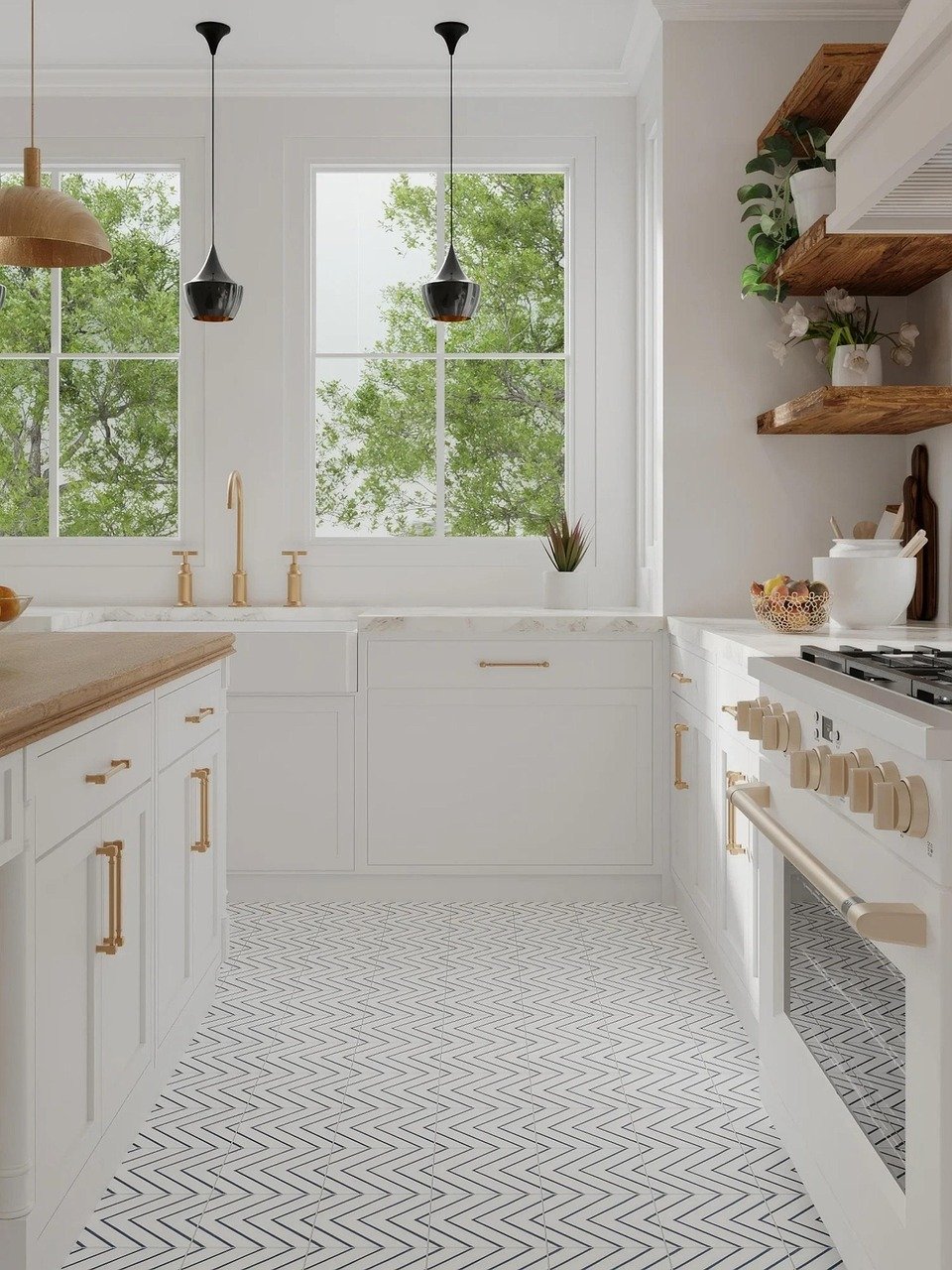
For decades, it was often cheaper to replace a broken chair than to fix it. That math is starting to reverse, and not just because of cost — people want their things to last. Upholsterers, cabinet makers, and furniture restorers in cities across the country report longer waitlists than they’ve seen in years, as homeowners bring in dining chairs to be reupholstered, wobbly tables to be reglued, and leather sofas to be reconditioned instead of hauled to the curb.
Community repair cafes — volunteer-run events where people bring in broken furniture, lamps, and small appliances to fix alongside skilled hobbyists — have expanded well beyond their European origins into American towns and neighborhoods. The appeal isn’t only sustainability; there’s real satisfaction in extending the life of something you already love, and in learning enough to do small repairs yourself. A tightened screw, a reglued joint, or a new coat of oil on tired wood can buy a piece another decade of use.
Investment Pieces Over Impulse Buys
The other half of buying less is spending differently on what you do buy. Rather than furnishing a whole room in one big-box haul, more homeowners are budgeting for one or two genuinely well-made pieces a year — a solid wood dining table, a well-built sofa with a hardwood frame and replaceable cushions, a rug meant to be walked on for a generation. These purchases cost more upfront, but the math changes when you compare a $400 sofa that sags in three years against an $1,800 sofa still going strong after fifteen.
This isn’t about luxury branding. It’s about construction: kiln-dried hardwood frames instead of pine or particleboard, mortise-and-tenon or dovetail joints instead of staples and glue, natural latex or down fill instead of fast-compressing foam, finishes that can be sanded and reapplied rather than replaced. Buying one honest piece a year, chosen slowly, is quietly replacing the old habit of filling a room all at once.
Natural, Durable Materials
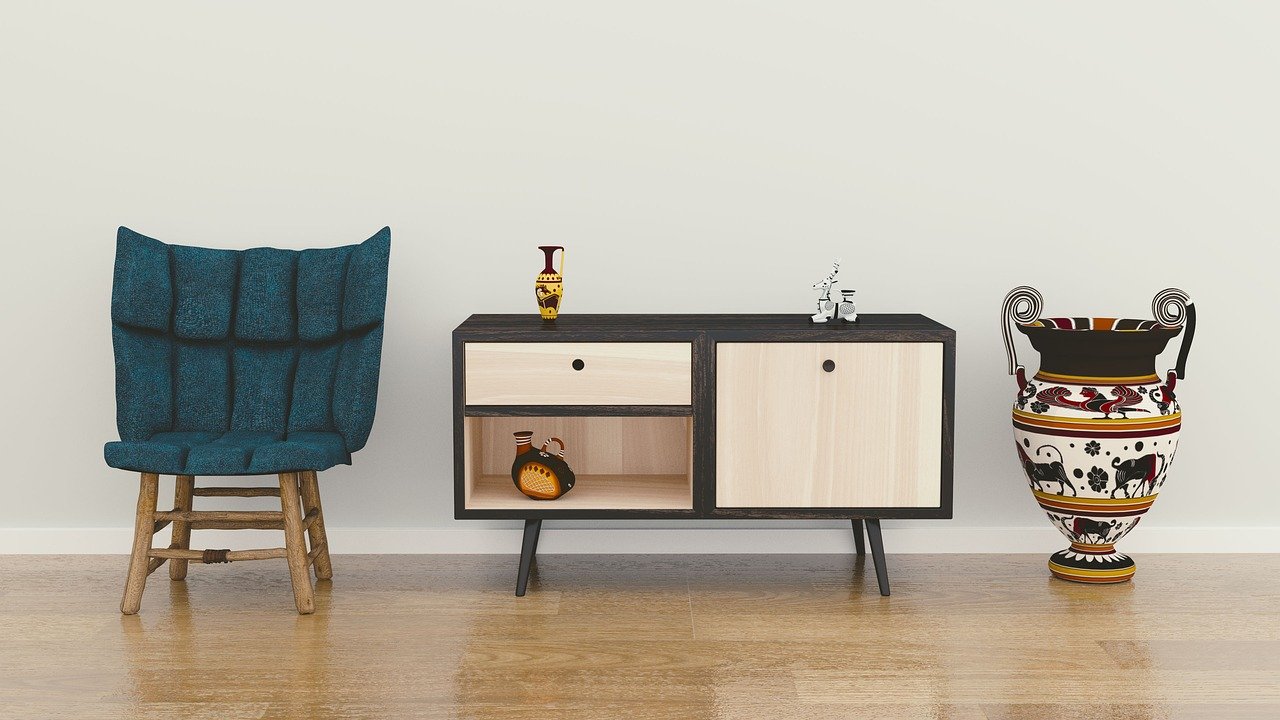
Slow decorating, as some design writers have started calling this shift, leans hard on materials that age instead of degrading: solid wood, leather, linen, wool, stone, and rattan. These materials develop character over time — a leather chair darkens and softens, a linen slipcover gets more comfortable with every wash, an oiled wood table picks up the small marks of daily life without looking ruined. Compare that to laminate that chips, polyester upholstery that pills, or particleboard that swells at the first sign of moisture, and the appeal of natural materials stops being about aesthetics alone.
It also means fewer replacements down the line. A well-cared-for wool rug can last thirty years or more; a synthetic equivalent is often replaced within five. Choosing natural, repairable materials from the start is one of the simplest ways to buy less over the life of a home, even if it means spending a bit more per item today.
How to Start Buying Less at Home
None of this requires an overnight overhaul. A few practical starting points: before replacing anything, ask whether it can be repaired, reupholstered, or refinished first. When you do need something new, search secondhand and vintage listings before browsing catalogs — give it a week, not an hour. Set a rule for yourself, like one considered purchase per season instead of frequent small ones. And when you do buy new, ask about the frame material and joinery, not just the fabric on top; that’s what determines whether a piece is still around in twenty years.
None of this means your home has to look dated or sparse. The rooms built this way tend to look more finished, not less — a mix of eras and textures that couldn’t be replicated by ordering a matching set. The real shift in 2026 isn’t about owning fewer things for the sake of a number. It’s about every piece in the room earning its place, built or chosen to last long enough that you stop thinking about replacing it at all.