
Walk through an open house this fall and listen to what the families ahead of you ask. It is not only about school districts anymore. It is whether the downstairs office could become a bedroom for Grandma, whether the basement has its own door, and whether the garage could hold a small apartment for a grown son who is saving for a down payment. Multigenerational home buyers have moved from a niche to a regular part of the market, and they shop very differently from everyone else.
The headline number moved in 2025, though, and the details behind it are more interesting than the headline. This guide pulls together the latest National Association of Realtors data, a few other verified sources, and a practical checklist for anyone considering a home that has to work for several generations at once.
How Many Multigenerational Home Buyers Are There in 2026?
About 14% of U.S. home buyers purchased a multigenerational home in 2025, down from a record 17% in 2024, according to the National Association of Realtors. The share slipped, but cost savings and caregiving still drive these purchases, and they keep shaping what families look for in a floor plan.
Those figures come from NAR’s multigenerational homes analysis, published in November 2025 by research analyst Amethyst Marroquin. NAR’s 2026 generational report, released in April, tells the same story: multigenerational purchases fell to 14% of all buyer purchases, from 17% the year before.
A dip does not mean the trend is over. A year earlier, NAR had reported that 36% of these buyers named cost savings as their main reason, up from just 15% in 2015. That is a long climb, and the pressures behind it have not gone away.
Which Generations Are Buying Homes Together?
Gen X remains the center of this market, but the younger end is growing. In NAR’s 2026 generational report, the share of buyers choosing a multigenerational home looked like this:
- Gen X: 19%, down from 21%
- Silent Generation: 16%, down from 21%
- Older millennials: 14%, up from 12%
- Younger boomers: 14%, down from 15%
- Older boomers: 11%, down from 13%
- Younger millennials: 9%, up from 7%
Only the two millennial groups moved up. That fits what other reporting shows: younger buyers are reaching for help wherever they can find it. Our look at the bank of mom and dad funding 2026 home purchases shows the same instinct, and RISMedia’s coverage of the NAR report notes that 55% of younger millennial multigenerational buyers (ages 27 to 35) cited cost reduction as their motivation.
Why Gen X Leads
Florida Realtors, summarizing NAR’s data in June 2026, found that Gen X multigenerational buyers had a median household income of $125,000, second only to older millennials. About 60% were married couples, and the median home size was 1,900 square feet, tied for the largest of any generation. Another striking number: 83% saw homeownership as a good financial investment, the highest of any age group.
Their reasons are split almost evenly. Among Gen X buyers, 36% cited adult children moving back in and 35% cited the need to care for aging parents. They are, in other words, buying for both ends of the family tree at once.

Why Are Families Buying One Home for Several Generations?
NAR’s November 2025 analysis breaks the motivations down in detail, and caregiving comes out on top. Among recent multigenerational buyers:
- 41% cited caring for or supporting aging parents
- 27% bought to accommodate adult children moving back home
- 23% wanted mainly to spend more time with their parents
- 21% had adult children who never left
- 12% cited grandchildren living in the home
- 6% were motivated by reducing childcare costs
The households are also fuller than average. About 34% of multigenerational buyers have children under 18 at home, and more than one in four have three or more income earners, compared with 11% of traditional buyers. Their median household income, $109,300, was nearly identical to the $109,000 median for all buyers. In plain terms, these families are not unusually wealthy. They are pooling resources.
NAR sorts the trend into four family types: caregiver families, boomerang families, economically driven families, and childcare-support families. Which one you are matters, because each needs something different from the house.
What Should You Look for in a Multigenerational Home?
A multigenerational house is judged less by square footage than by how well it separates and connects people. A Planetizen report from January 2026, citing the Home Buying Institute, lists the features builders are adding: semi-detached units with separate entrances, more square footage, independently controlled climate systems, and dedicated multi-gen floor plans.
Lennar’s Next Gen design, introduced in 2011, is the best-known example. It pairs a main house with an attached private suite that has its own entrance, kitchenette, living room, bedroom, and bathroom. You do not have to buy new construction to get the idea, though. Use this checklist when you tour any home:
A Bedroom and Full Bath on the Main Floor
This is the single most useful feature for an older parent, and for anyone recovering from a knee replacement. A den or office near a bathroom can often be converted. A home office that works today can become a bedroom later if the plumbing is close.
A Second Entrance and a Second Kitchen Zone
Separate entrances give adults their own rhythm. Even a kitchenette with a sink, small fridge, and microwave reduces daily friction. A finished lower level is a natural candidate, and our guide to basement upgrades that turn it into a retreat shows how to make that space feel like a real home rather than a leftover.

Zones for Quiet and for Noise
Teens, remote workers, and grandparents who nap all share one roof. Look for bedrooms that do not share walls with the living room, a door that closes on the main hallway, and at least two places to sit that are not the kitchen table.
Are ADUs the Answer for Multigenerational Living?
For many families, a backyard cottage or garage apartment is the simpler path. AARP’s 2024 Home and Community Preferences survey found that one in four homeowners aged 50 and older have considered building an accessory dwelling unit on their property. According to AARP, 22 states have passed or updated ADU-enabling laws with its support, and construction cost remains the main barrier.
One AARP profile shows the upside. Marianne Kelly, 72, moved into a 408-square-foot apartment at her daughter’s home in Johnston, Rhode Island. She told AARP: “I have all the privacy I want. I have experienced some serious medical issues and am well taken care of.”
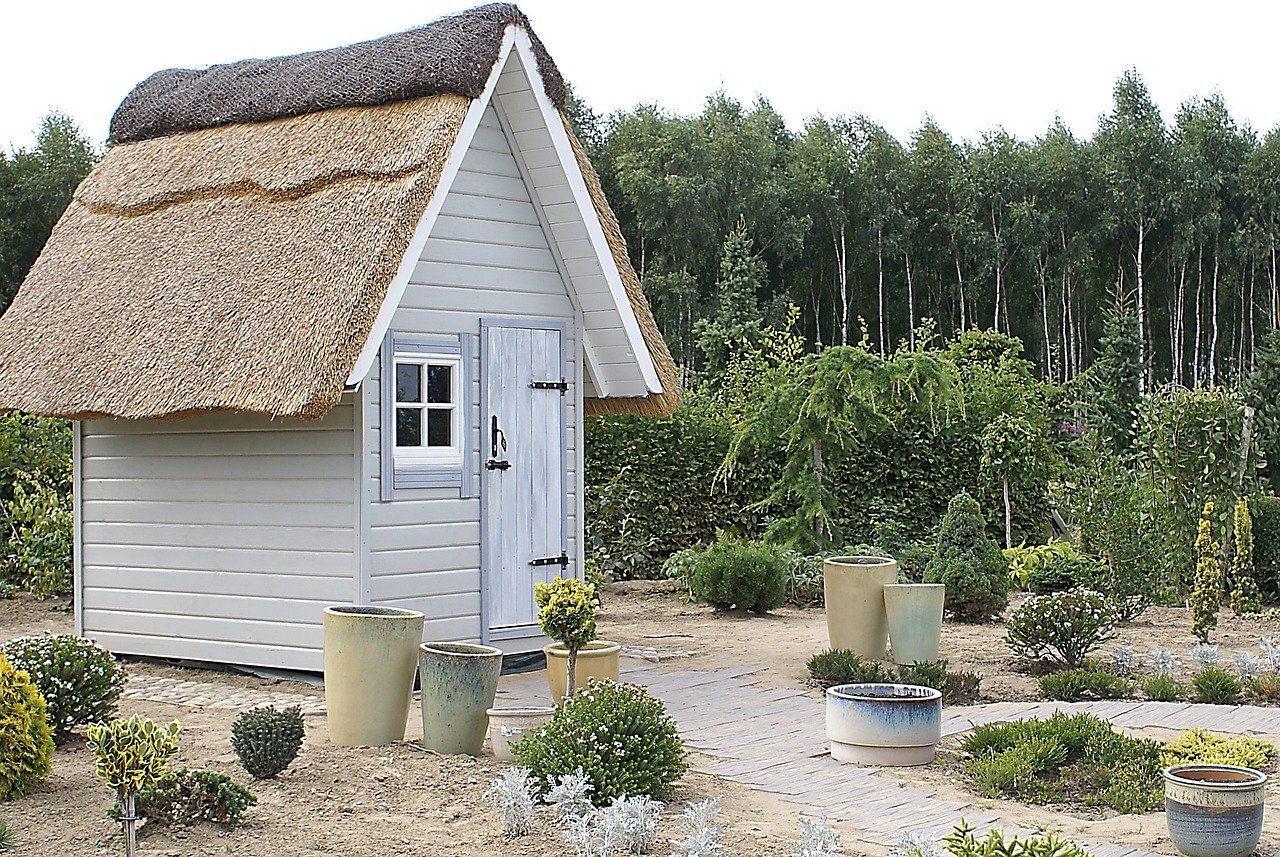
The bigger context: the 2020 Census counted about 6 million multigenerational households, up from roughly 5.1 million in 2010, according to the Planetizen summary. Before you fall in love with a property, check local zoning, because rules on ADUs, extra kitchens, and rental use vary widely. For more on design options, see our guide to multigenerational home design trends.
Is a Multigenerational Home Right for Your Family?
Florida Realtors notes that these purchases involve more than a typical sale: floor plan flexibility, zoning, ADU availability, and managing several family members’ opinions about the decision. That last item deserves real attention.
Before you shop, sit down together and settle a few things in writing:
- Who is on the mortgage and who is on the title?
- How will utilities, groceries, and repairs be split?
- What happens if someone needs to move out, or moves in permanently?
- Which rooms are private, and which are shared?
Co-ownership has its own rules, and our look at co-buying and how it reshapes home design covers many of the same questions. If you are still weighing whether to move at all, why more homeowners are renovating instead of moving is worth a read, since adding a suite can cost less than buying again.
Frequently Asked Questions
What percentage of home buyers purchase multigenerational homes?
NAR reports that 14% of buyers purchased a multigenerational home in 2025, down from a record 17% in 2024. Gen X buyers are the most likely group at 19% in NAR’s 2026 generational report, ahead of the Silent Generation at 16% and older millennials at 14%.
Why are multigenerational homes becoming more popular?
Money and caregiving are the biggest drivers. NAR found 36% of buyers cited cost savings in 2024, up from 15% in 2015, and 41% of recent buyers named caring for aging parents. Adult children moving back home is another major reason, cited by 27% in NAR’s latest analysis.
What features do multigenerational homes need?
The most common features are separate entrances, extra square footage, independently controlled heating and cooling, and a main-floor bedroom and bath. Many builders also offer attached suites with a kitchenette. Check local zoning first, because rules on ADUs and second kitchens differ by city and state.
Are accessory dwelling units a good option for family living?
They can be. AARP found that one in four homeowners aged 50 and older have considered building an ADU, and 22 states have passed ADU-friendly legislation with AARP support. The main obstacle is construction cost, so get quotes and confirm your local permitting rules before committing.
The takeaway is that this market is not simply growing or shrinking. It is shifting. Gen X is still the largest group of multigenerational buyers, millennials are catching up, and caregiving now matters as much as price. If you are shopping for this kind of home, prioritize a main-floor bedroom and bath, a second entrance, and a family agreement on who pays for what, before you ever make an offer.