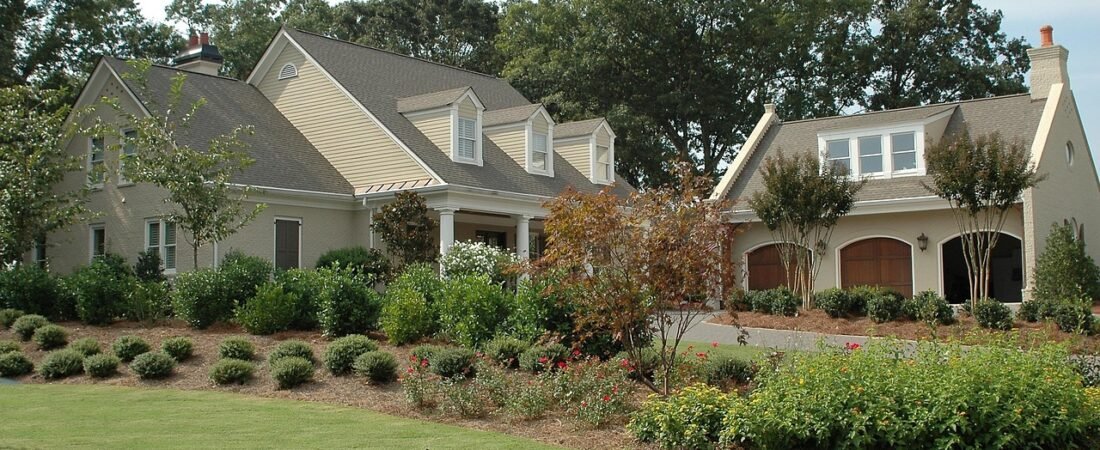
Last month I walked past a five-bedroom colonial two streets from mine, the kind of house I used to fantasize about when my daughter was born and we were crammed into a two-bedroom rental. A single retired couple lives there now, has for almost thirty years, and has no plans to leave. Meanwhile, three separate young families I know are circling the same handful of listings in our school district, losing bidding wars, and settling for smaller homes with longer commutes. It’s not a coincidence. It’s a pattern with a name and a mountain of new data behind it: the Great Housing Mismatch, and it’s quietly reshaping what renovation, design, and homeownership look like in 2026.
The Numbers Behind the Great Housing Mismatch
A landmark Redfin analysis released this year put hard numbers on something agents and demographers have sensed for a while: America’s largest homes are disproportionately occupied by the people who need them least. Empty-nest baby boomers, adults over 60 whose children have moved out, own 28% of the nation’s three-bedroom-plus homes. Millennial families actually raising kids in those bedrooms own just 16% of them. Add in baby boomers living in three-or-more-adult households and boomers collectively control roughly 35% of the country’s large-home stock, while Gen Z parents own less than 1%.
The gap isn’t shrinking on its own. Redfin’s data shows boomers held 27.7% of large homes in 2014 and 27.8% in 2024, essentially flat across a decade in which millennials, now firmly in their prime family-forming years, grew their share from 4.9% to only 15.7%. The Silent Generation’s share fell sharply over the same period as that cohort aged out of homeownership through death or downsizing, but boomers simply moved into the vacuum and stayed.
The financial explanation is straightforward: 57.8% of baby-boomer homeowners, nearly three in five, own their homes outright with no mortgage at all. They locked in low payments decades ago, or paid the house off entirely, and any move now means trading a $0 monthly housing cost for a new mortgage at today’s rates. Meanwhile, roughly a quarter of millennials cite high mortgage rates as the reason they aren’t buying soon, and about one in five say they simply can’t save enough for a down payment in a market where the homes they’d want are occupied by people who aren’t selling.

Why Empty Nesters Are Staying Put
It would be easy to read this as stubbornness, but the incentives to stay are real and, in many cases, larger than the incentives to move. Beyond the mortgage-rate lock-in, there’s a capital gains problem that catches many longtime owners off guard: a homeowner who bought a modest house decades ago for a few hundred thousand dollars and watched it appreciate into the seven figures can face tens of thousands of dollars in capital gains tax the moment they sell, because federal exclusion limits for home sale profit haven’t kept pace with home price growth in high-appreciation markets.
Then there’s the more human obstacle: even boomers who want to downsize often can’t find anywhere appealing to go. Brenda Beiser, a Redfin Premier real estate agent in Philadelphia, put it plainly in comments accompanying the Redfin mismatch report: “Younger buyers are looking to move into single-family homes in specific neighborhoods, those with a family friendly vibe and highly rated schools. The problem is, younger families have a hard time finding those homes because the older people living in them can’t find anywhere they want to move to.” The smaller, single-story, low-maintenance homes that would suit an empty nester well are themselves in short supply, especially in the walkable, amenity-rich neighborhoods many retirees would prefer. So the math resolves itself the same way, over and over: stay put.
This tracks with what a recent HousingWire-reported survey on aging in place found, too: a large majority of seniors say they want to remain in their current homes as they age, but most also report real barriers to doing so safely, from stairs and narrow doorways to bathrooms that were never designed for a walker or a wheelchair. Wanting to stay and being set up to stay well are two different things, and that gap is becoming one of the defining design problems of the decade.
The Ripple Effect: How This Is Reshaping Home Design
The mismatch isn’t just an economics story. It’s rewriting the renovation priority list on both ends of the age spectrum, and the shift shows up clearly in what homeowners are actually asking contractors and designers for in 2026.
On the empty-nester side, renovation dollars are flowing toward staying rather than staging a home for sale. Instead of the pre-listing refresh, homeowners in their sixties and seventies are investing in main-floor primary suites, zero-step entries, curbless showers, wider hallways, and better lighting, all changes aimed at making a large home livable for another decade or two rather than making it marketable next spring. Some are converting underused formal spaces, a rarely touched dining room or a guest wing nobody visits, into a self-contained suite that lets them live entirely on one level while renting or hosting family in the rest of the house. It’s less about downsizing the footprint and more about right-sizing the daily use of the square footage they already have.
On the millennial side, the renovation story looks almost like a mirror image. Locked out of the larger homes they’d eventually like to grow into, many families are instead pouring money into the smaller starter homes they were able to buy, adding a bedroom through an attic or basement conversion, bumping out a kitchen, or finishing a garage into a playroom, because moving up the ladder to a bigger house in a good school district simply isn’t realistic right now. This is one reason renovation spending has stayed resilient even as home sales volume has stalled: households on both ends of the mismatch are choosing to modify the home they have rather than compete for one they can’t get.
It’s also fueling steady demand for accessory dwelling units and basement or garage conversions as a workaround to the mismatch itself. A family that can’t buy the four-bedroom house down the block can sometimes achieve something similar by adding a legal bedroom or a small rental unit to the three-bedroom house they already own, effectively manufacturing more large-home capacity without anyone having to sell.
What the Lock-In Costs the Next Generation
Beyond renovation trends, researchers are starting to quantify what this kind of housing lock-in costs society over the long run, and the picture goes beyond frustrated house hunters. A recent Institute for Family Studies analysis of twelve large metro areas found that neighborhoods with older housing stock have lost a striking share of their child population over the past two decades, as the family-sized homes in those areas increasingly house older residents rather than young families. The piece drew on research showing capital gains exposure alone can cost a longtime homeowner tens of thousands of dollars to sell, a real disincentive layered on top of mortgage lock-in.
Colin Williams, a PhD candidate in economics at the University of Virginia, summarized the stakes in stark terms: “Family-sized housing in safe, high-opportunity neighborhoods is one of the binding constraints on family formation.” In other words, this isn’t only a story about frustrated buyers or comfortable retirees. It’s a structural bottleneck shaping where, and whether, the next generation of families can put down roots at all, which is precisely why the trend matters to anyone thinking seriously about home design and renovation strategy right now rather than waiting for the market to sort itself out.
What This Means If You’re Renovating or House-Hunting in 2026
For homeowners in the empty-nester bracket, the practical takeaway is to treat your current home as a long-term aging-in-place project rather than a temporary stop before a move you may never make. Prioritizing a main-floor primary suite, improved accessibility, and flexible space that can accommodate visiting family or a caregiver tends to deliver more real quality of life than cosmetic updates aimed at a future buyer.
For millennial and Gen Z families stuck competing for a shrinking pool of large homes, the more realistic path in many markets is investing in the home you can actually buy: a smart addition, an attic or basement conversion, or a garage-to-living-space project can functionally deliver the extra bedroom or family room you were hoping to find in a bigger house, without having to win a bidding war you’re statistically unlikely to win in the near term.
- Empty nesters: budget for accessibility upgrades (zero-step entries, curbless showers, wider doorways) before mobility becomes a crisis, not after.
- Empty nesters: consider a main-floor suite conversion so the rest of the home can serve guests, adult children, or rental income.
- Young families: look at ADU, attic, and basement conversion costs in your area before assuming a move-up purchase is the only way to get more space.
- Anyone selling: understand your capital gains exposure before listing a long-held home, since the tax hit can be larger than expected in high-appreciation markets.
The Bottom Line
The Great Housing Mismatch isn’t a temporary market quirk that will resolve itself once rates drop a point or two. It’s the product of decades of appreciation, a tax code that hasn’t kept pace with home values, and a genuine shortage of appealing smaller homes for the people who’d otherwise downsize. Until that changes, the most realistic design trend for 2026 isn’t about a new countertop material or paint color. It’s about two very different generations independently arriving at the same conclusion: invest in the house you’re in, because the house you want may simply not be available. That’s reshaping renovation budgets, contractor waitlists, and floor plans in equal measure, and it’s worth understanding whether you’re the retiree staying put or the young parent renovating a starter home you never planned to keep this long.