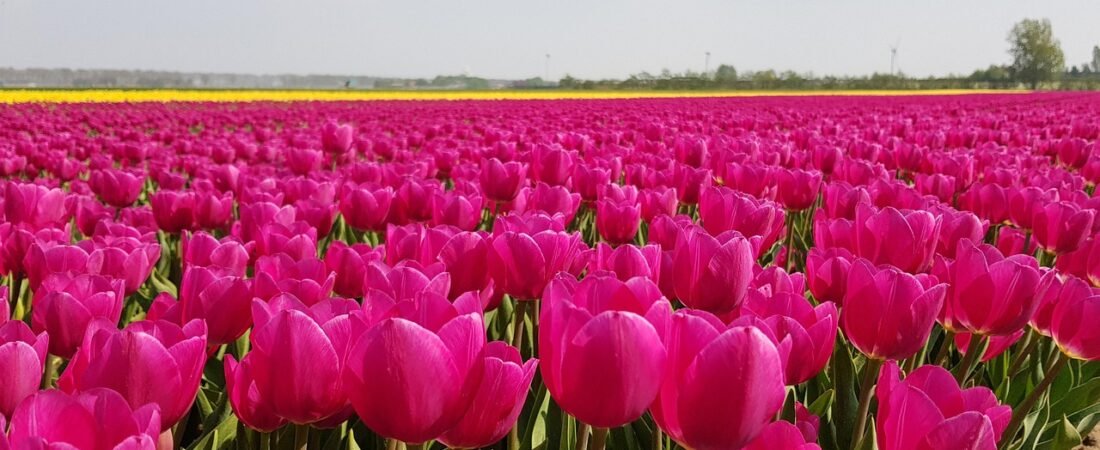
Every October I tell myself I will plant the bulbs early, and every year I find the bag in the garage in mid-November, sprouting a little and looking guilty. Last fall I finally sat down and worked out when to plant spring bulbs for my own zone instead of guessing, and the difference showed up in April: a whole bed of tulips and daffodils where there used to be a few sad stragglers. If you are asking the same question right now, you are in luck, because the window is wide open across most of the country. This guide breaks down the timing zone by zone, the right depth, the bulbs worth buying, and the mistakes (hello, squirrels) that ruin a good bed. As an Amazon Associate, I earn from qualifying purchases, which is why I only link to the tools I would actually put in my own wheelbarrow.
When Is the Best Time to Plant Spring Bulbs?
The best time to plant spring bulbs is in fall, about six weeks before your first hard freeze, once nighttime temperatures hover around 40 to 50°F. In practice that means September in the far north, October in the middle of the country, and November or later in the South. Bulbs need cool soil, not frozen soil.
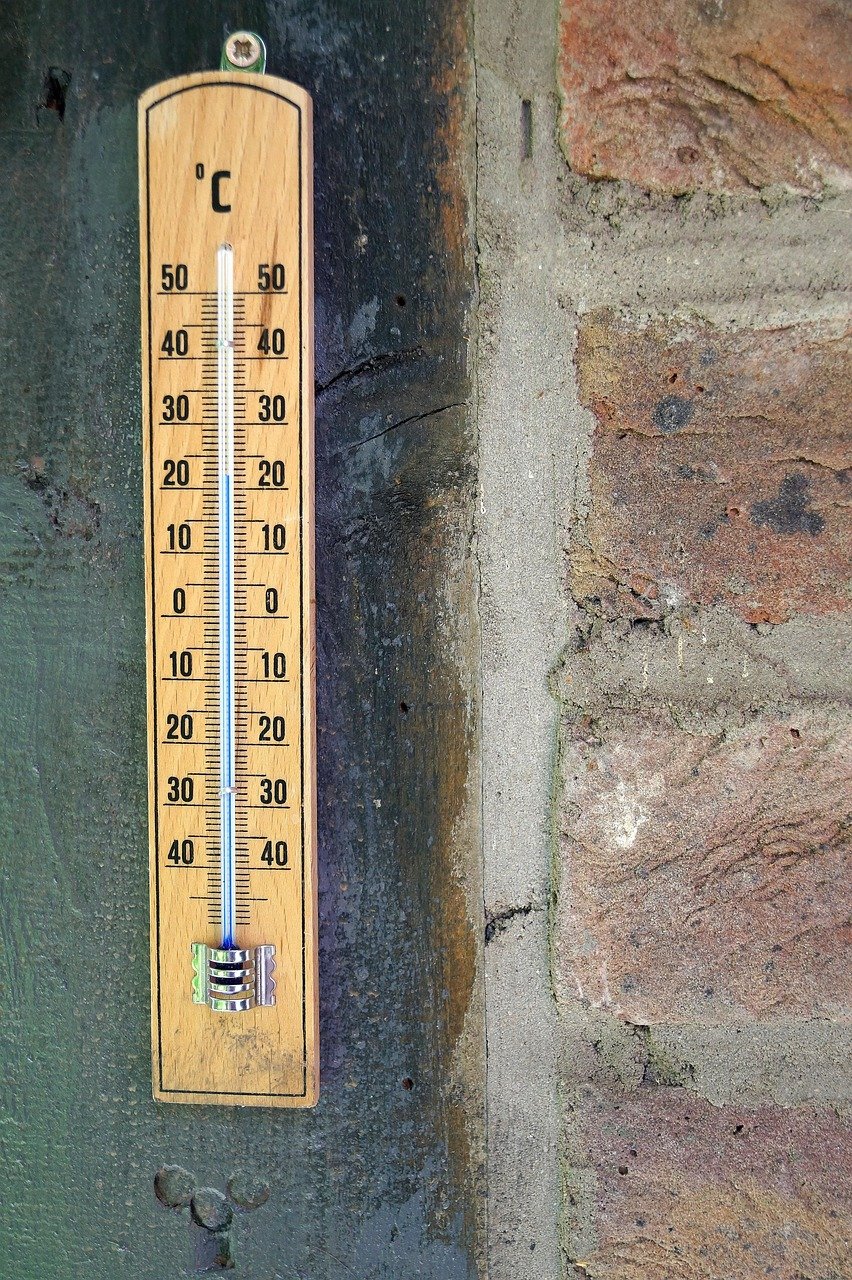
That rule of thumb comes straight from Amber Kanuckel’s fall bulb planting guide at the Farmers’ Almanac, updated in August 2026. Soil temperature is the more precise signal. The University of Nebraska–Lincoln Extension advises planting when soil temperatures fall below 60 degrees, and North Carolina State Extension gives the same 60°F benchmark. If you own a cheap soil thermometer, push it four inches down in the morning and wait for it to read 60°F or lower.
Why does the timing matter? Fall-planted bulbs use the cool weeks before winter to grow roots, then need a long stretch of cold to flower. Plant too early and warm soil can push top growth that winter will punish. Plant too late and the roots never settle in.
Fall 2026 Planting Dates by USDA Zone
Find your zone with the USDA map, then use this table as your starting point. The dates below follow the Farmers’ Almanac guide, and other sources vary by a week or two, so treat them as a window rather than a deadline.
- Zones 3–4: early to mid-September. This is already behind you, so these gardeners should be done or nearly done.
- Zone 5: late September to mid-October. Still possible this week, but finish soon.
- Zone 6: October. You are right in the sweet spot today.
- Zone 7: late October to mid-November. Buy now, plant in a few weeks.
- Zone 8: late November to early December. Plenty of time.
- Zones 9–11: pre-chill bulbs for 12 to 16 weeks, then plant in December or January.
One caution on the warm end. Sources disagree a little on chilling time: North Carolina State Extension cites a 12- to 16-week chilling period for tulips, daffodils, crocus and hyacinths, while Scotts Miracle-Gro suggests 8 to 10 weeks in the refrigerator for warmer areas. Longer is the safer choice for tulips, and the chill needs to be real, not a warm garage.
Zones 3 to 5: plant early, then mulch
In the coldest regions the ground can freeze hard in late October, so aim for September. A layer of mulch after planting helps hold soil temperature steady. Shredded leaves work beautifully here, and if you are weighing the case for skipping fall yard cleanup, a light blanket of leaf mulch over your new bulb bed is the perfect compromise.
Zones 6 and 7: the October and November crowd
This is where most American gardeners live, and it is the easiest timing of all. Wait for a few cool nights, then plant. If you have porch containers still full of color, tuck the bulbs in as you pull the summer annuals. Planning ahead for the fall mum porch displays trending this year is a good moment to also map out where spring color will go.
Zones 8 to 11: chill first, plant later
If winters are mild where you live, tulips and hyacinths will not get enough cold on their own. Buy early for the best selection, chill them in the refrigerator, then plant in winter. North Carolina State Extension notes that in Eastern North Carolina tulips are often treated as annuals that get replanted every year. Daffodils are far more reliable in warm zones.
How Deep Should You Plant Spring Bulbs?
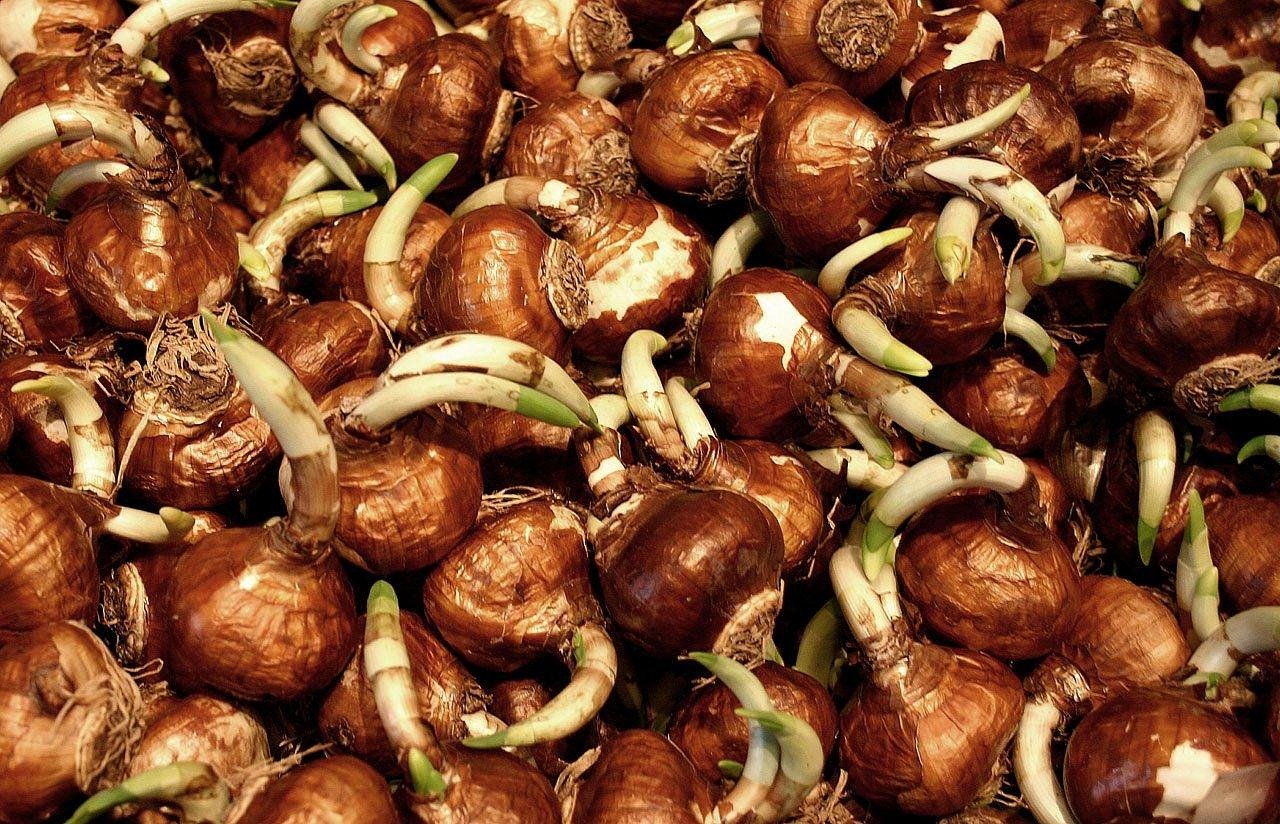
Plant each bulb about three times as deep as it is tall, with the pointed end facing up. That works out to roughly 6 to 8 inches for tulips, daffodils and hyacinths, and 3 to 4 inches for small bulbs such as crocus and snowdrops. Space large bulbs 3 to 6 inches apart.
Depth is the single most common thing beginners get wrong, and it matters for two reasons. Deeper planting protects bulbs from temperature swings, and it also puts them farther from the nose of a hungry squirrel. If you are not sure which end is up, plant the bulb on its side and it will find its own way.
Step-by-step: planting a bulb bed
- Choose a spot with at least six hours of sun. Early bulbs like crocus and snowdrops also do well under deciduous trees because they bloom before the leaves fill in.
- Loosen the soil 8 to 10 inches deep and mix in compost. Drainage is non-negotiable, because soggy soil rots bulbs.
- Dig individual holes or one wide trench, whichever is faster for your bed size.
- Set the bulbs pointy side up at the right depth and cover with soil.
- Water well once to settle the soil, then add a couple of inches of mulch.
Digging dozens of holes by hand gets old fast, and a good bulb planter pays for itself in sore wrists saved. A long-handled version lets you plant standing up, which I wish I had known before I spent a weekend on my knees.
Browse long-handled bulb planters on Amazon and check the current price and reviews before you buy.
Gloves are the other piece of kit I replace almost every season. Fall soil is cold and damp, and bulbs can irritate bare skin, so a snug waterproof pair keeps you out in the garden longer.
See waterproof gardening gloves on Amazon, then compare sizes and read recent reviews.
Which Spring Bulbs Should You Plant in Fall?
The classic fall-planted lineup is tulips, daffodils, hyacinths, crocus and alliums, with snowdrops as a bonus. Dahlias, gladiolus and cannas are the opposite: they are tender, belong in spring planting, and will not survive a cold winter in the ground in most regions.
- Crocus and snowdrops: the first color of the year, often poking through snow. Plant 3 to 4 inches deep.
- Daffodils: the most dependable bulb for beginners, and they naturalize happily over the years.
- Hyacinths: short, fragrant spikes that look great near a front door or walkway.
- Tulips: the showstoppers, though they can fade after a year or two in warm or wet climates.
- Alliums: tall purple globes in late spring that bridge the gap before summer perennials arrive.
For a longer show, mix bloom times. Longfield Gardens recommends combining bulb types that flower in sequence through spring and putting taller varieties such as tulips, daffodils and alliums in back with shorter crocus and squill in front. If you want a restrained look, an all-white scheme of tulips and alliums fits right in with the white garden trend that is everywhere in 2026.
A mixed bag is the easiest way to get there without a spreadsheet. Look for a collection that lists bloom times on the label, so you can layer early, mid and late flowers in the same bed.
Shop fall-planting spring bulb mixes on Amazon and check the bulb size and the current price.
What Are the Most Common Bulb Planting Mistakes?
Planting too early
Warm soil is the enemy. Bulbs that go in during a September heat wave can sprout leaves too soon, and then a freeze nips them. Wait for those cooler nights, even if the bulbs have been sitting in your shopping bag since August.
Storing bulbs badly
If you cannot plant right away, the Farmers’ Almanac suggests keeping bulbs in mesh bags inside paper bags in the refrigerator crisper drawer. Keep them away from ripening fruit, because ethylene gas from apples and bananas can damage the flower inside the bulb. Never leave them in a hot car or a sealed plastic bag.
Letting squirrels and chipmunks help themselves
The Chicago Botanic Garden says squirrels, chipmunks, mice and voles commonly damage bulb plantings, with a particular fondness for crocus and tulips. The good news is that you have options. Longfield Gardens lists daffodils, alliums, hyacinths, grape hyacinths, snowdrops and Siberian squill among the bulbs rodents tend to leave alone, and the Farmers’ Almanac notes that squirrels almost never touch daffodils because they are toxic to rodents.
If tulips are non-negotiable, add a barrier. Longfield Gardens says hardware cloth with half-inch mesh is stiff but rodents cannot get through it. Lay a sheet over the bed, weigh it down with stones, and remove it in spring when shoots are emerging. Chicken wire works too, though the Chicago Botanic Garden suggests matching the gauge to your bulb size.
Wire mesh is the one product I buy again and again, because it makes the difference between a full bed and a bed full of little craters. Pick a roll that is easy to cut and bend over your bed.
Look at hardware cloth and squirrel-proof bulb mesh on Amazon and measure your bed first so you buy the right size.
Skipping the soil prep
Heavy clay is where bulbs go to die. Work in compost to improve drainage, and avoid low spots where water pools. Fertilizer is optional but helpful: North Carolina State Extension suggests a 10-10-10 fertilizer at planting, and recommends a soil test before adding phosphorus sources such as bone meal. In other words, do not add it blindly.
If your soil test says it needs a boost, a bagged compost or a bulb-specific amendment is an easy way to feed the bed through winter. Follow the label rate, and keep it away from curious pets.
Compare bulb food, bone meal and compost on Amazon and check the label before you buy.
Is It Too Late to Plant Spring Bulbs in November?
No, not unless the ground is frozen solid. Bulbs can go in the ground any time you can still dig a hole, and November is prime time for zones 7 and 8. Epic Gardening points out that late planting may bring stunted, smaller or fewer blooms, but also calls spring-flowering bulbs very forgiving.
If you are in zones 3 to 5 and the soil is already hard, plant anyway where you can dig, then add heavy mulch for insulation. If the ground has frozen, pot the bulbs in containers, chill them somewhere cold like an unheated garage, and either bring them out in late winter or plant them in spring. Longfield Gardens even says that after Halloween and before Thanksgiving is the ideal time in most areas, especially because rodent activity slows by then.
Remember the pollinators when you choose varieties. Early crocus and snowdrops feed bees when almost nothing else is blooming, which fits neatly with the ideas in our guide to pollinator strips and kitchen plots and the broader push toward rewilding your backyard for wildlife.
Frequently Asked Questions
What month should you plant spring bulbs?
It depends on your zone. Zones 3 to 4 plant in September, zone 5 from late September to mid-October, zone 6 in October, zone 7 from late October to mid-November, and zone 8 in late November or early December. Warm zones 9 to 11 should pre-chill bulbs, then plant in December or January.
Can you plant spring bulbs too early?
Yes. Planting while the soil is still warm can trigger leafy growth that frost later damages. The safest approach is to wait until nights settle around 40 to 50°F and soil drops below about 60°F, which usually falls about six weeks before the first hard freeze in your area.
How do you keep squirrels from digging up bulbs?
Plant deeply, choose rodent-resistant bulbs such as daffodils, alliums and hyacinths, and cover the bed with hardware cloth or chicken wire until spring. Longfield Gardens also suggests hiding your work with shredded leaves or bark mulch and planting later in fall, when rodent activity slows down.
Do you have to chill spring bulbs before planting?
Only in warm climates. Gardeners in zones 9 to 11 need to refrigerate tulips, hyacinths and similar bulbs before planting, since winters will not supply enough cold. Sources range from 8 to 16 weeks, and North Carolina State Extension recommends 12 to 16 weeks. Keep bulbs away from fruit in the fridge.
The takeaway for fall 2026 is simple: look up your zone, watch for those 40 to 50°F nights, and get the bulbs in the ground before the soil freezes, with daffodils for guaranteed color, tulips under a wire blanket, and a few alliums for height. Plant a bed this month and you will be glad on the first warm morning in April.