Latest posts
-
Jumping Worms Are Invading Gardens Across the U.S. in 2026
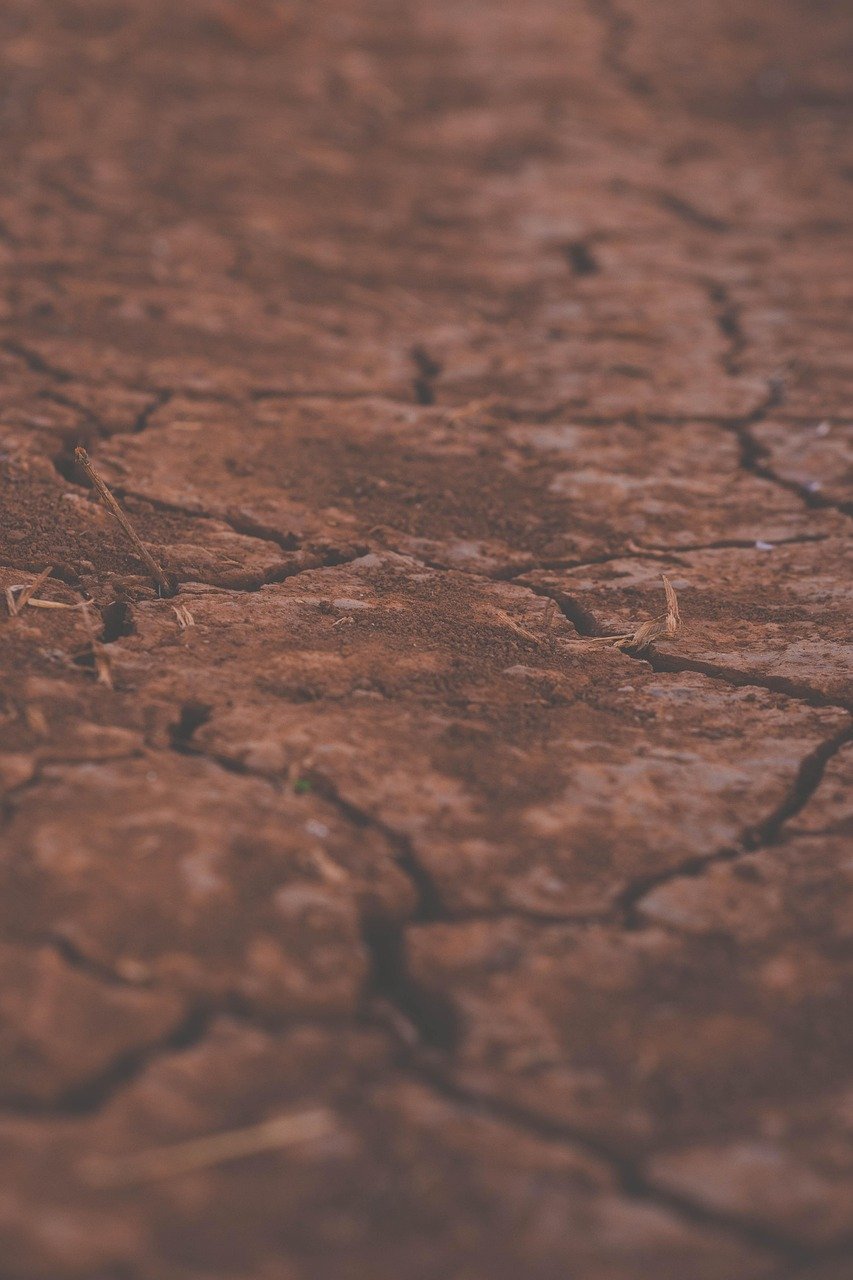
Jumping worms are spreading through U.S. gardens this fall, turning soil crumbly and lifeless. See the warning signs and what actually helps stop them.
-
Why Bradford Pear Bans Are Sweeping U.S. Yards in 2026
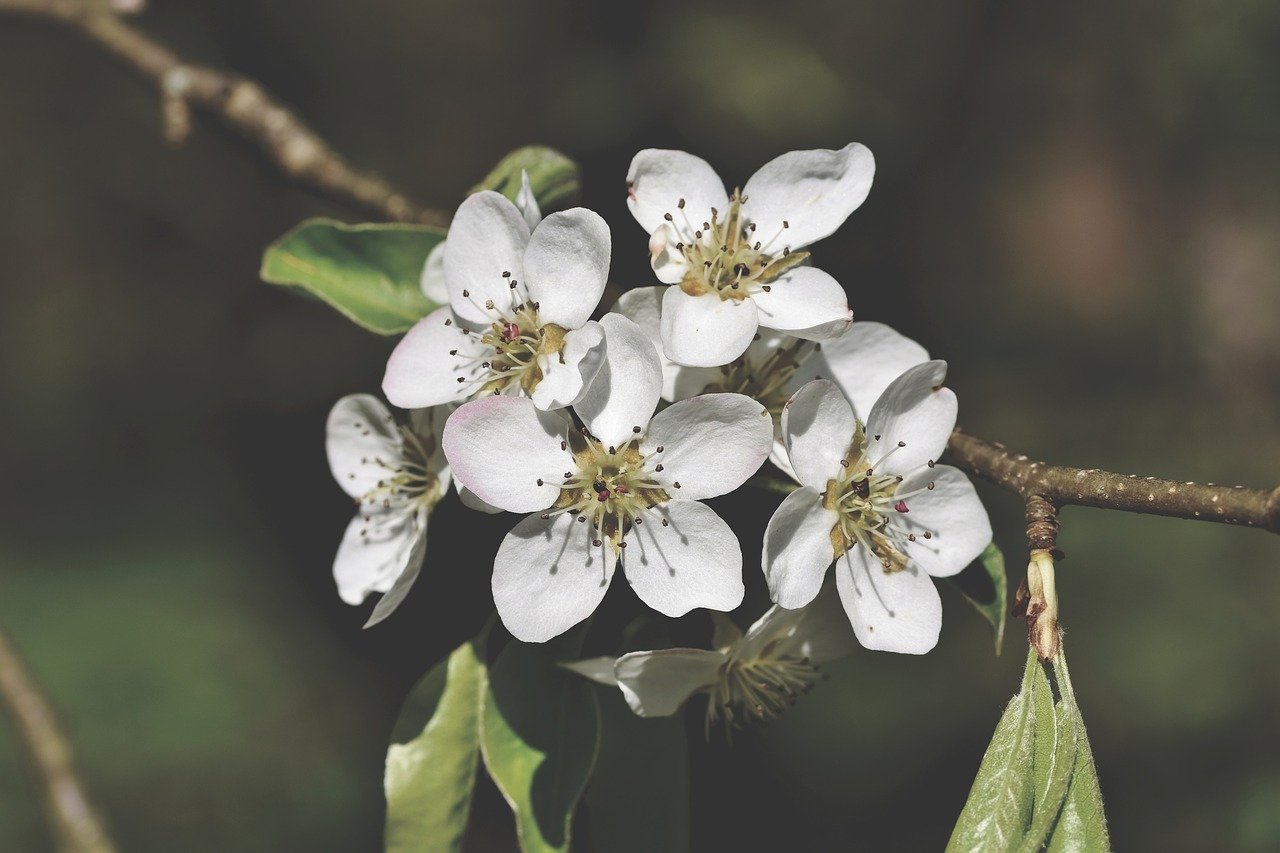
Bradford pear bans are spreading fast in 2026, as more states outlaw the invasive Callery pear and pay homeowners to swap it for a free native tree instead.
-
Yellow-Legged Hornets Are Spreading Across U.S. Gardens
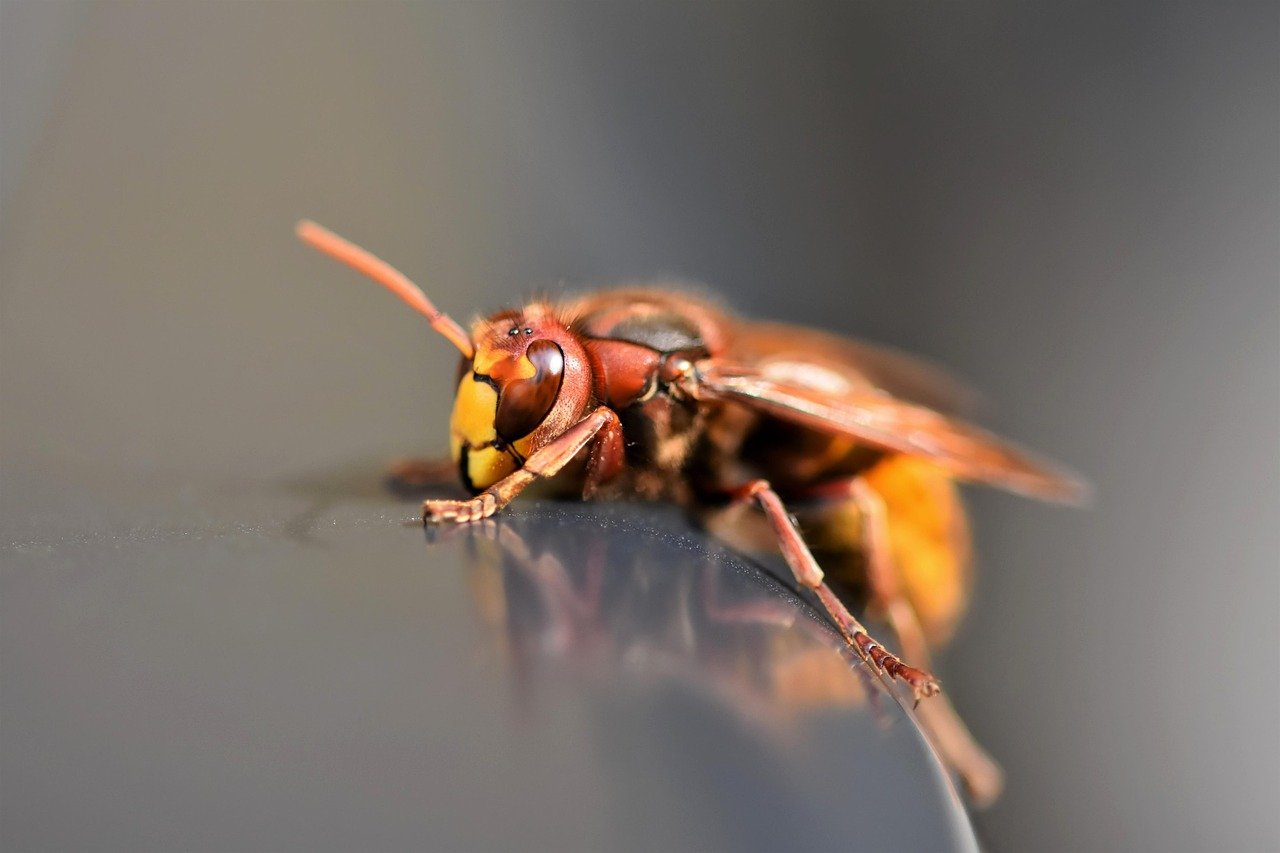
Yellow-legged hornets, an invasive bee killer, have spread from Georgia into the Carolinas and Florida in 2026 — here’s how gardeners can spot and report them.
-
Leave the Leaves: Why Experts Say Skip Fall Yard Cleanup
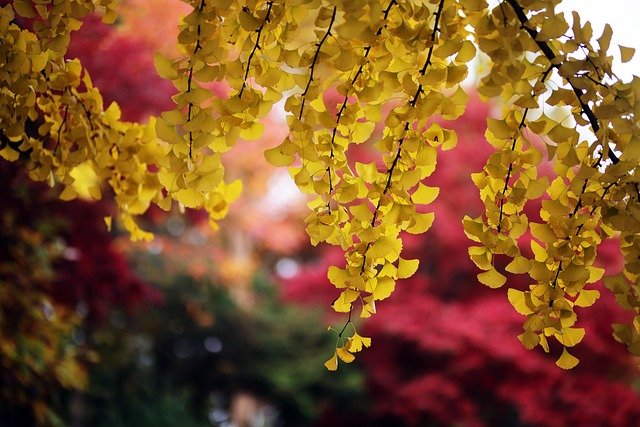
This fall’s top garden trend isn’t a plant, it’s doing less. Learn why experts say skipping the rake and leaving leaves helps pollinators survive winter.
-
Lawn Alternatives 2026: Why Homeowners Are Ditching Grass
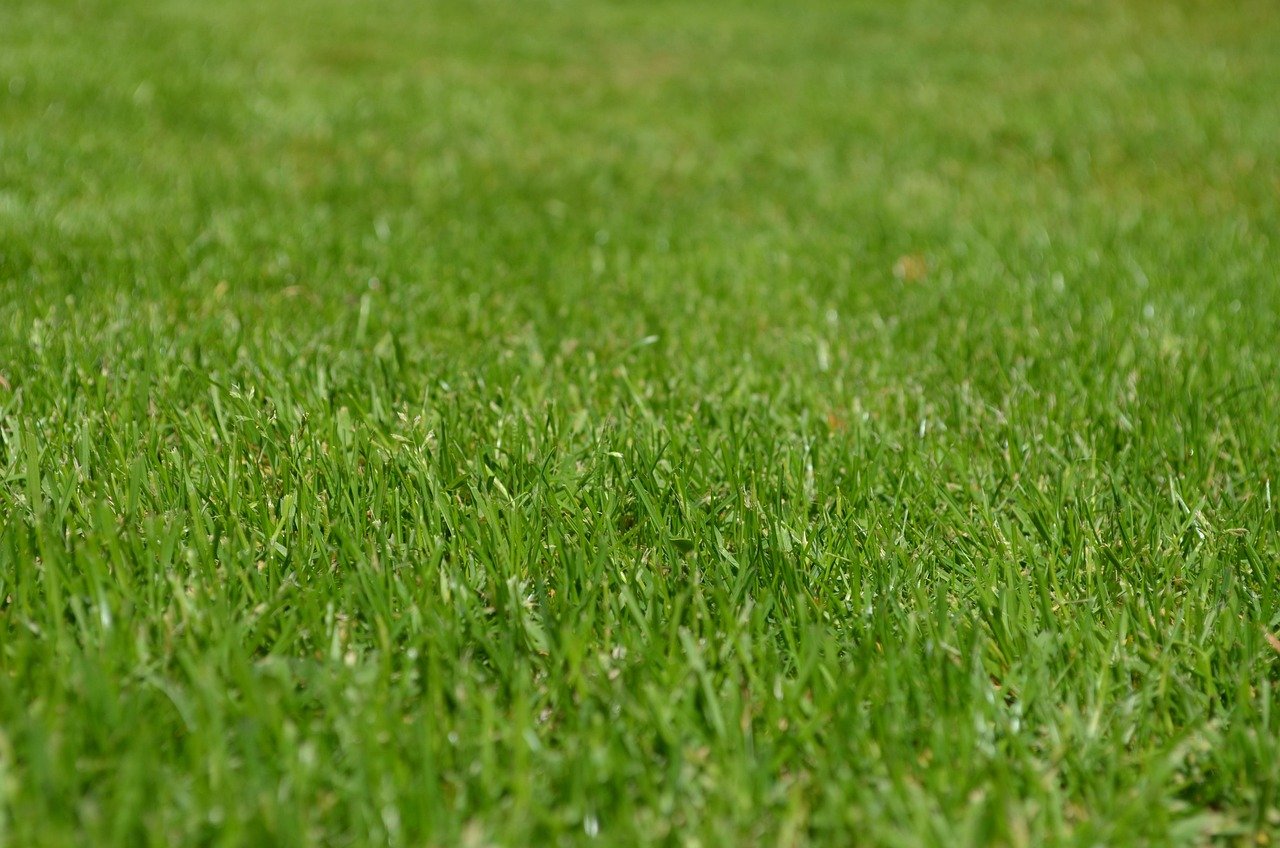
Lawn alternatives are trending in 2026 as homeowners swap grass lawns for clover, creeping thyme, and native ground covers that save water and cut mowing.
-
Garden Rooms Are the Biggest Backyard Trend of 2026

Garden rooms are 2026’s top landscaping trend, turning open, empty backyards into cozy defined spaces for dining, lounging, and quiet outdoor retreat.
-
Leatherjackets Are Hatching in Lawns This September
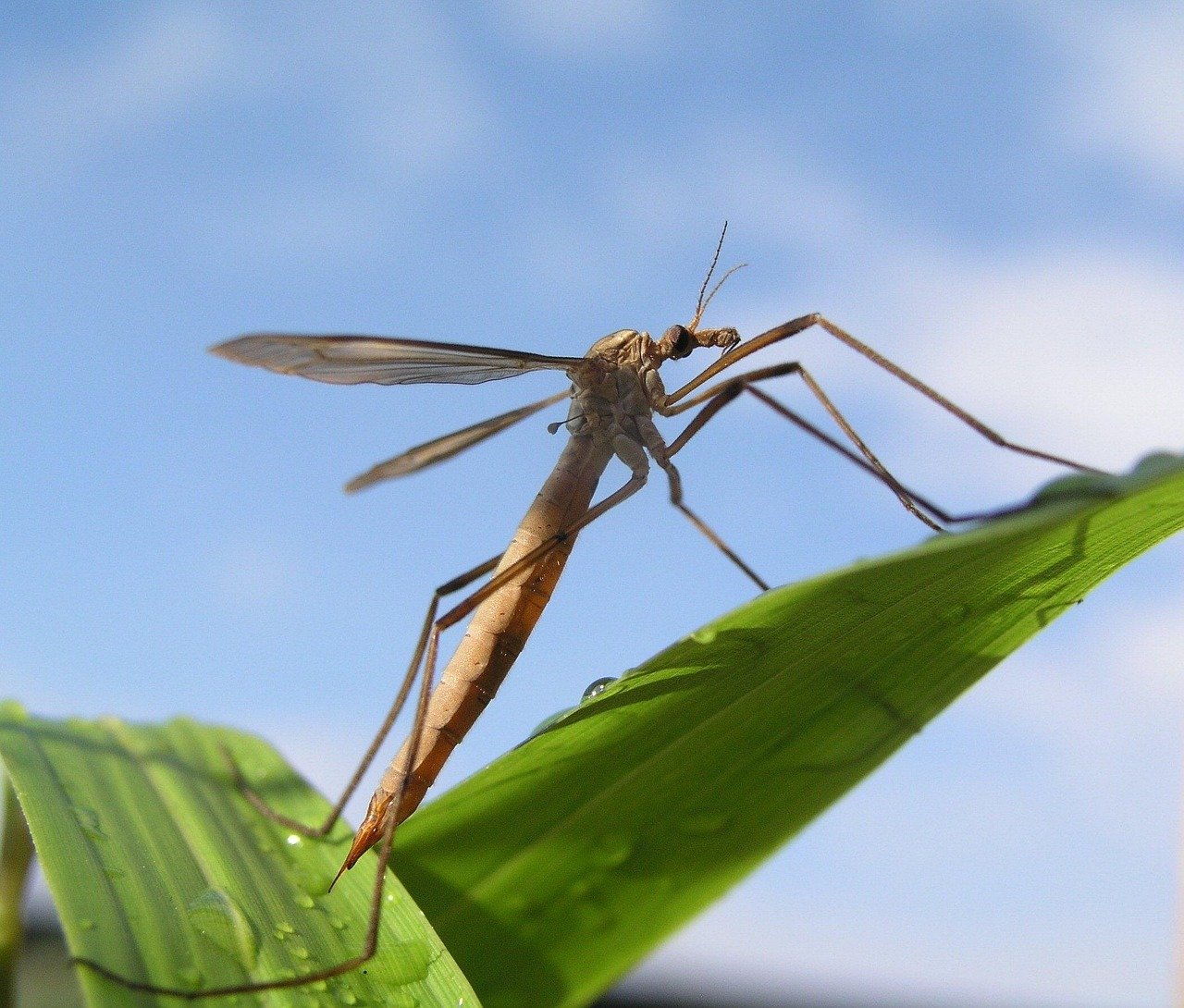
Leatherjackets, the larvae of crane flies, are hatching in U.S. lawns this September — here’s how to spot them before they damage grass roots by spring.
-
Gas Leaf Blower Bans Are Sweeping the U.S. in 2026
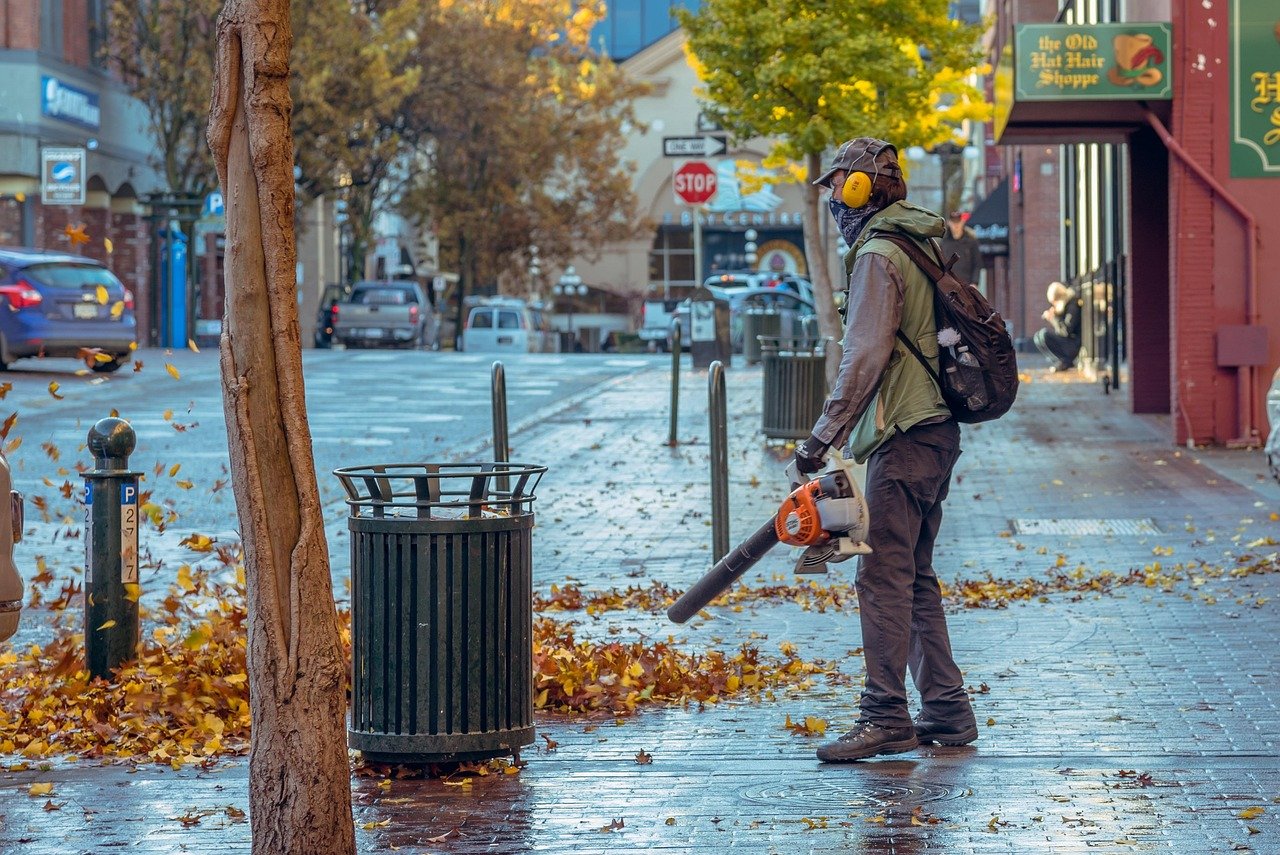
Gas leaf blower bans are spreading to new U.S. cities in 2026, driving a fast switch to battery power. Here’s what’s changing and what to buy instead.
-
Garden Lighting Trends for 2026: Warmer, Softer, Layered Yards
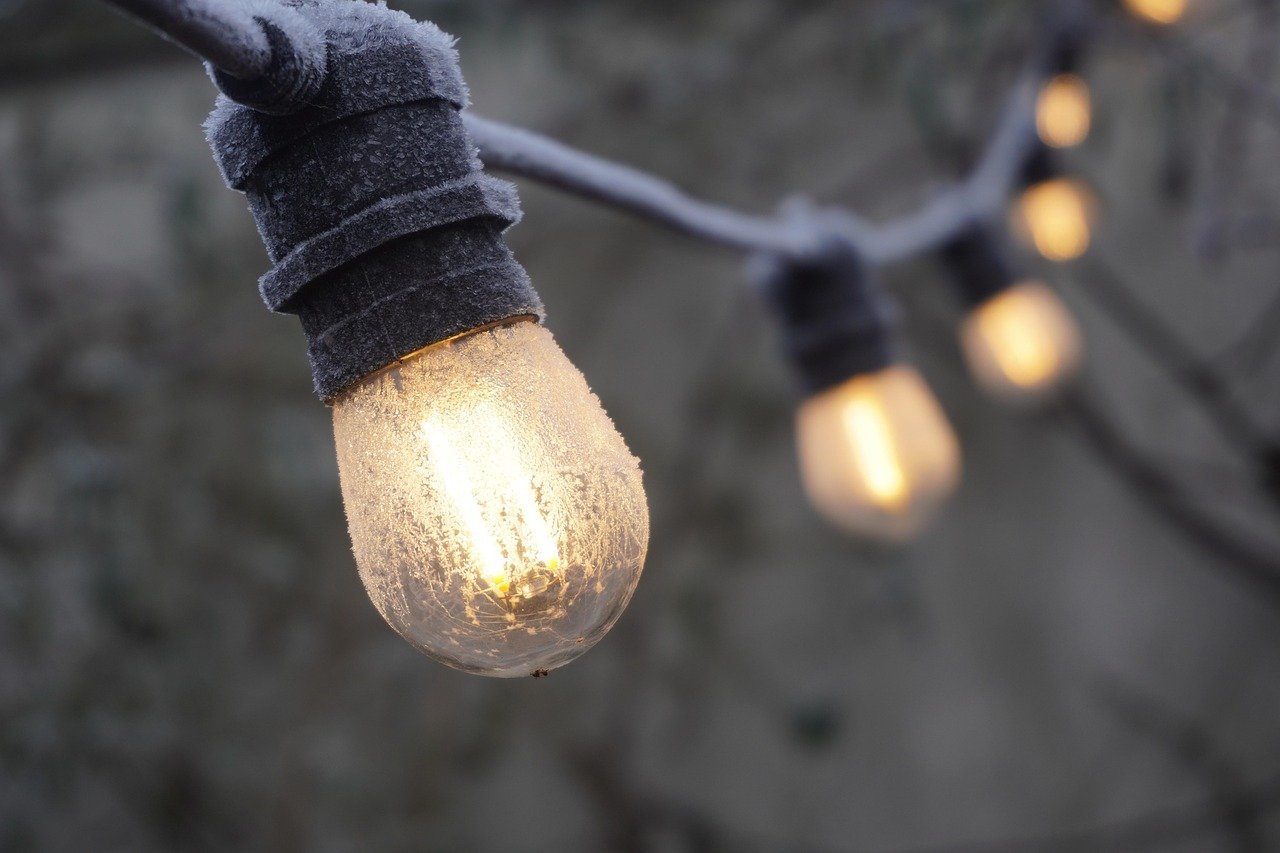
Garden lighting is the breakout outdoor design trend for fall 2026, as designers ditch single harsh floodlights for warm, layered, nature-inspired fixtures.
-
Spotted Lanternflies Are Laying Eggs Now: A Gardener’s Guide
Spotted lanternfly egg-laying season has begun across the U.S. Here’s how to spot, scrape, and stop the invasive pest before it spreads further this fall.